Author: Uspecto

  • Ireland in the Time of Recession 2008-2013by Tom Szustek

    Ireland in the Time of Recession 2008-2013

    by Tom Szustek

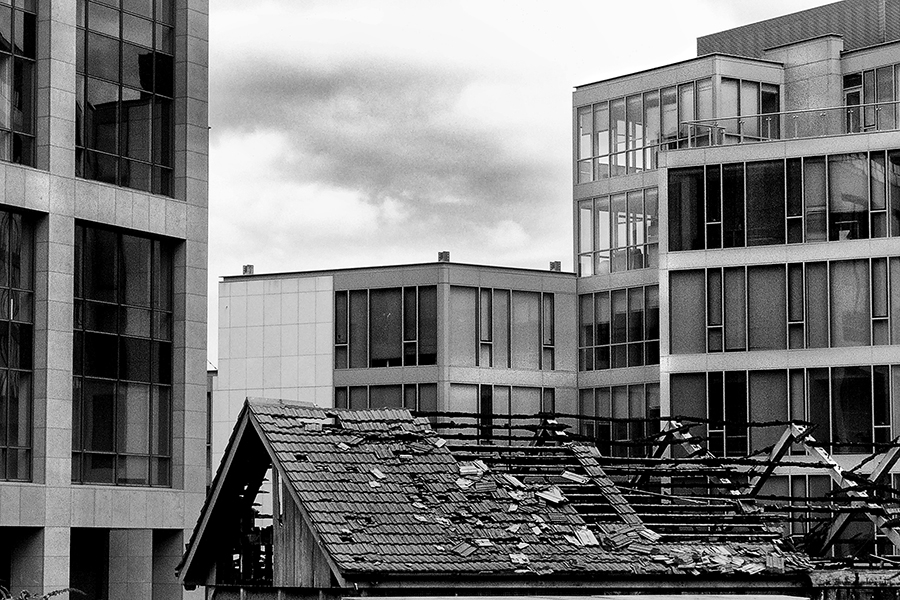
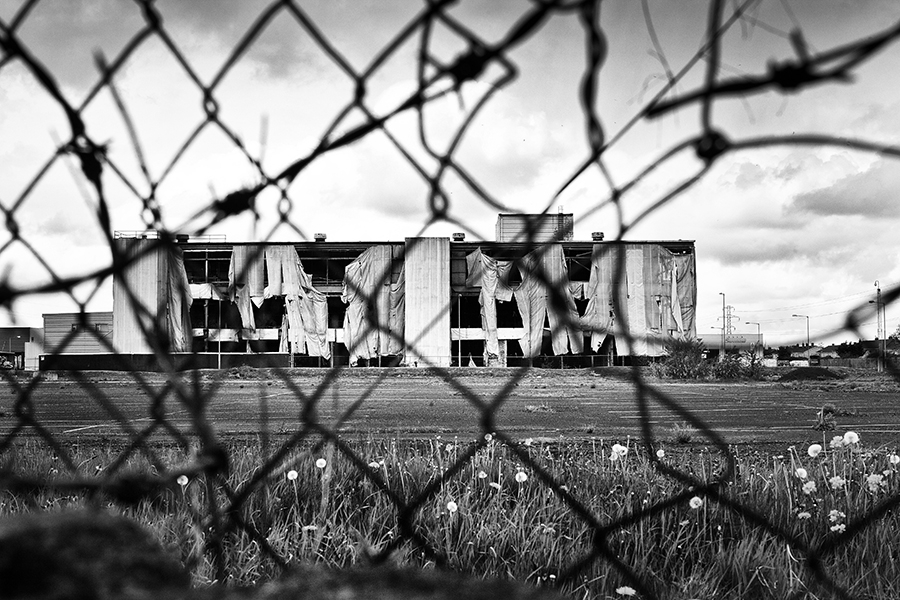
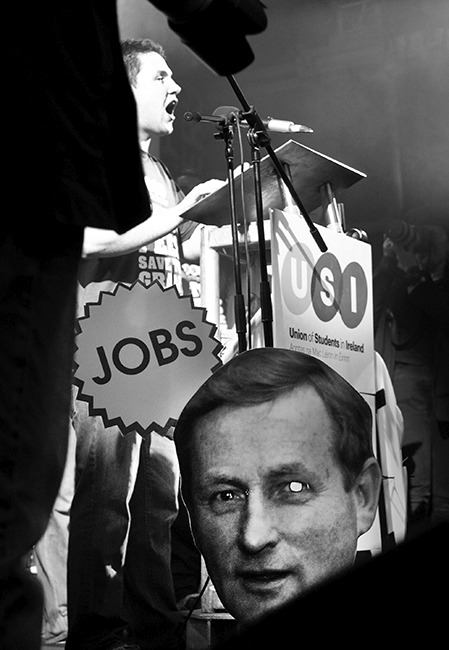
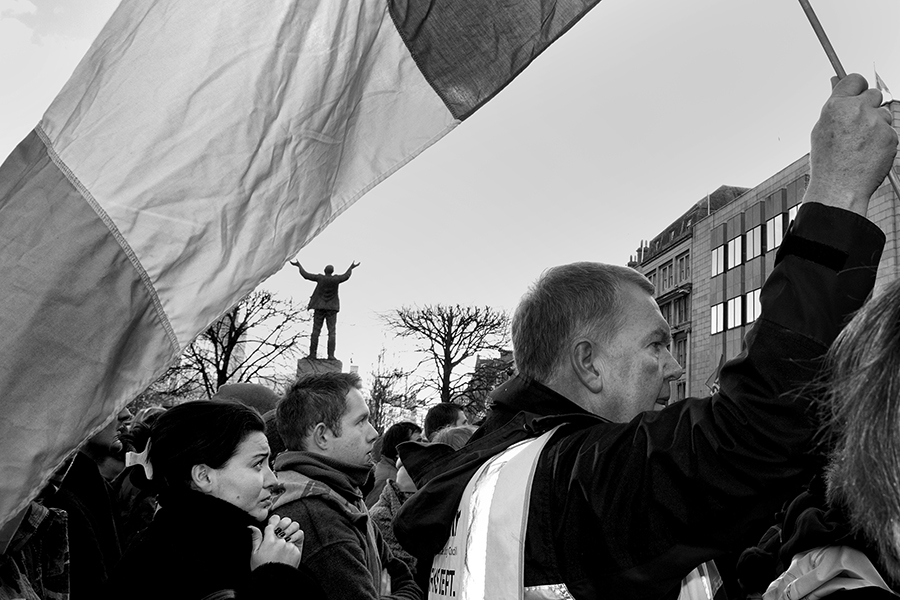
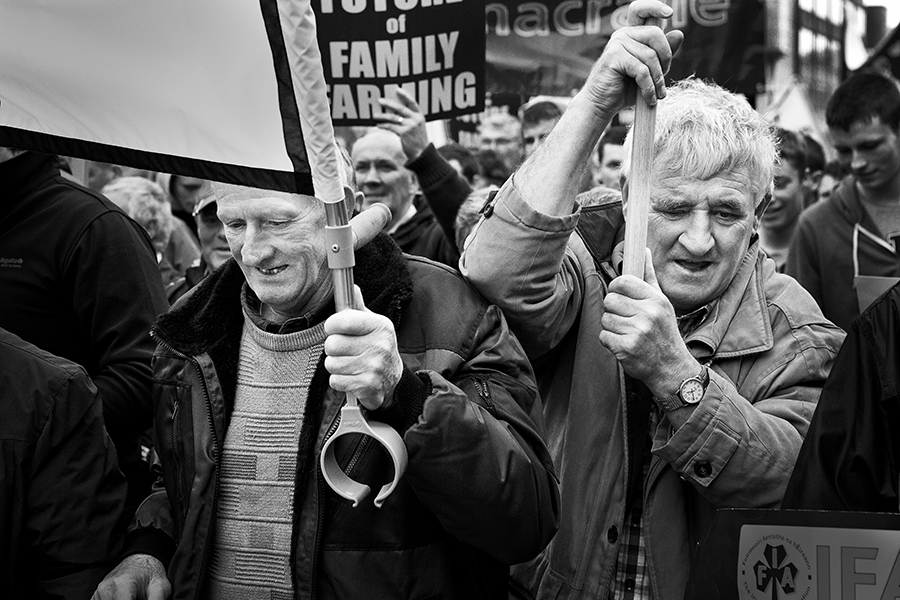
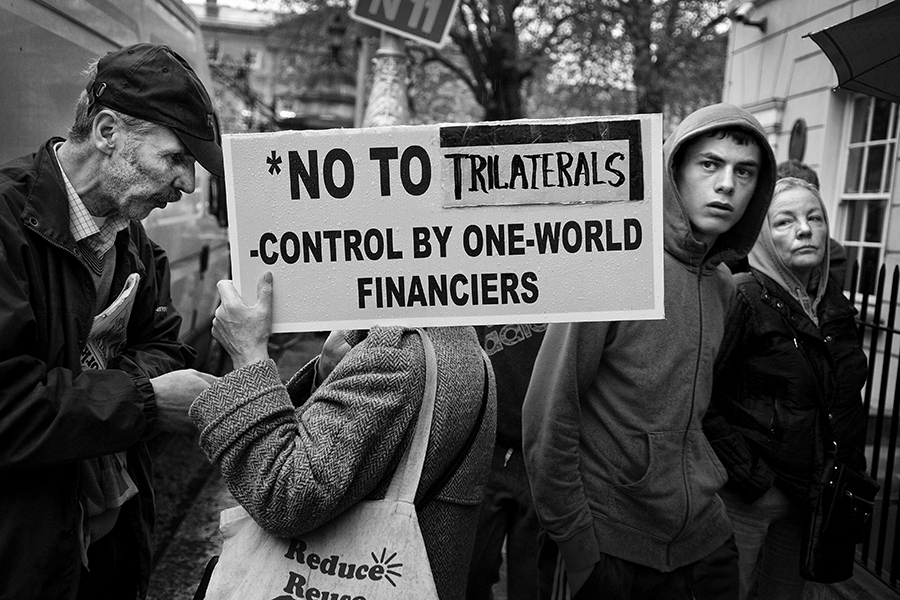
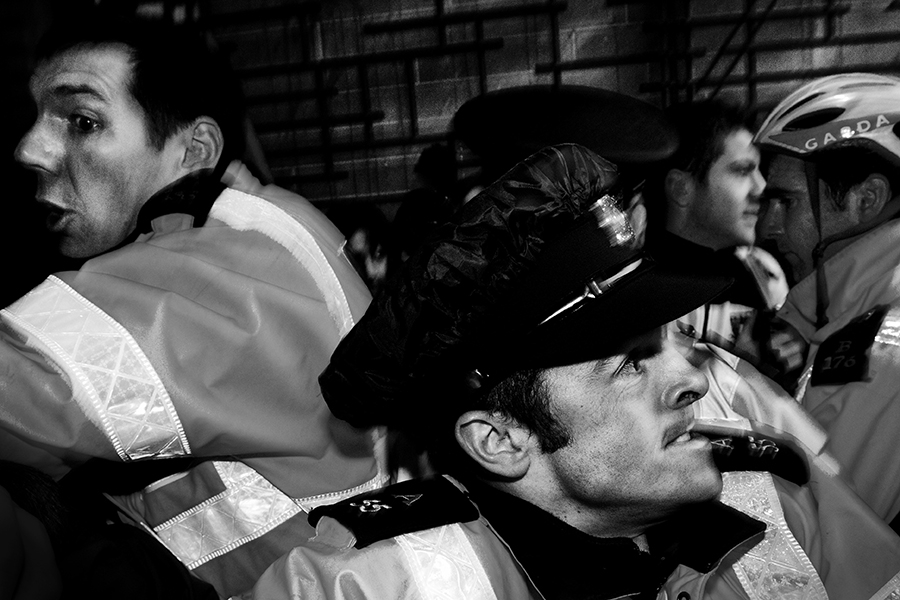
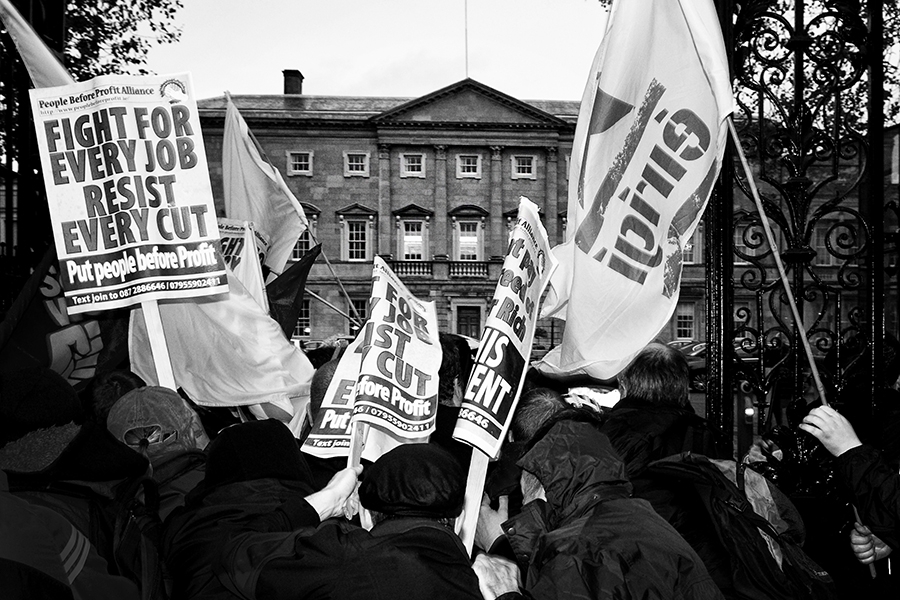
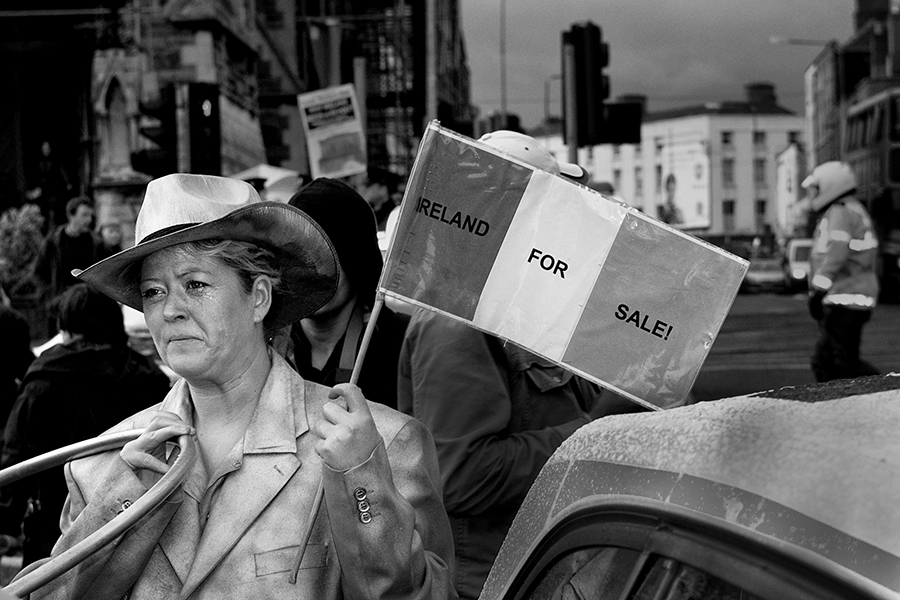
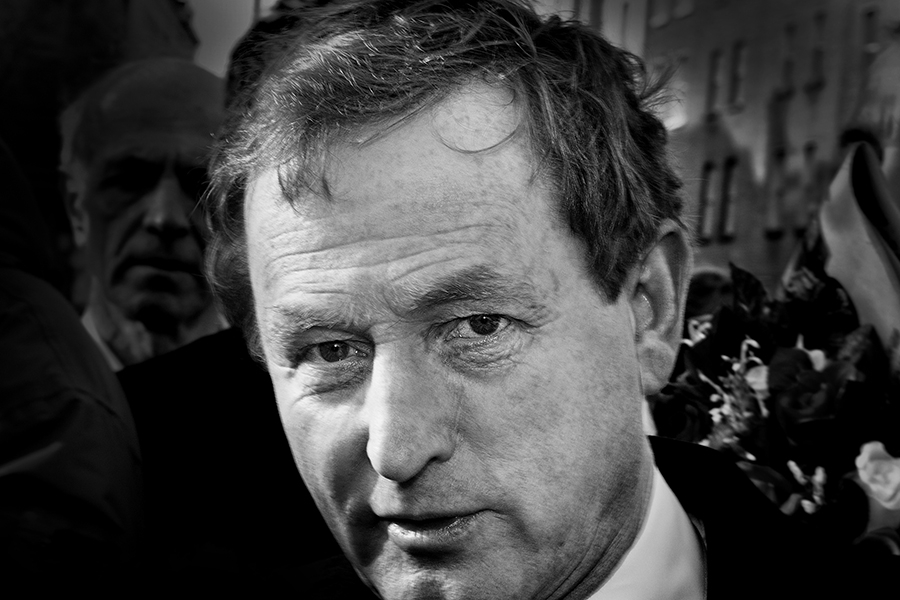
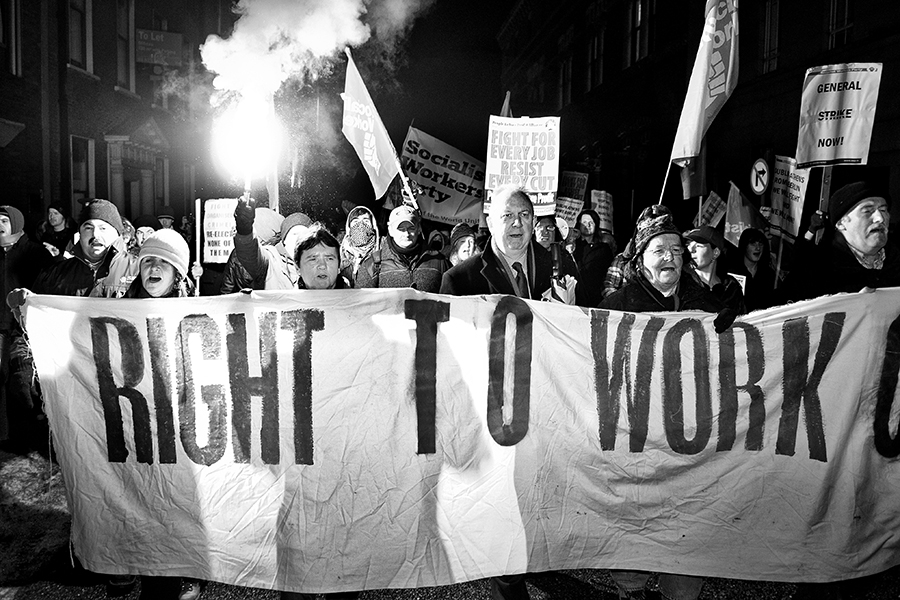
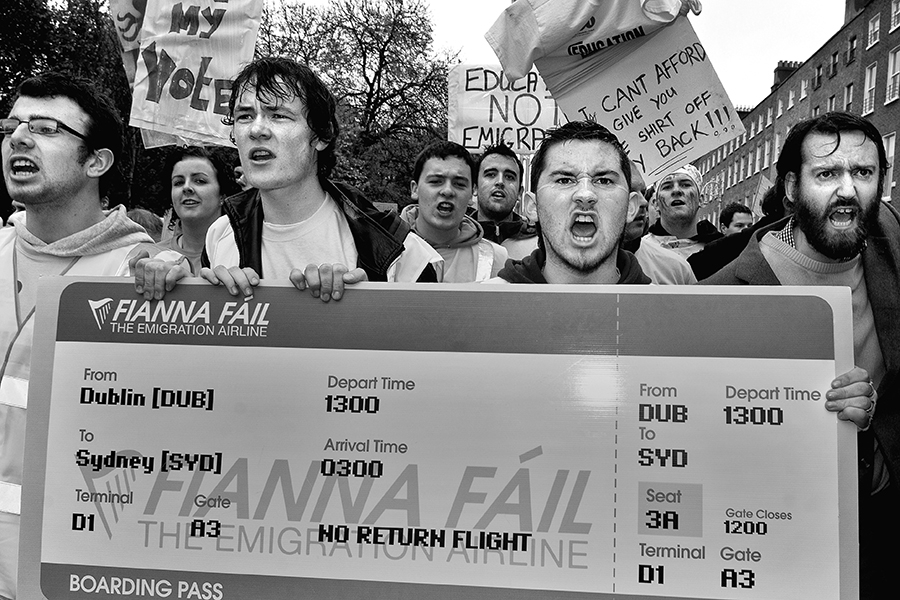
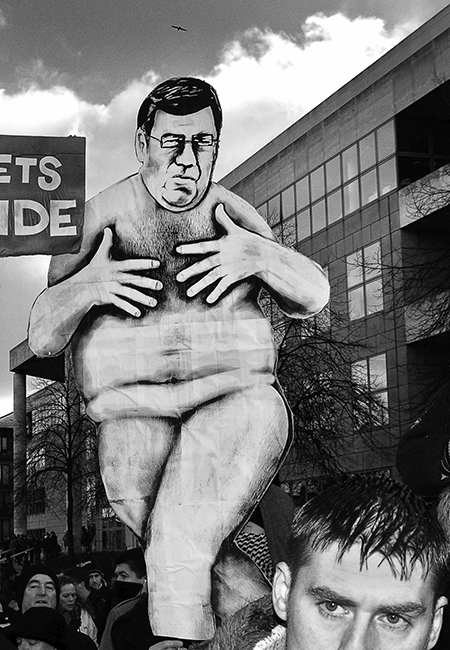
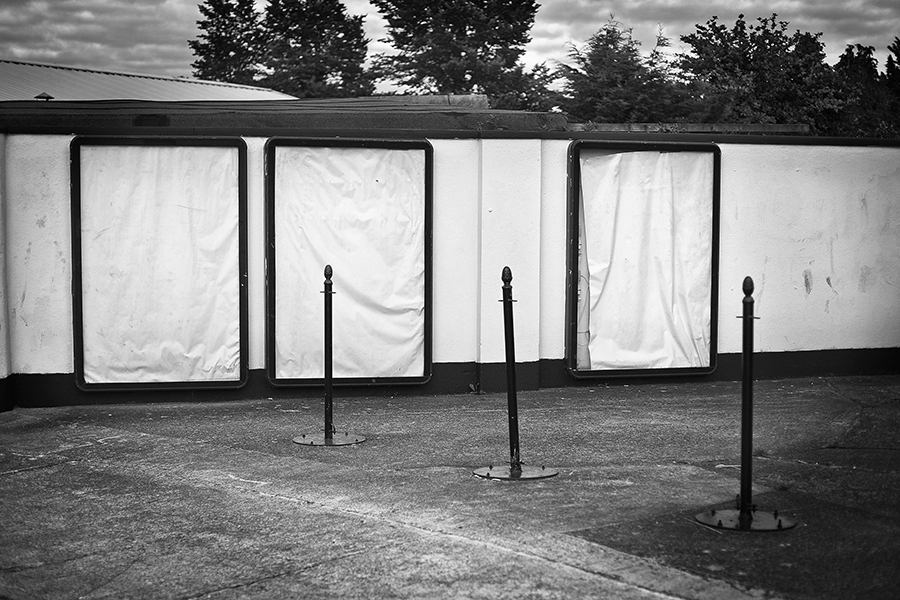
    The recession had a great impact on the economic, political and social life of Ireland. Unemployment, financial instability, government spending cuts, emigration are among of many issues which dominate media and private talks.

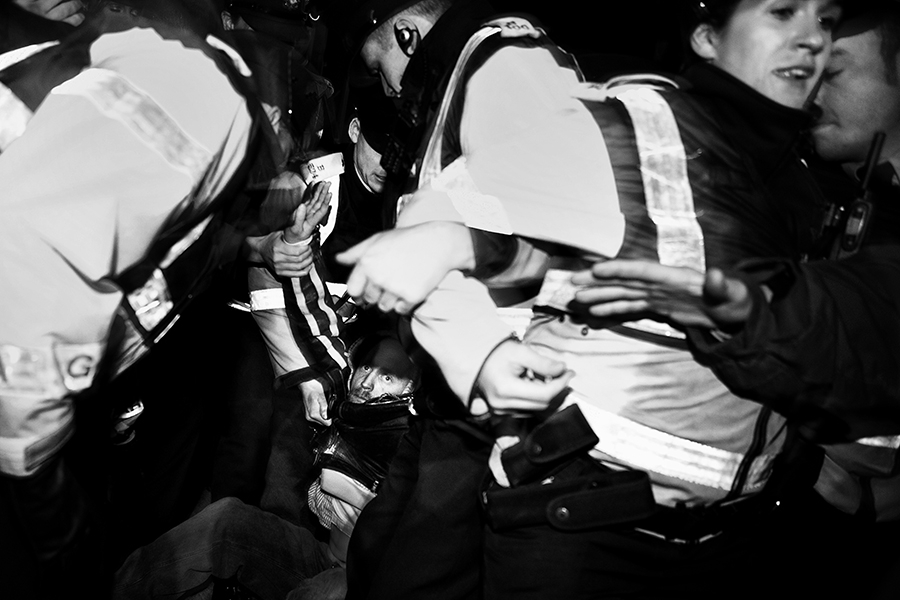
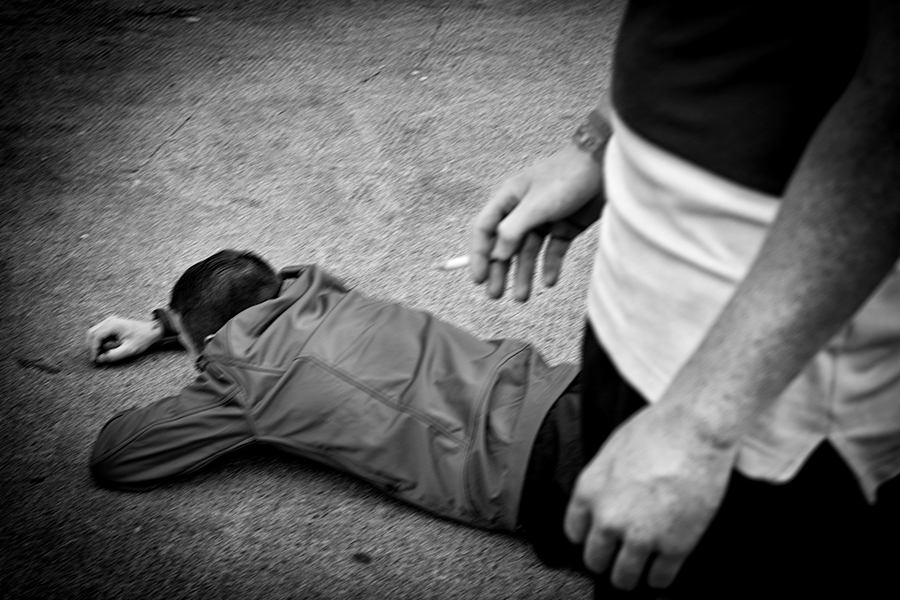
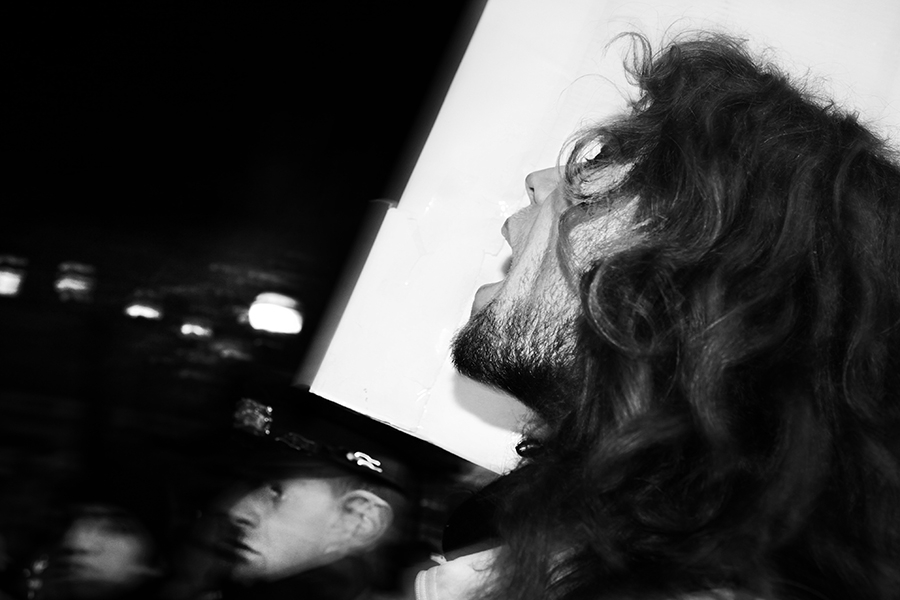
    A number of demonstrations rolled across Dublin streets in recent years. A few of them turned out to be quite violent. The protesters and members of Gardai (Irish police) were injured during scuffles.

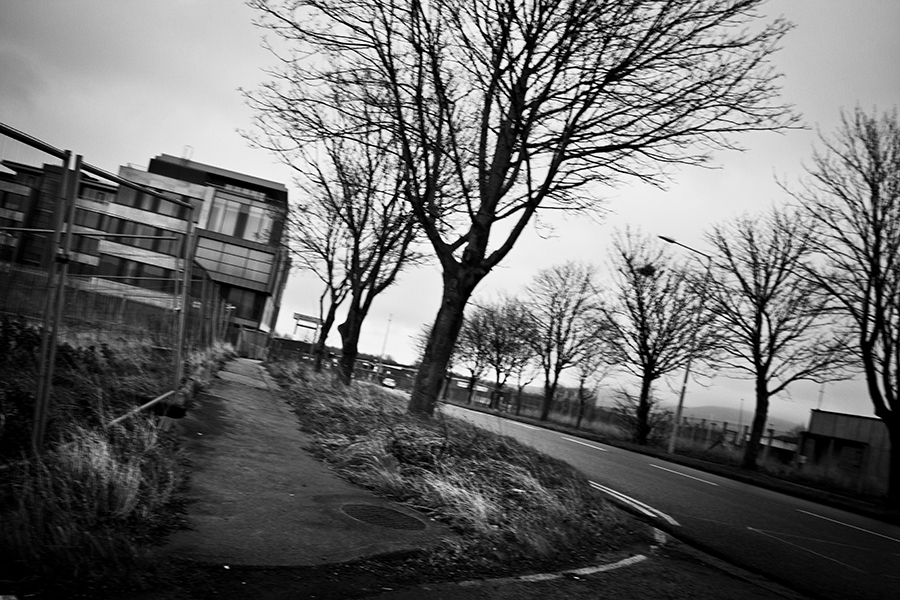
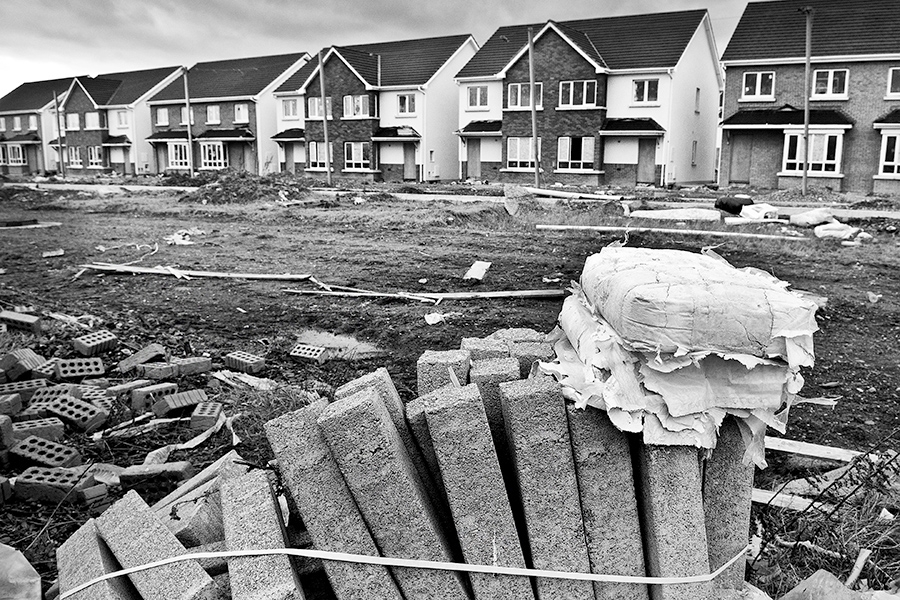
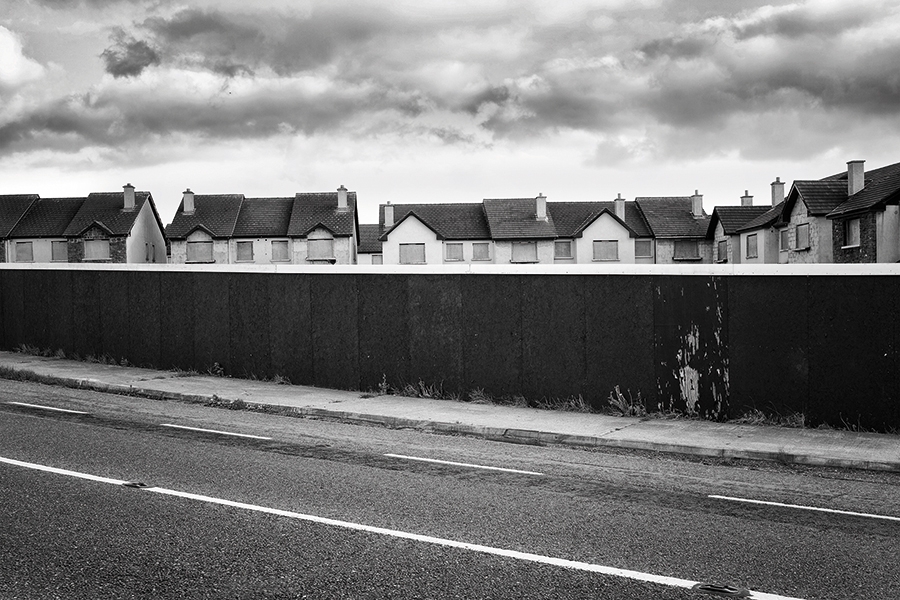
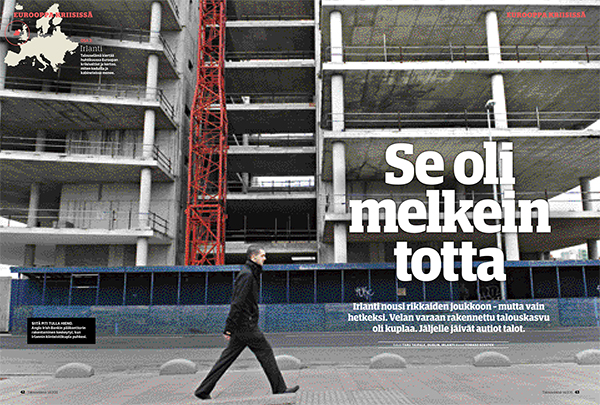
    Thousands of new build homes in the Republic remain empty (ghost estates) – nobody wants to buy them, even after price reductions. Thousands of companies have gone out of business leaving their offices in city centres and units in industrial estates empty.

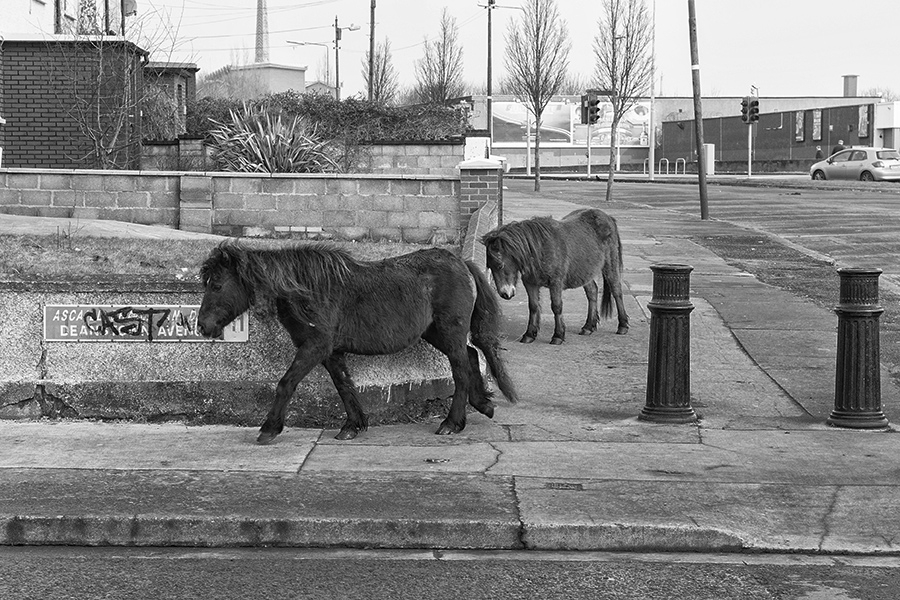
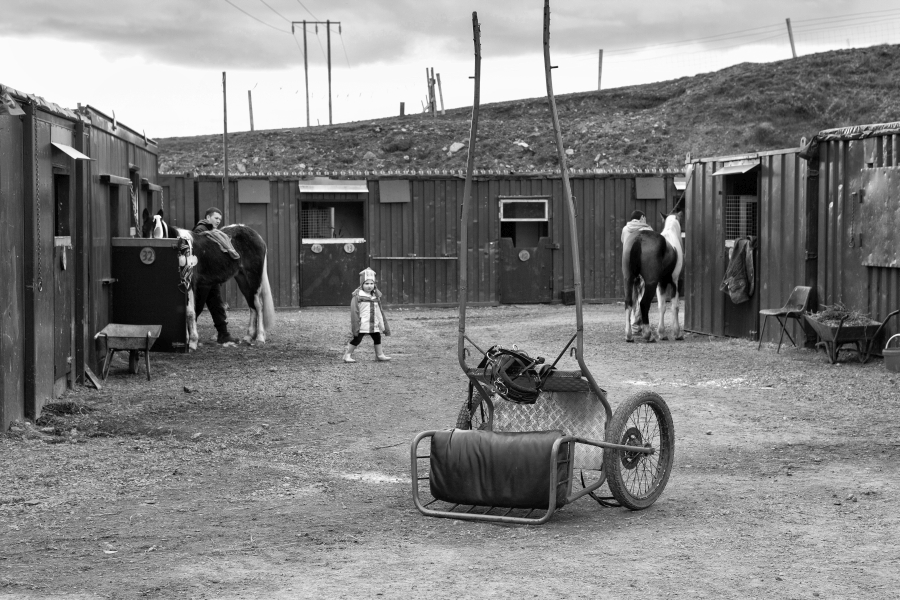
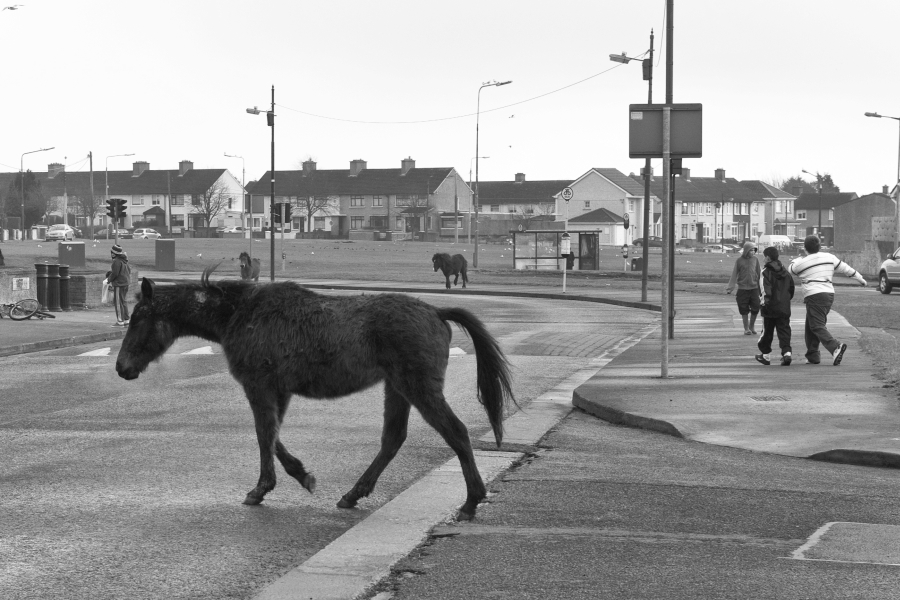
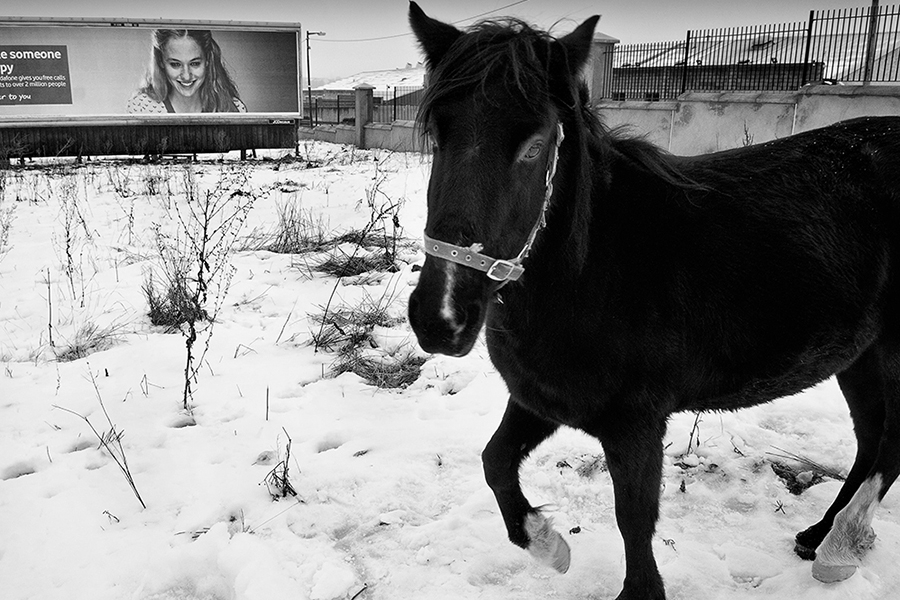
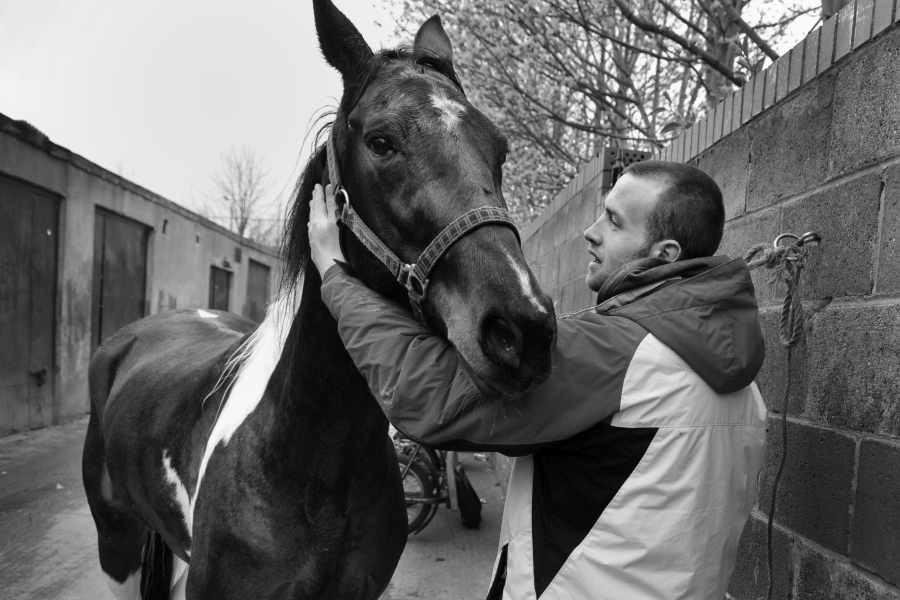
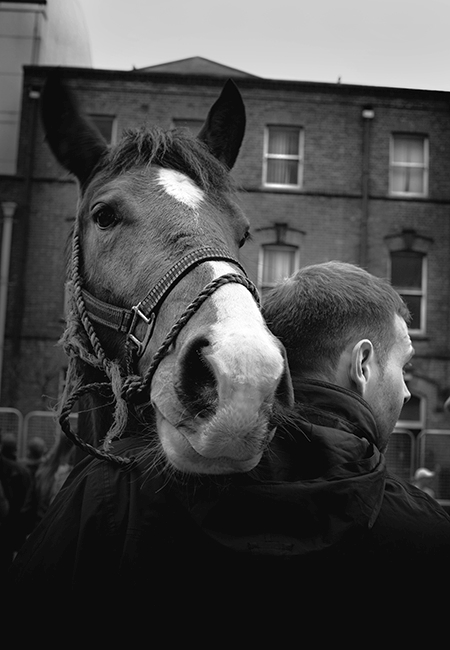
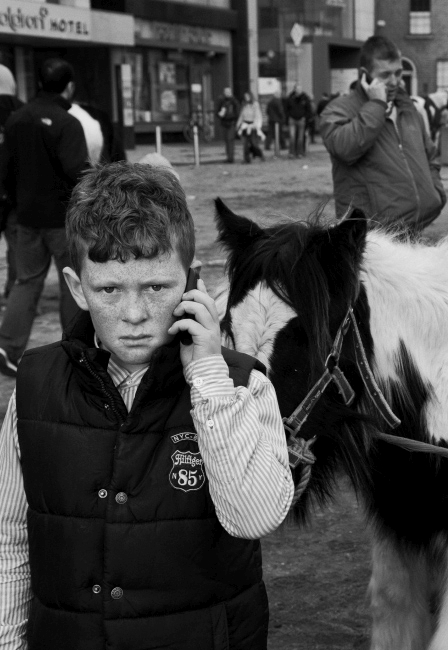
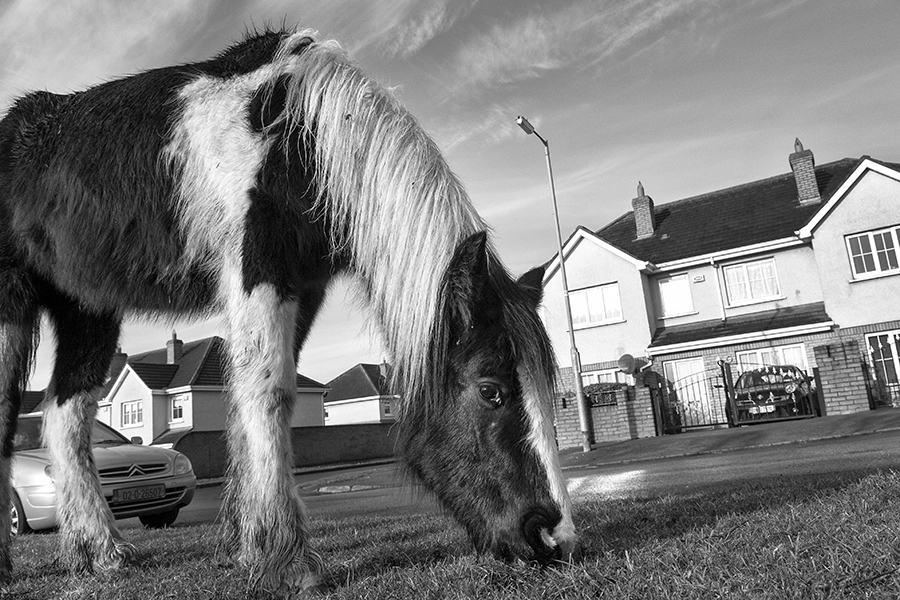
    The recession took also its toll on thousands of ponies and horses which have been left to survive on their own after being abandoned by their owners who could not afford to feed them any longer.

    This photo story was published as a photo book by Uspecto Images in 2014.

    “Visual Notes from the Recession Time. Ireland 2008-2013” ISBN: 978-0-993074-50-9 available at: https://www.tomszustek.com/section784495.html
  • Untitled post 1368

    by  Tomasz Szustek

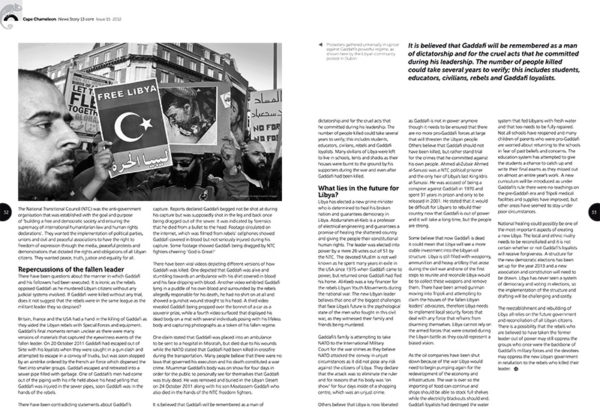
    Published in Cape Chameleon – Magazine, South Africa

    February 2012

  • Catch a Hareby Tom Bereska

    Catch a Hare

    by Tom Bereska

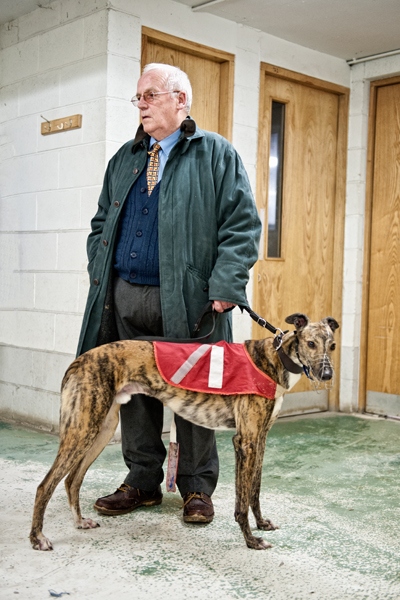
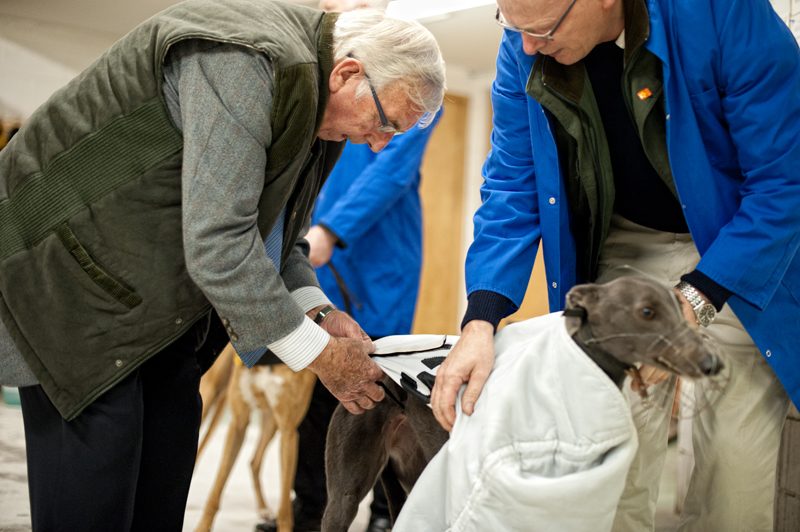
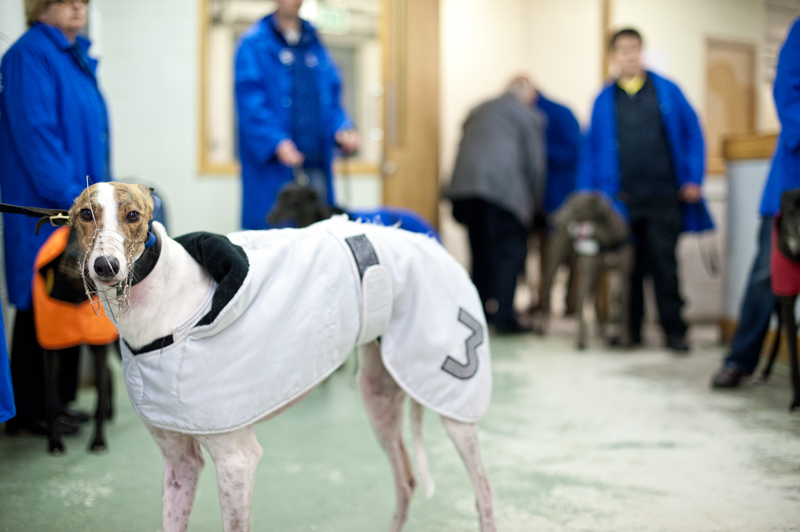
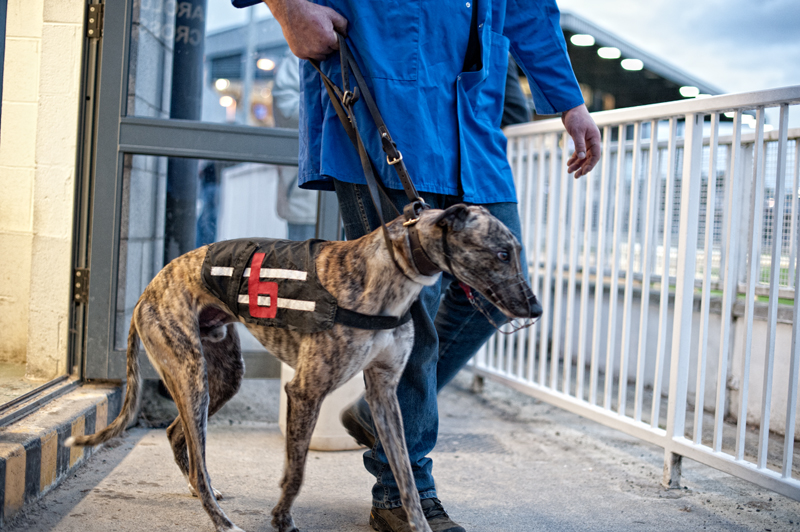
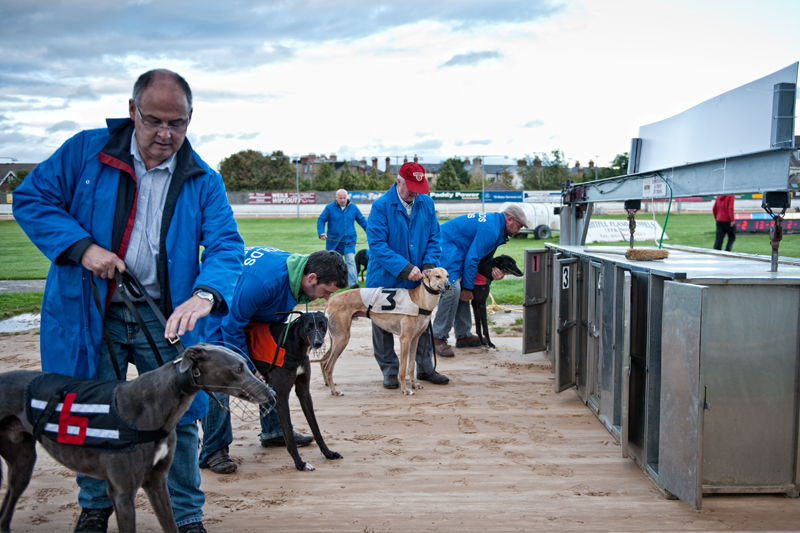
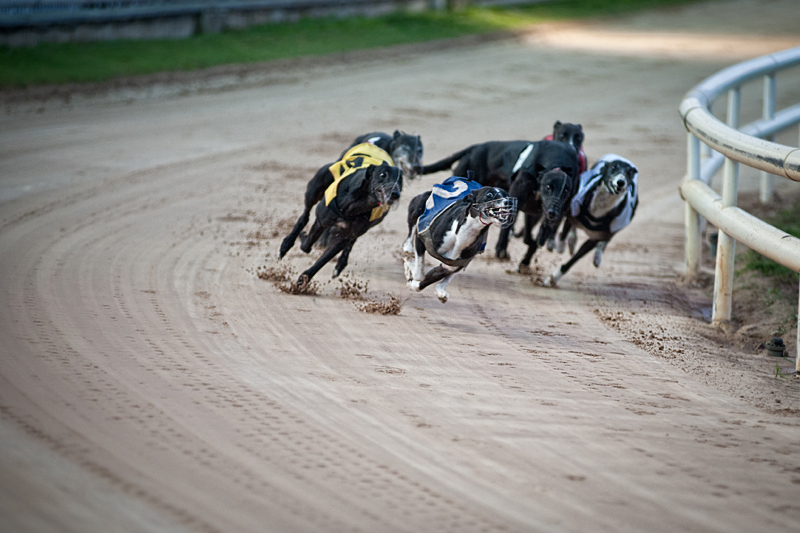
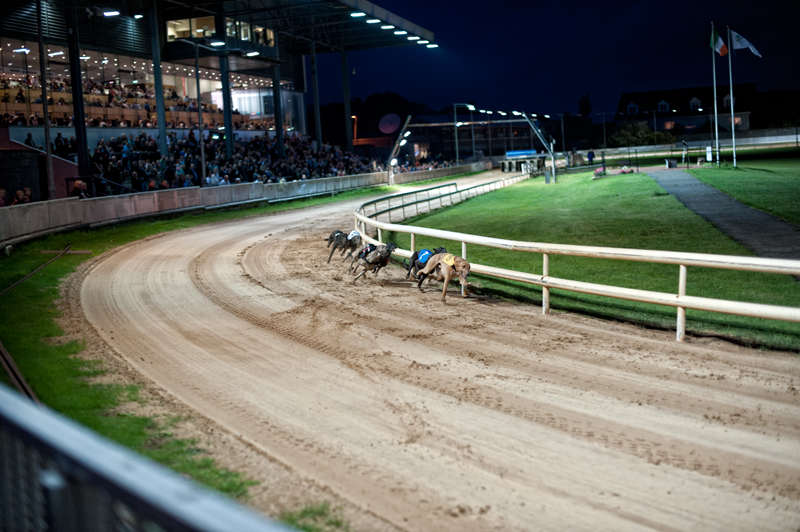
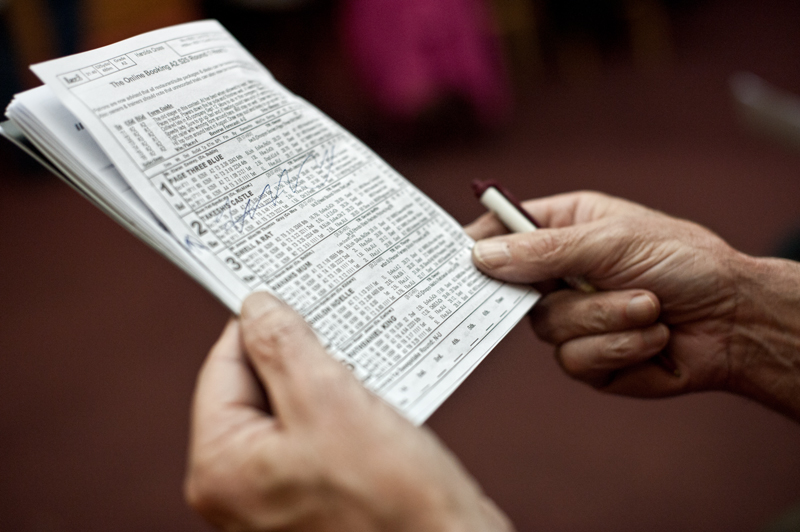
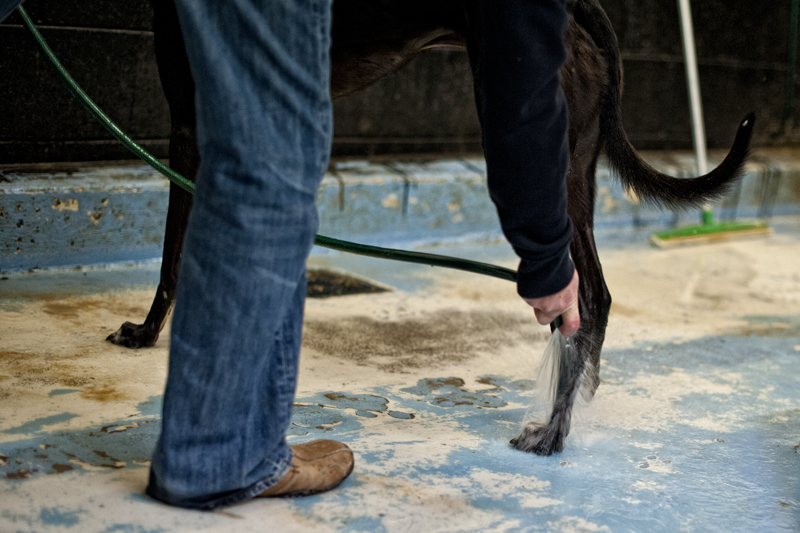
    Greyhound racing as a sport has its origins in the hunt. Irish hounds were reputedly known in ancient Rome and in Elizabethan England.

    The sport in its modern form came to Ireland in 1927, when electric hares were run in Belfast and Dublin. This development transformed greyhound racing from a popular rural pastime to a major urban attraction. By 1960 Ireland had 22 registered venues, four of which were in Northern Ireland.
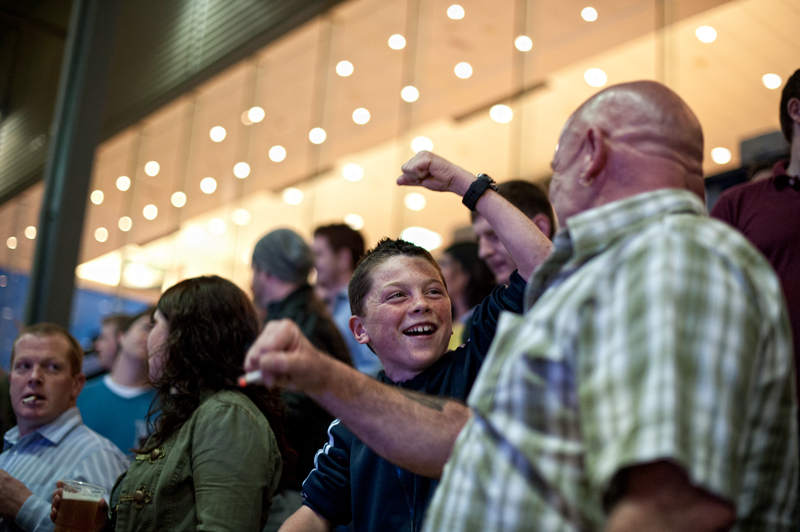
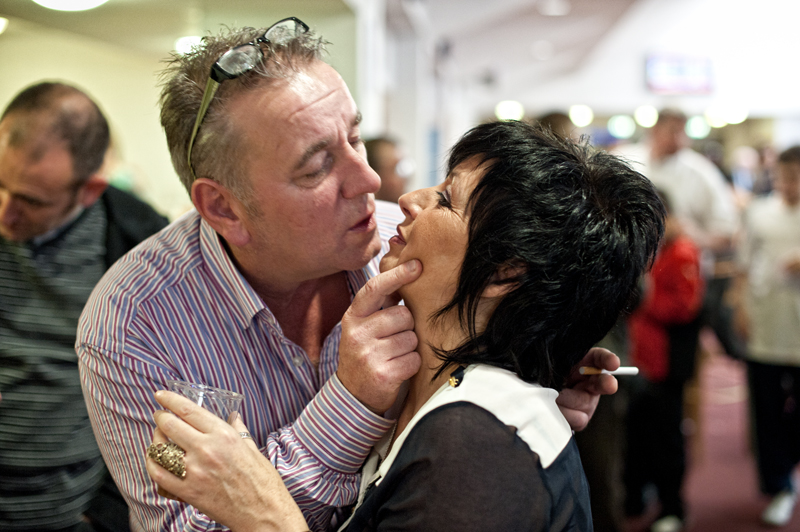
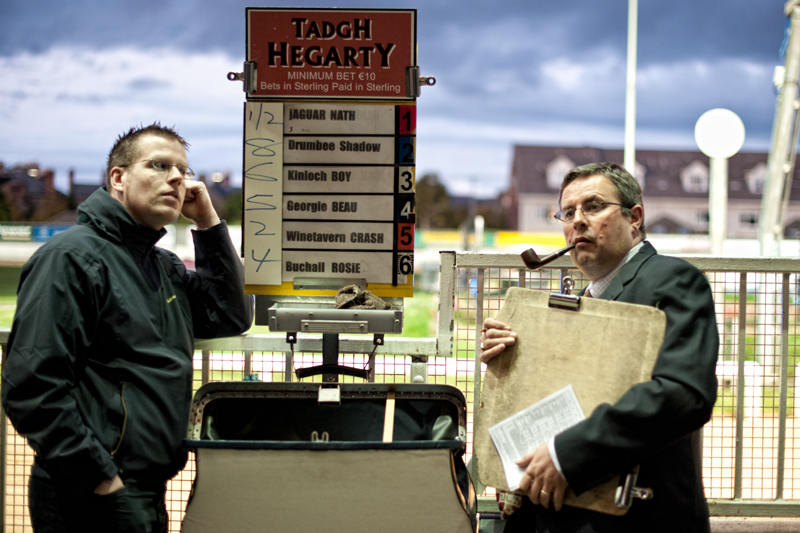
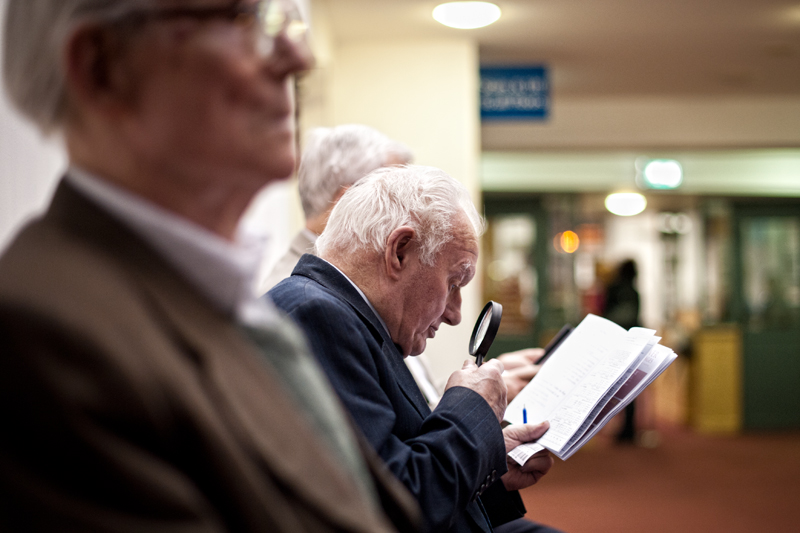
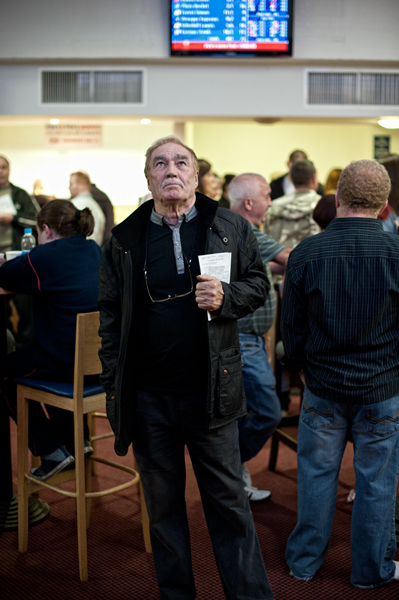
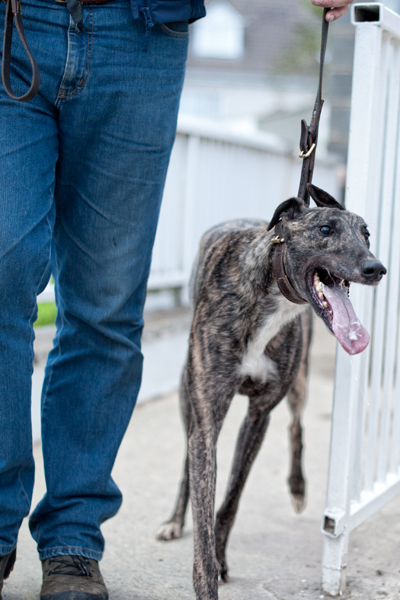
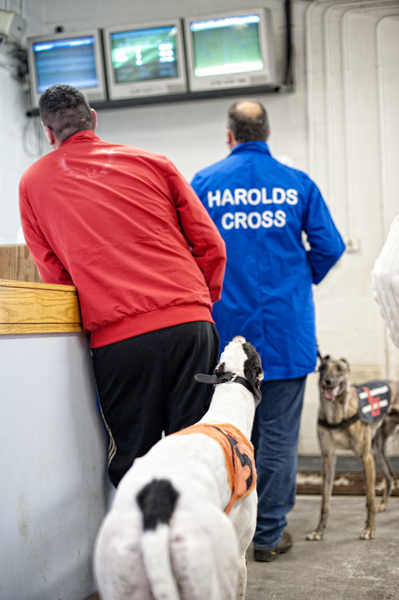
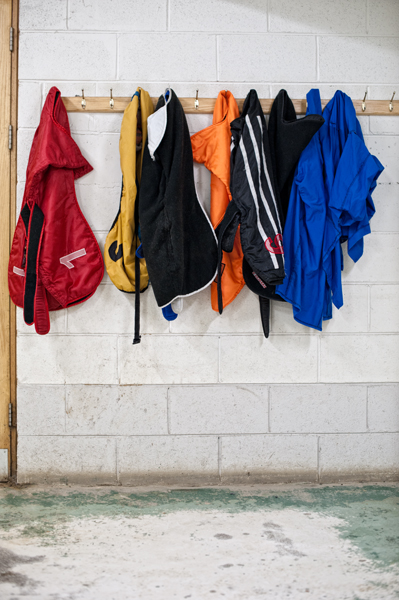
    Ireland is unique in the world of Greyhound Racing. Many of the owners and trainers have dogs as their family pets where individualized care is of extreme importance. Many people derive their income from this industry. Owners and trainers utilize it as a hobby. Bord na gCon (The Irish Greyhound Board) monitors throughout the country, ensuring the kennels and stadia maintain the highest standards in the care of the dogs.

    Photographer’s statement:
    I’m aware that this is a very controversial subject. I’ve seen many horrible stories about how people treat greyhounds when they are not good anymore on track. However, during that time when I was making this project, I saw only passion and love for those animals.
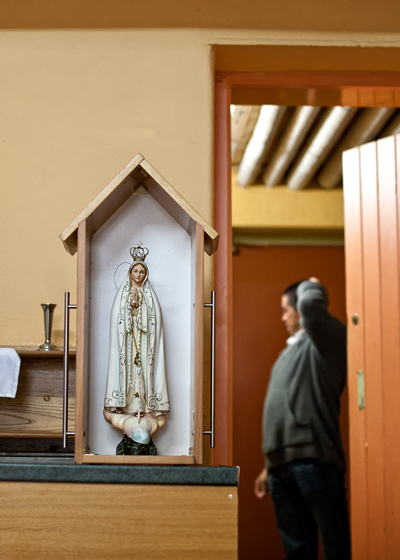
    I’m a dog lover and I truly believe there are still genuine owners and trainers for whom I dedicate this project.

  • Untitled post 3253

    by  Tomasz Bereska

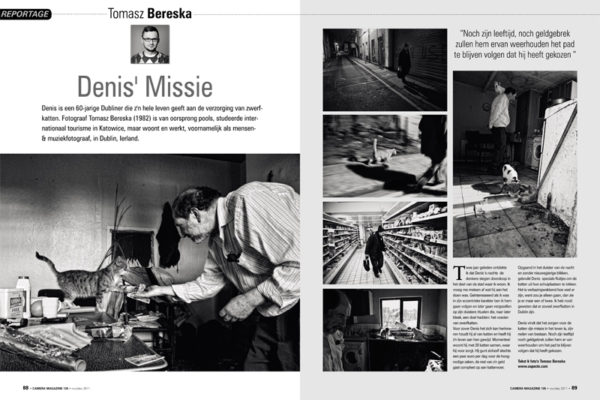
    Published in Camera Magazine-Holland

    October 2011

  • Urban Horsesby Tom Szustek

    Urban Horses

    by Tom Szustek

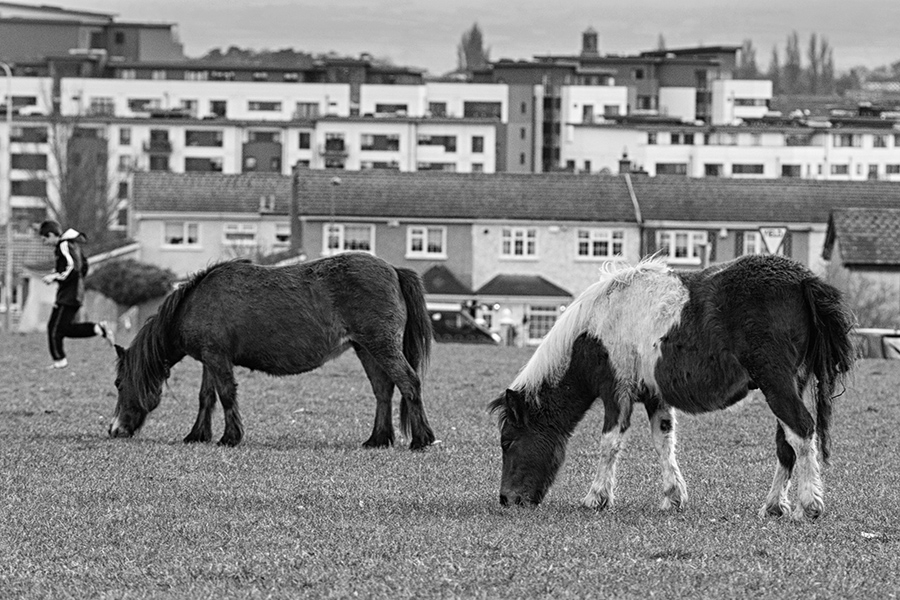
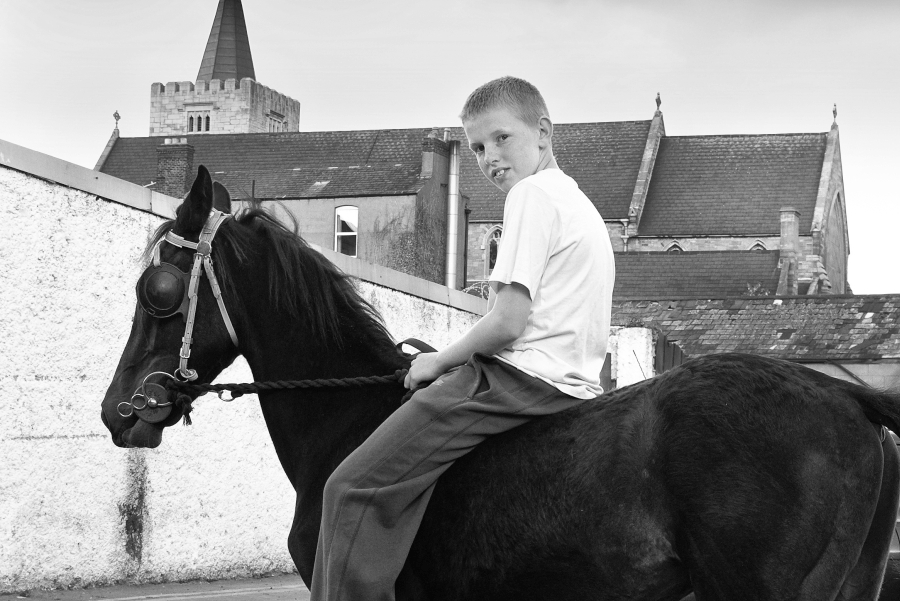
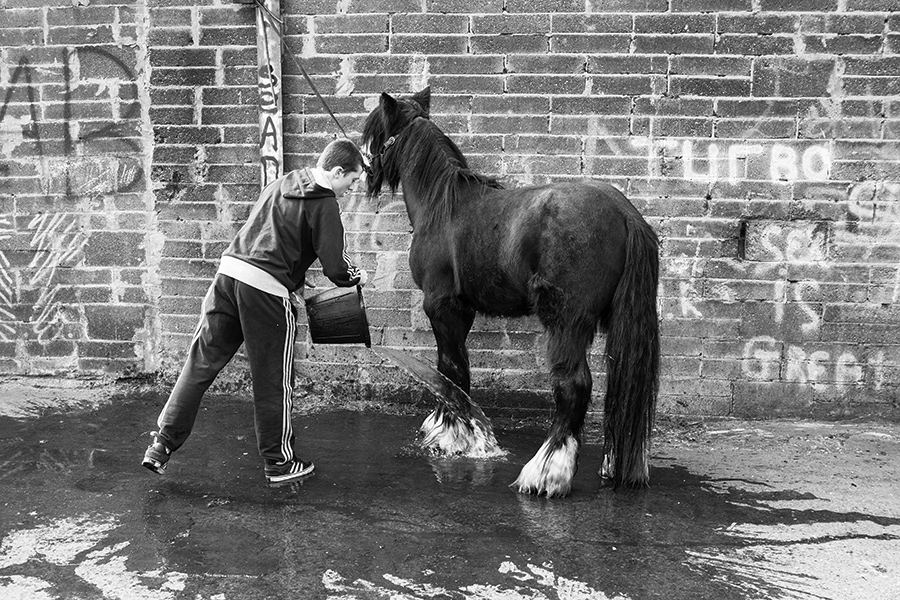
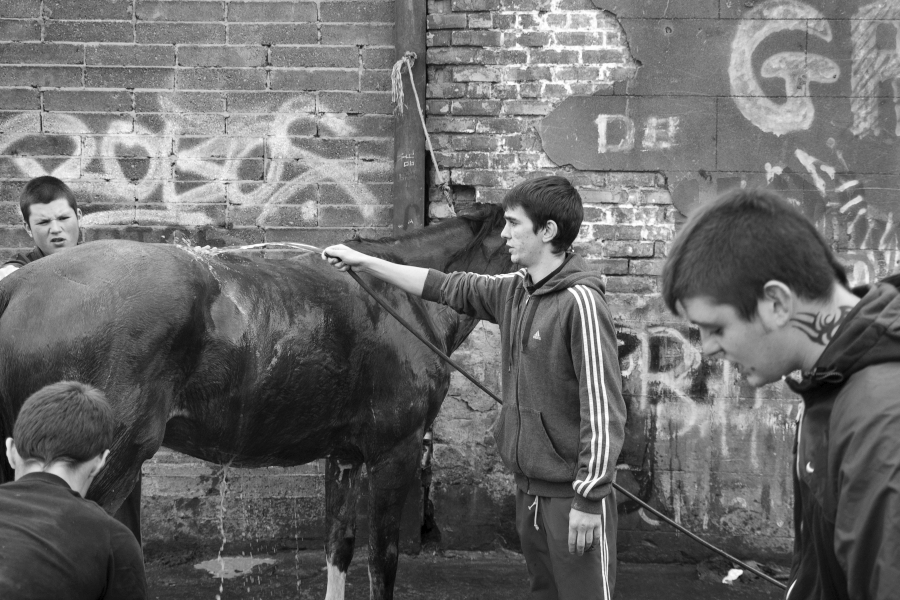
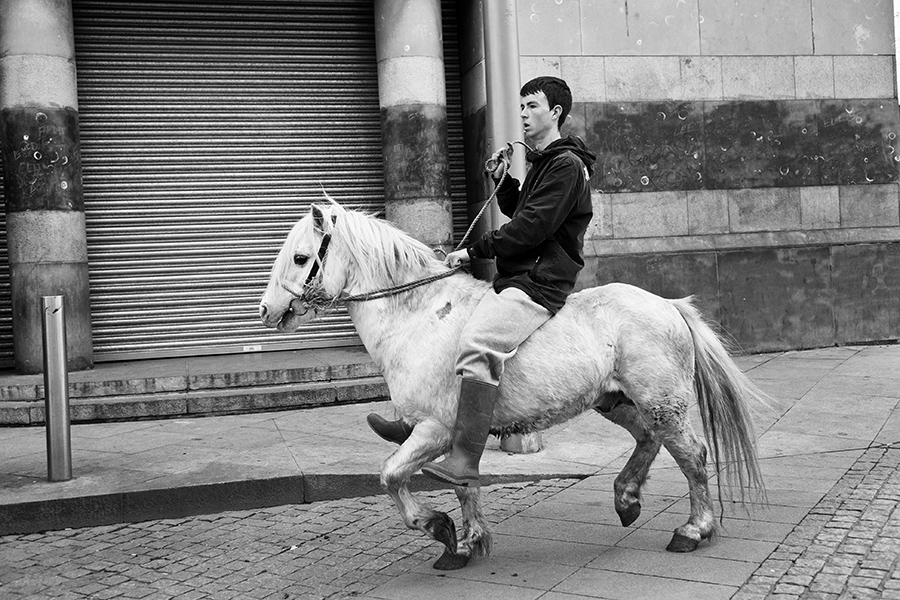
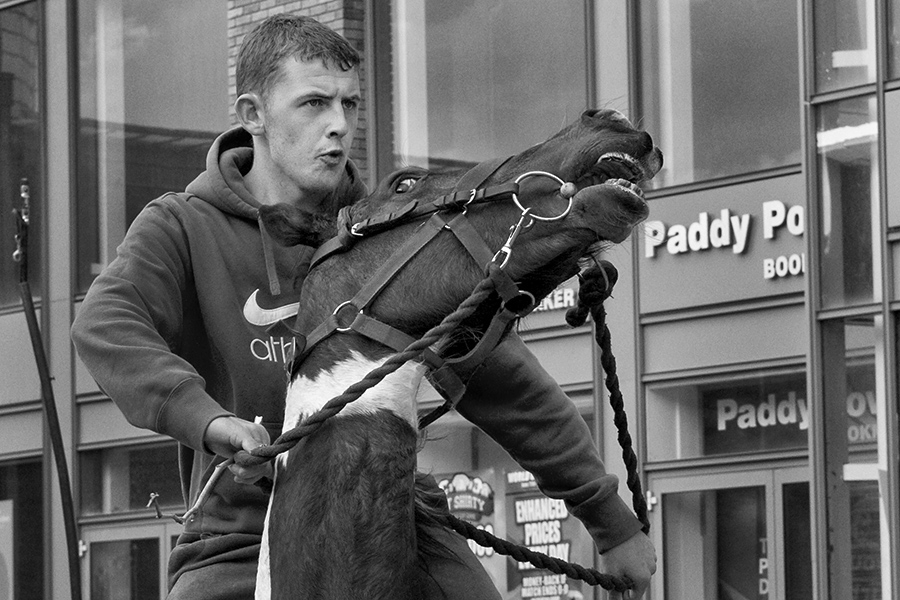
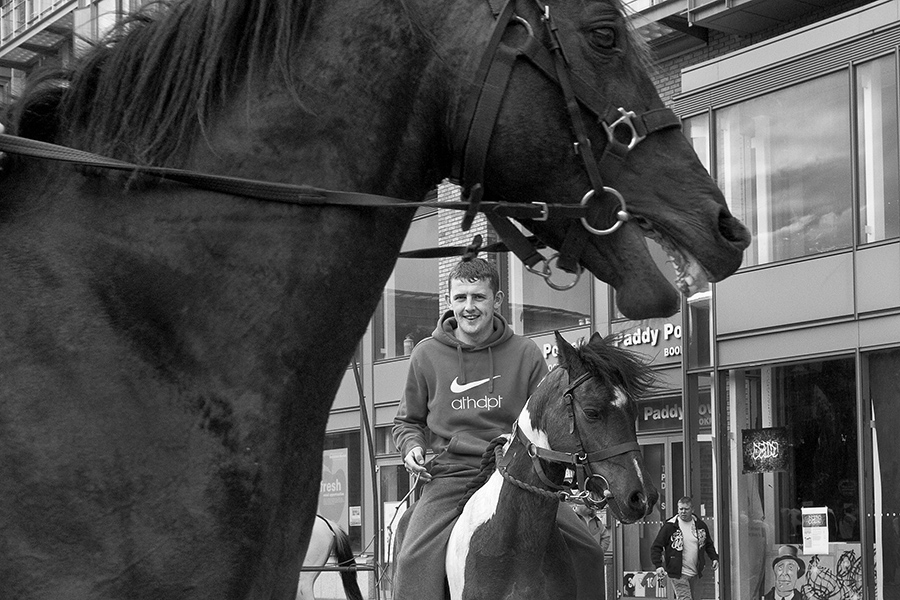
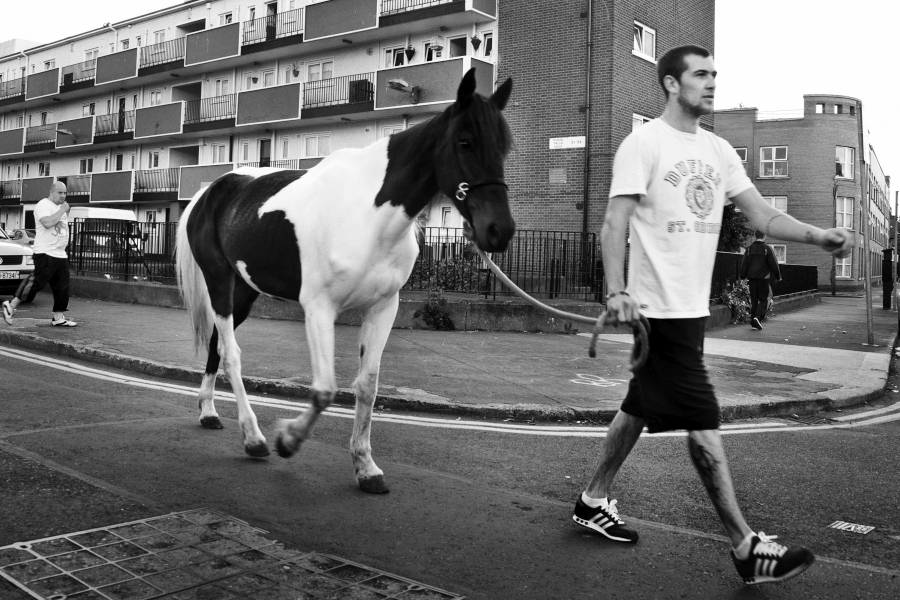
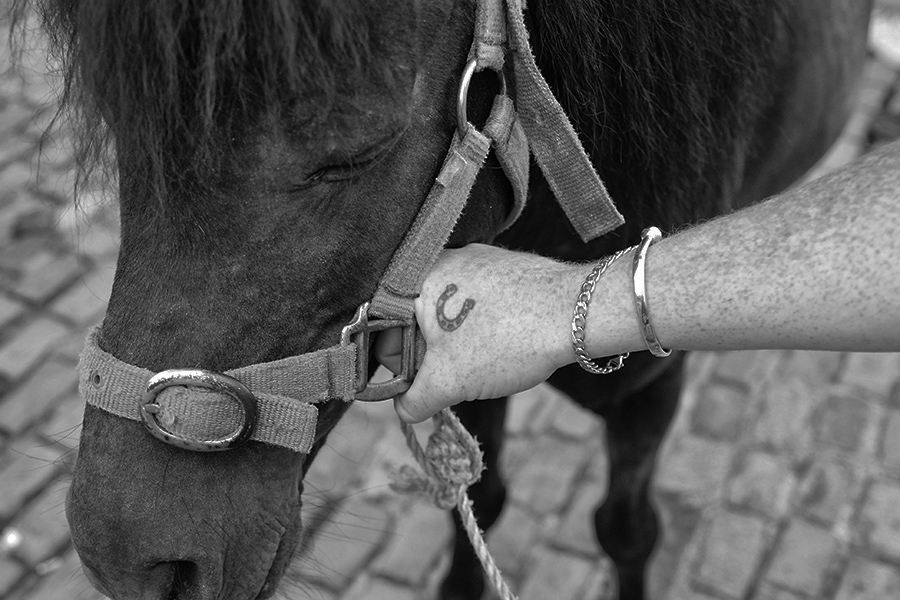
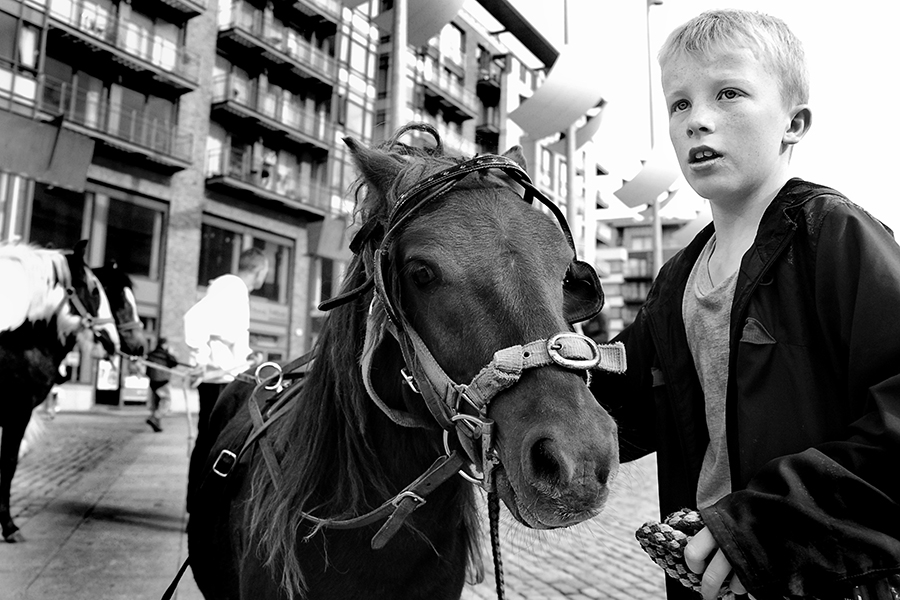
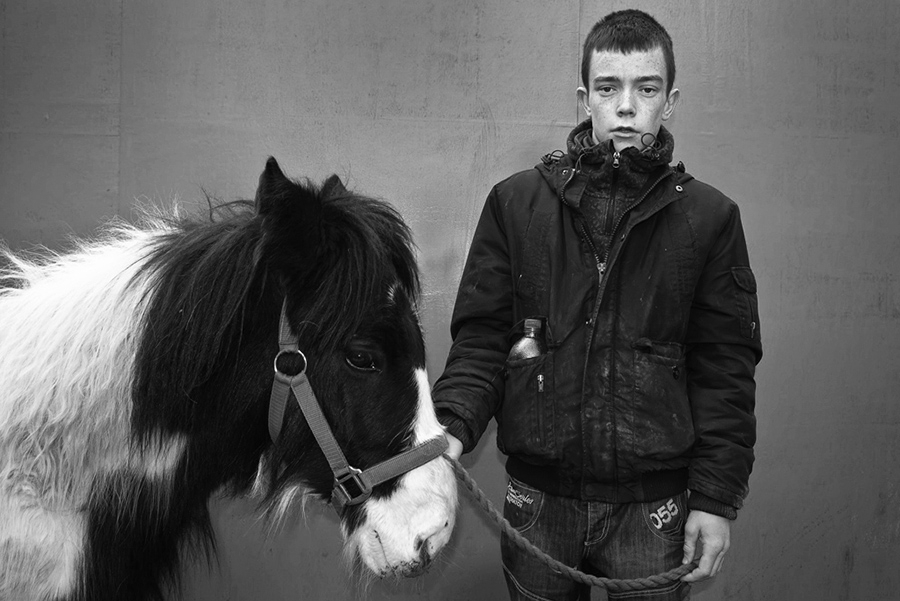
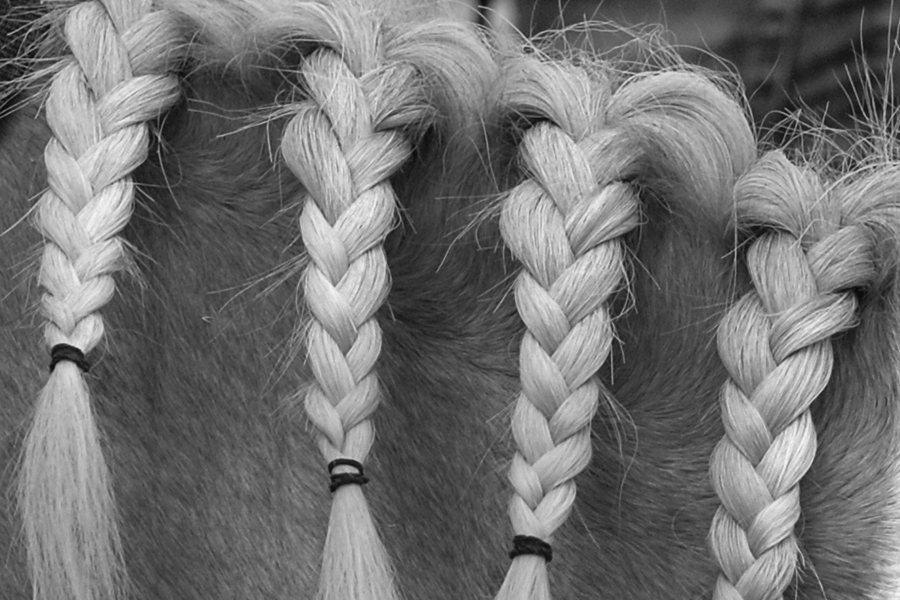
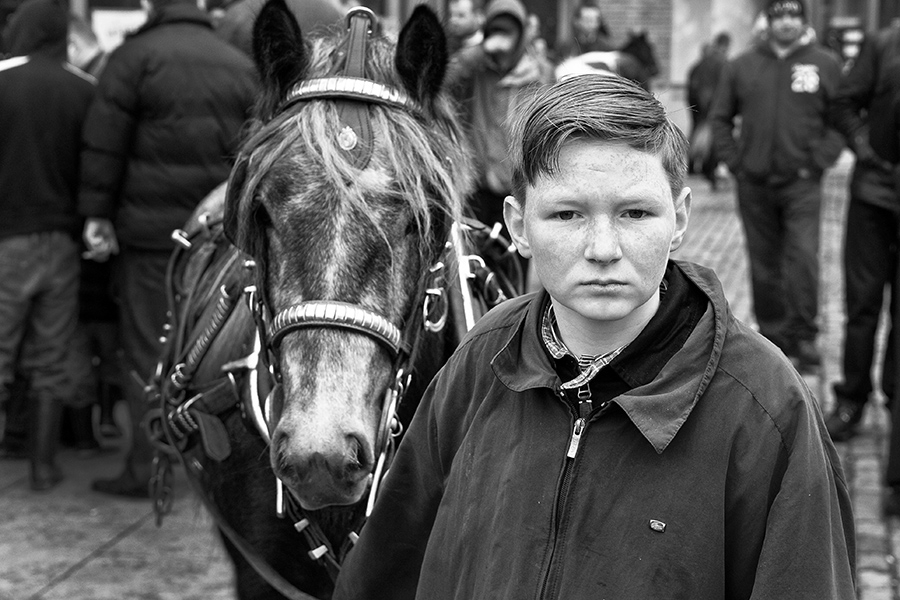
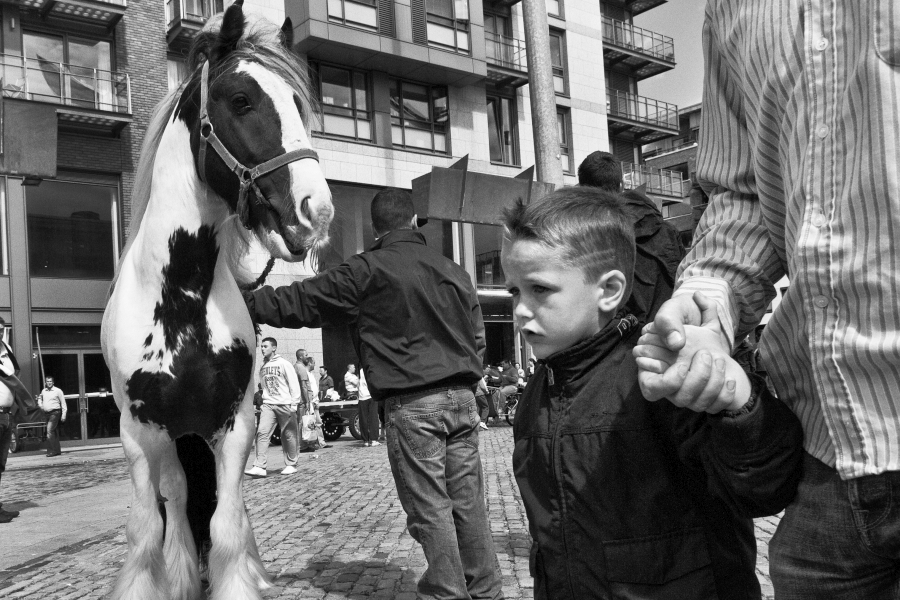
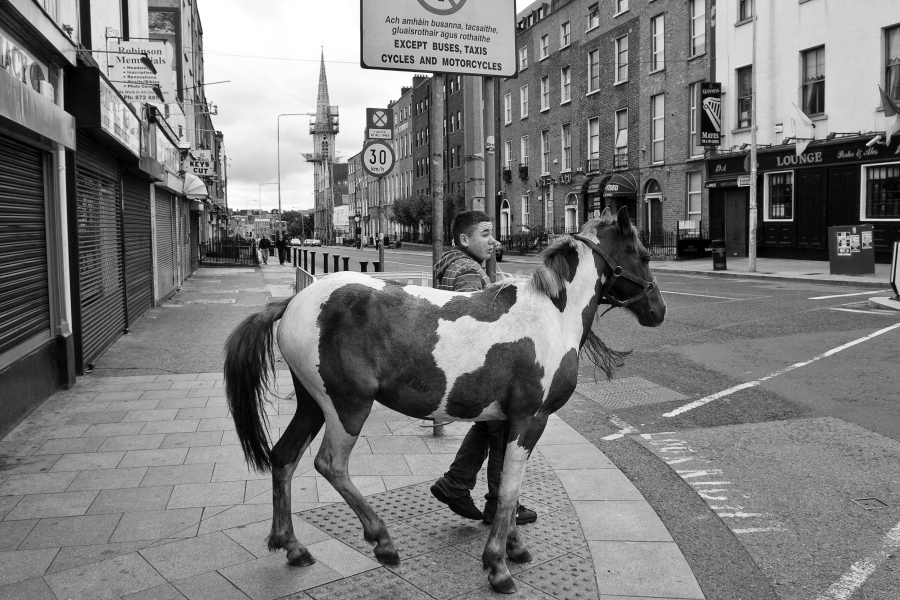
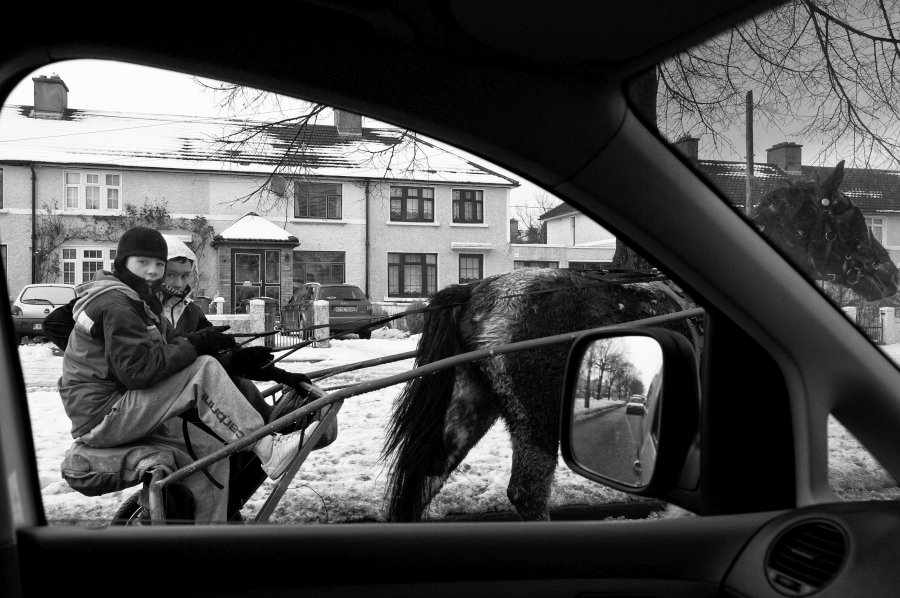
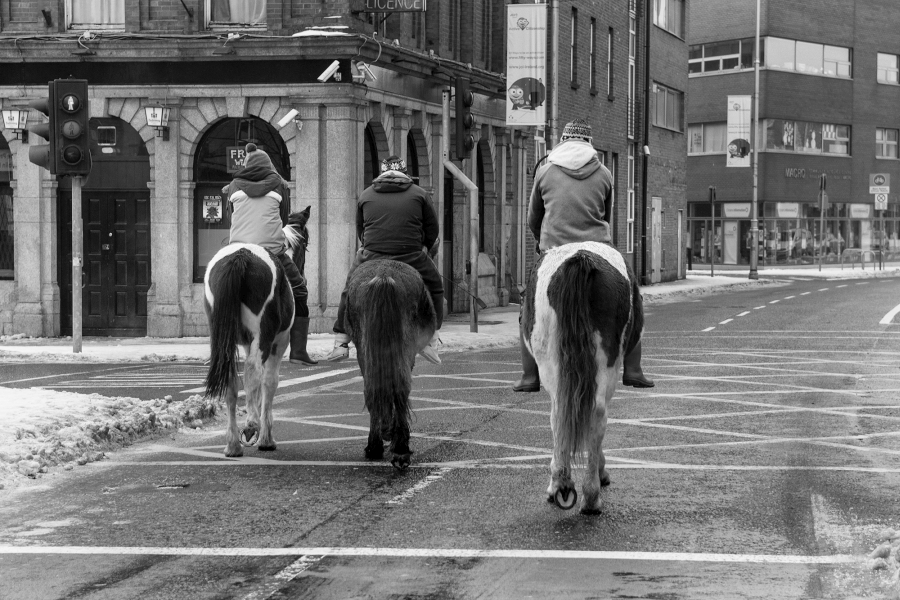
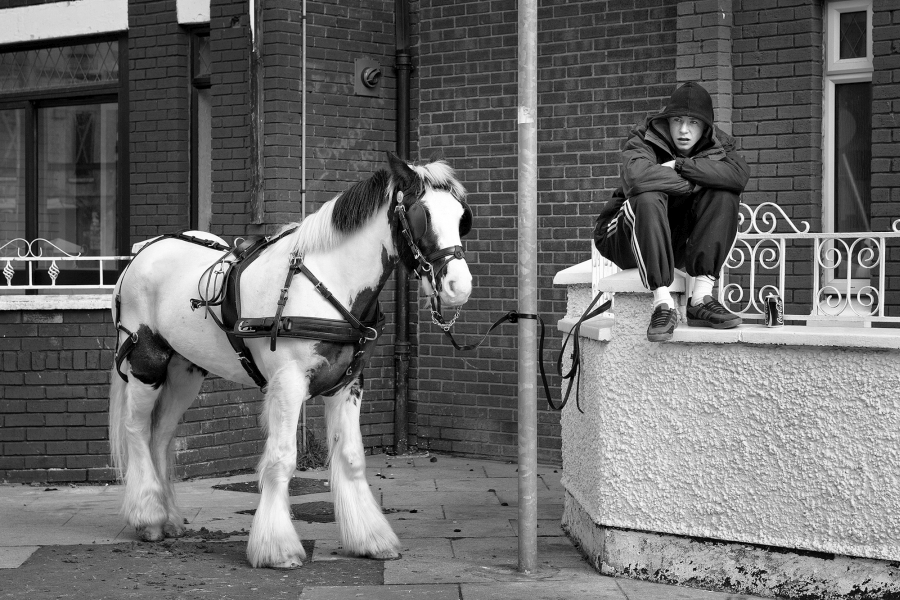
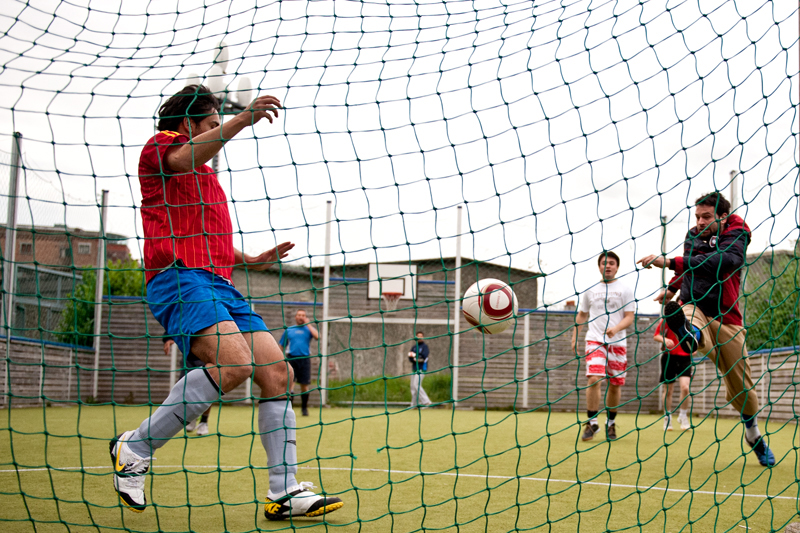
    Irish love for horses is known worldwide. Keeping horses without a license in an urban area is prohibited under the 1996 Control of Horses Act. But young residents of north Dublin don’t pay too much attention to regulations. They just want to have some fun. Teenagers’ dream here it’s not a bike or motorcycle but a pony or horse. Animals are kept in garages, sheds or just in the backyards and there were cases of mistreated animals reported.

    Most of the residents don’t mind the horses in the area and think it keeps kids out of the trouble, others suggest moving animals for pastures outside the urban area, because free-roaming animals and riders disturb traffic.

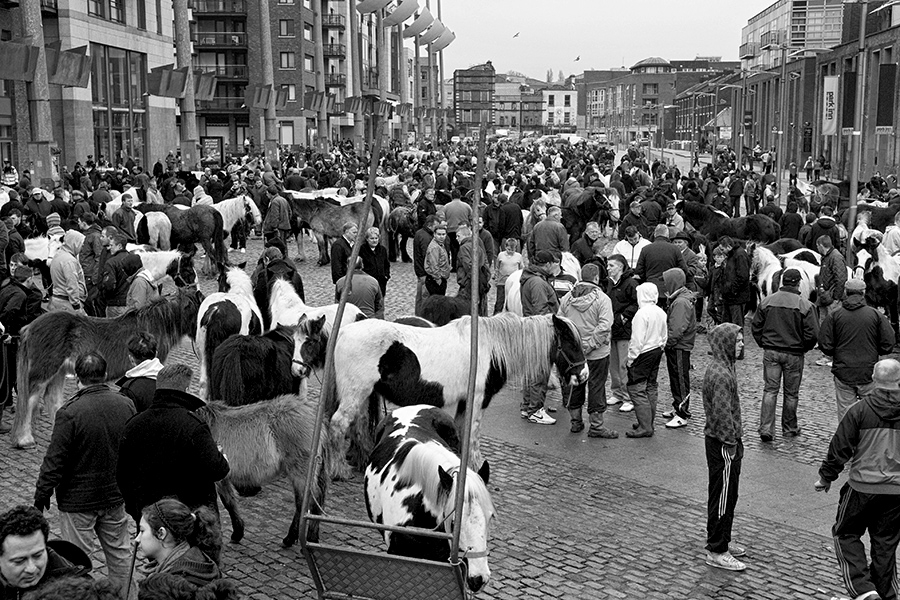
    Horse market at Smithfield, Dublin city centre is a place where horse breeders gather on the first Sunday of every month to buy and sell horses, ponies or just to chat with old friends from horse business. Teenagers from Dublin ride to the market on their ponies as well…

    Unfortunately, the recession took its toll on horses and ponies. Many of them have been left to survive on their own after being abandoned by their owners who could not afford to feed them any longer. Severe winter conditions 2010/2011 caused a number of deaths of the animals across the country.

    Photos were taken between 2007-2013

  • Portrait of the Pilgrim 2011by Tom Bereska and  Tom Szustek

    Portrait of the Pilgrim 2011

    by Tom Bereska and Tom Szustek

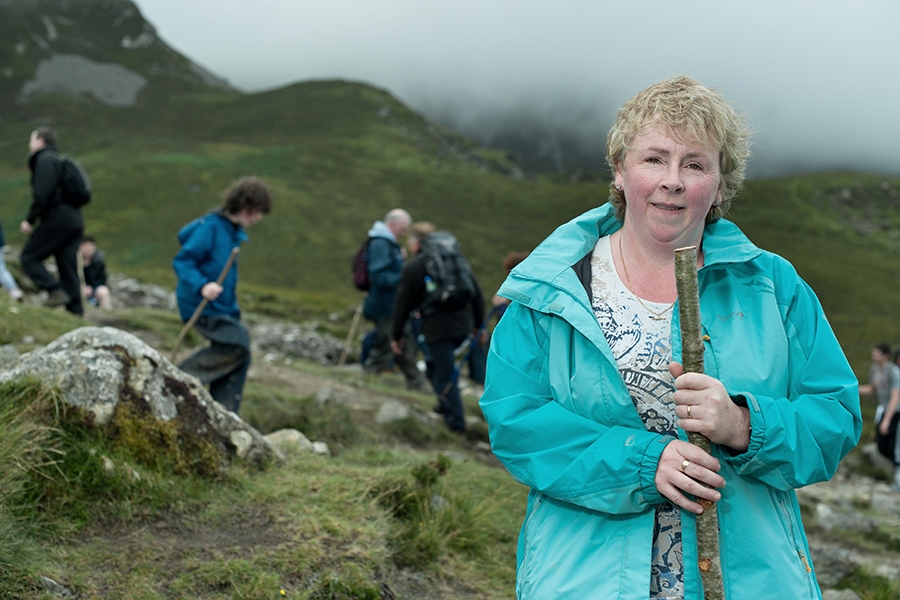
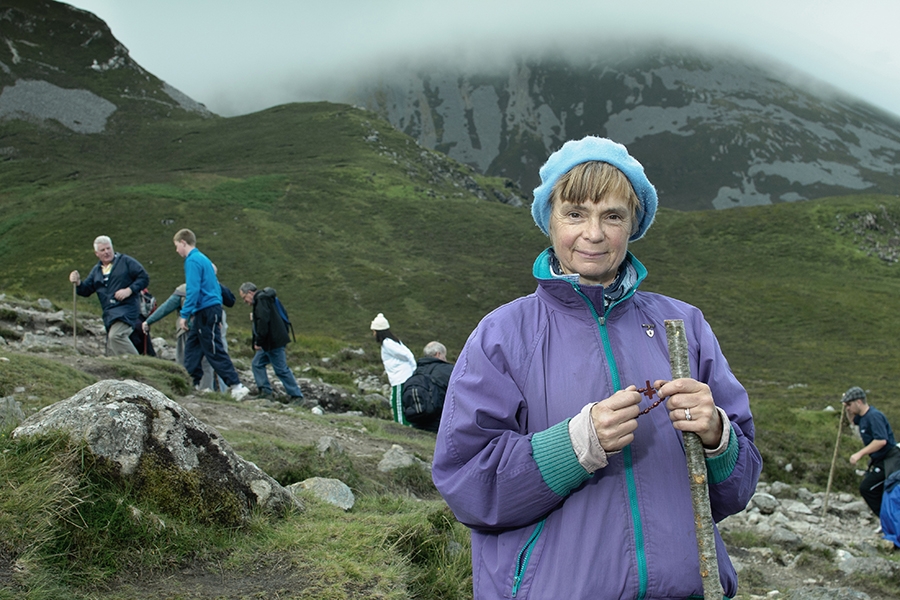
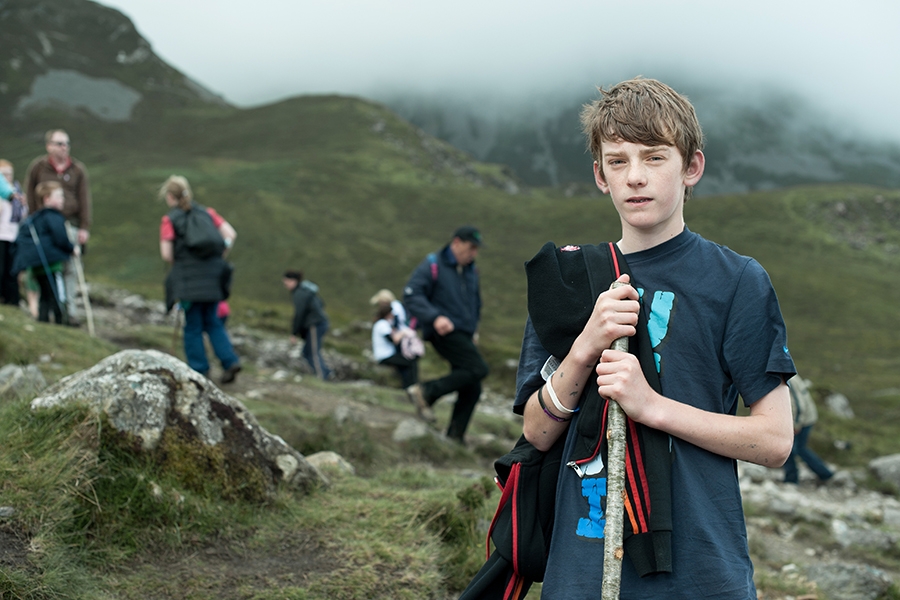
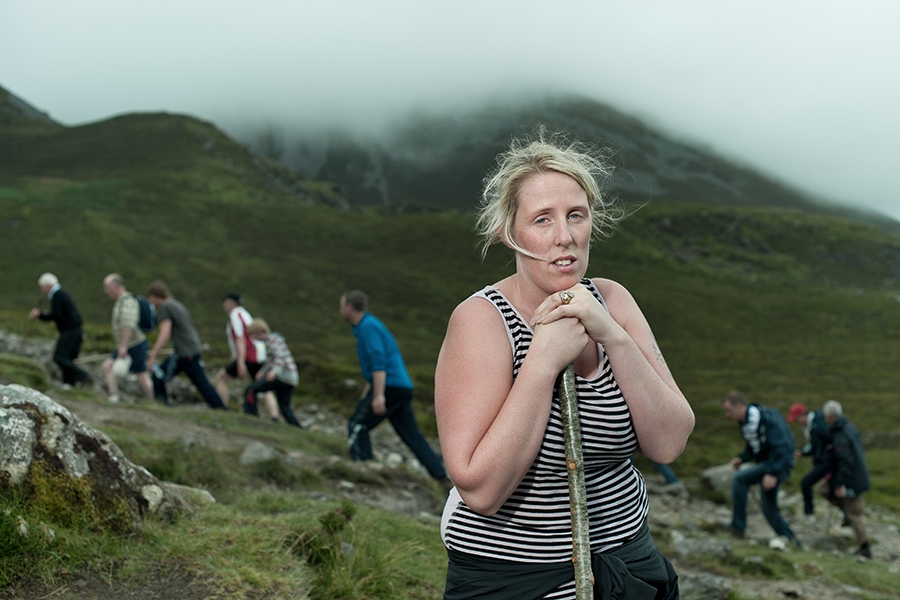
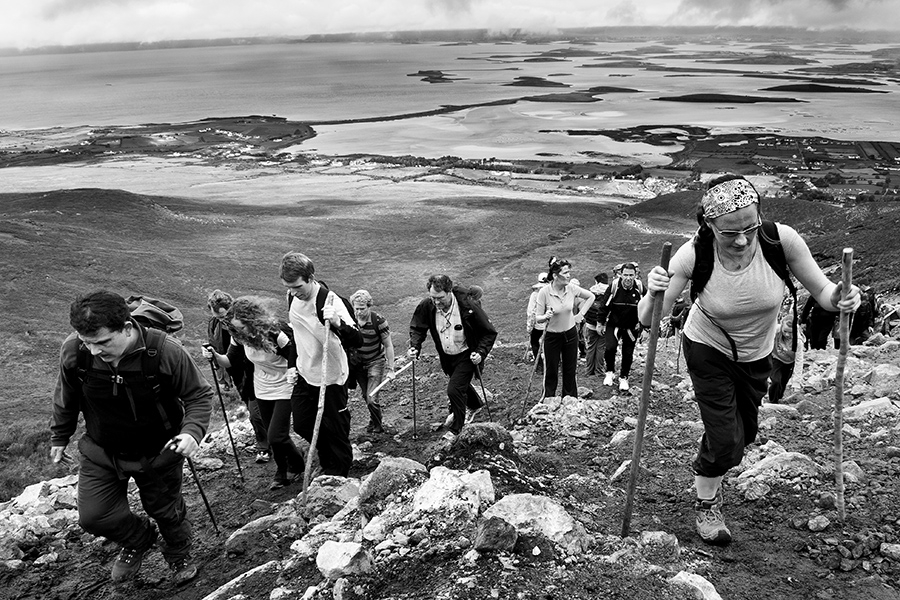
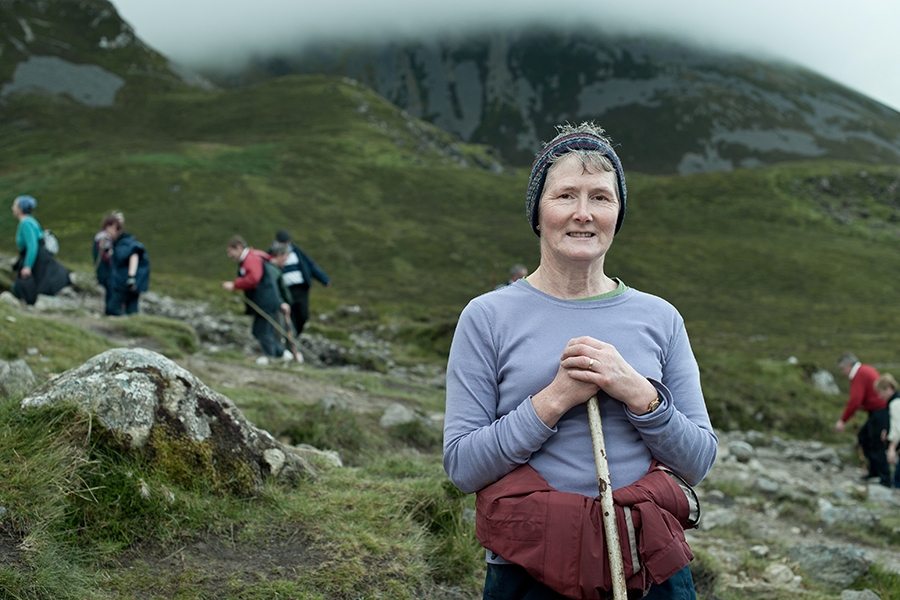
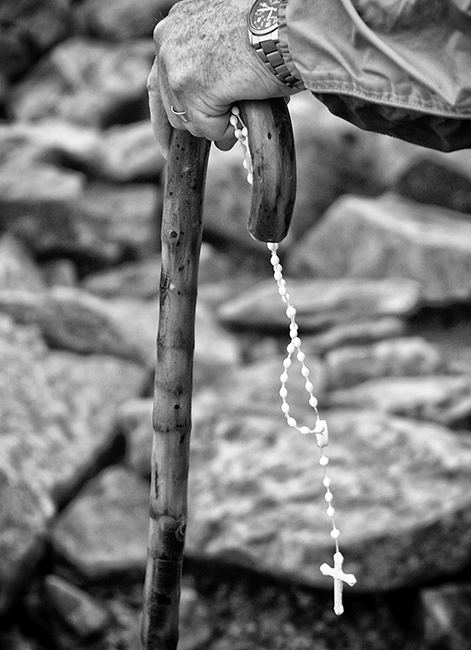
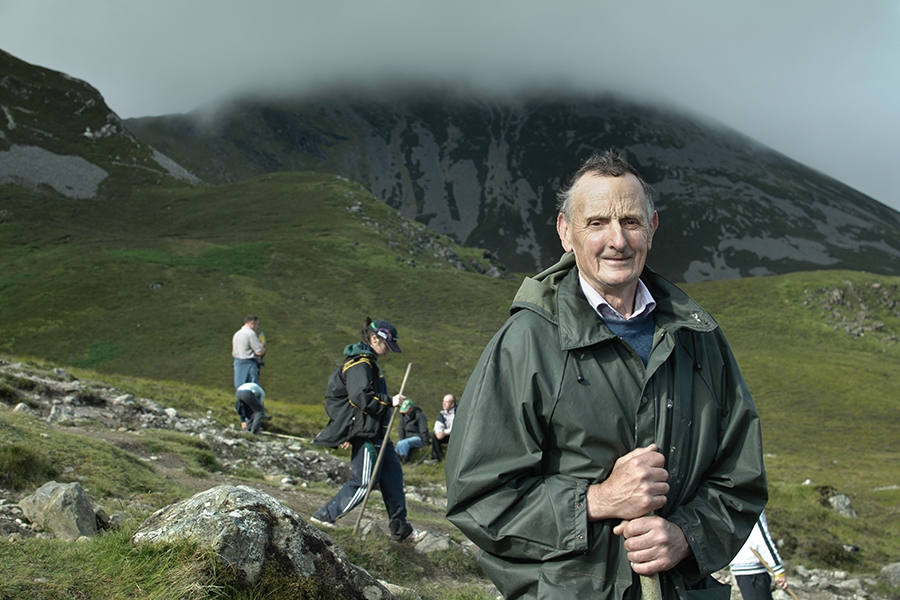
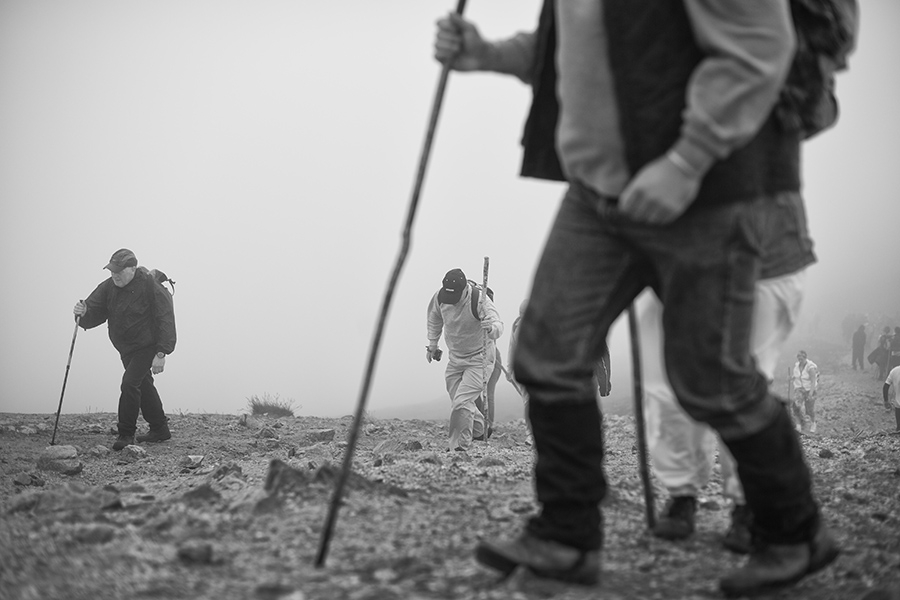
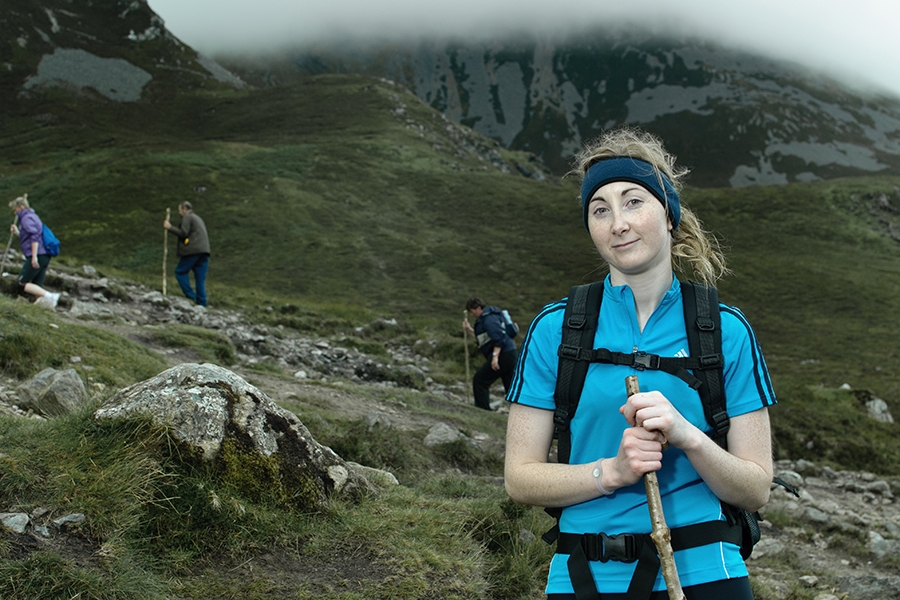
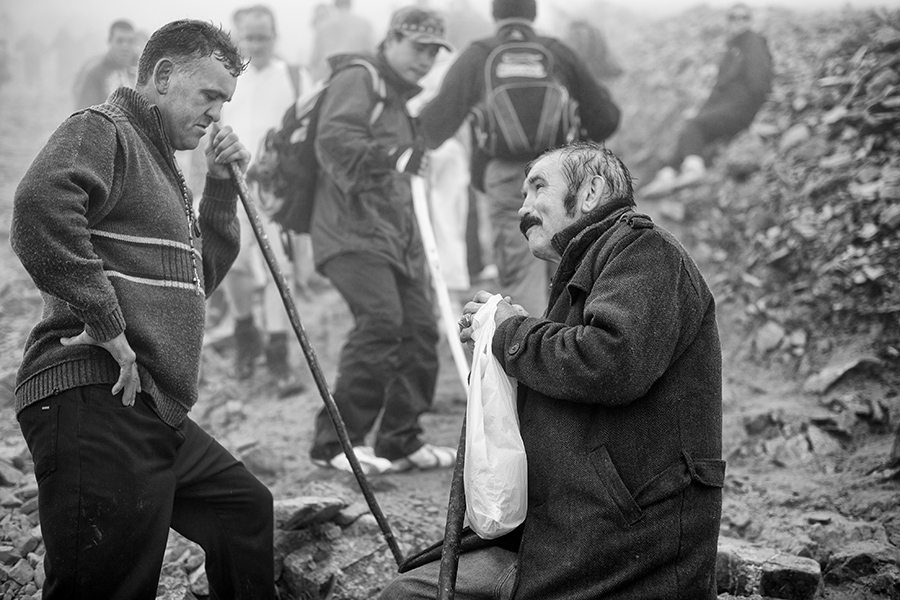
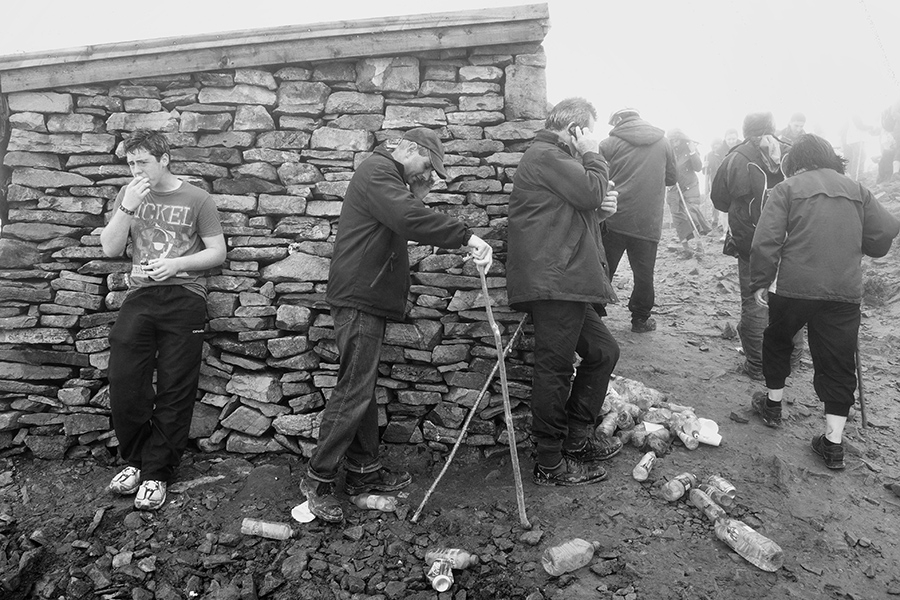
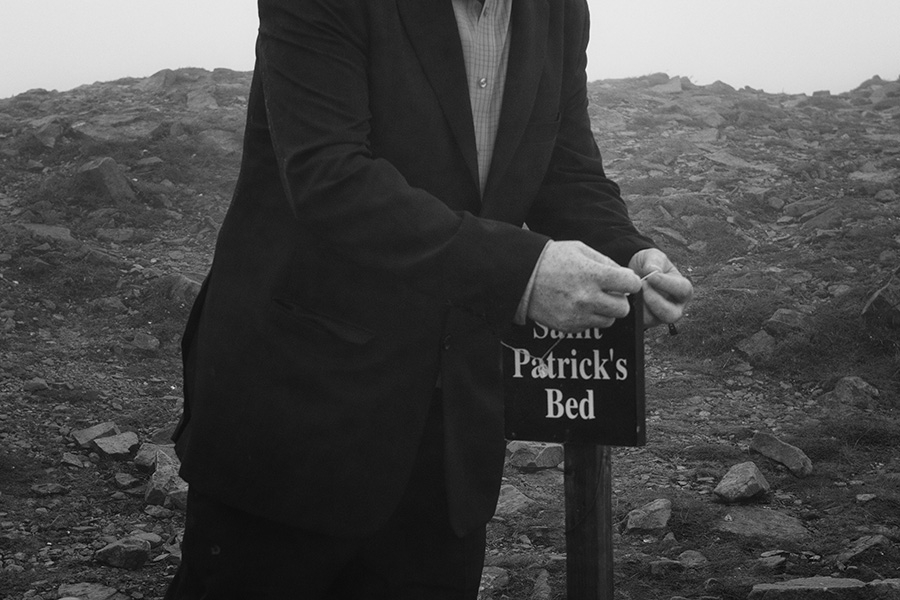
    According to the legend, it was on the summit of the mountain that Saint Patrick fasted for forty days in 441 AD. Then, when descending he threw a silver bell down the side of the mountain, knocking the pagan she-demon Corra from the sky and banishing all the snakes from Ireland.

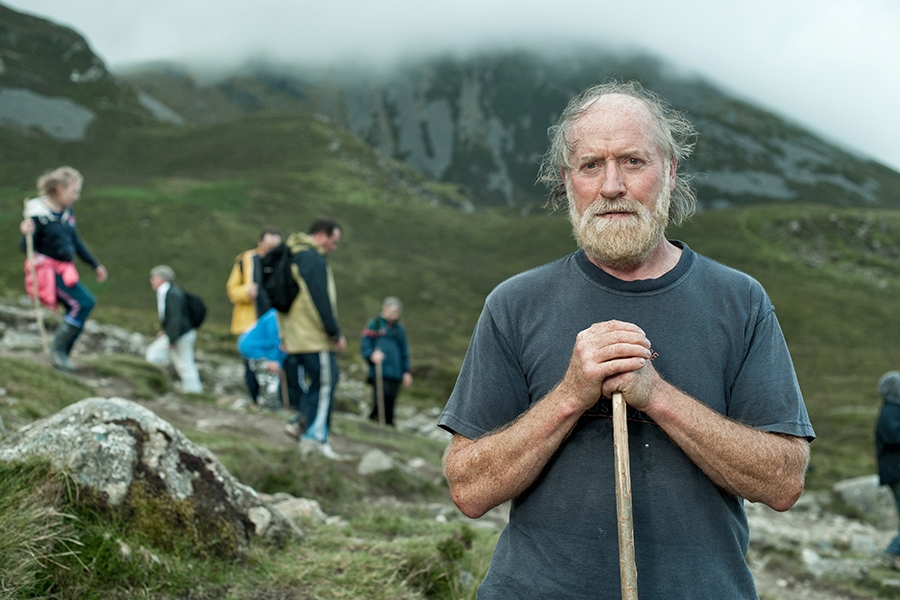
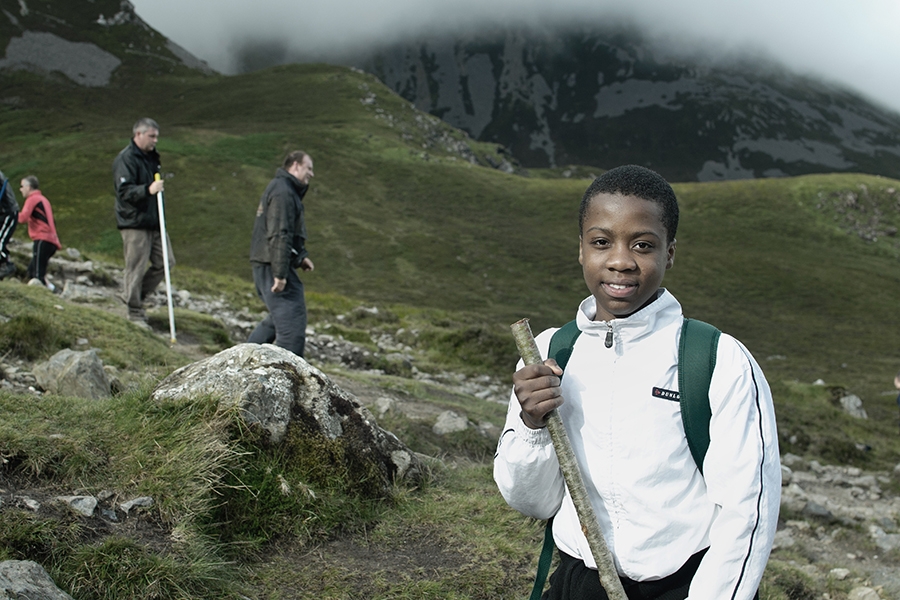
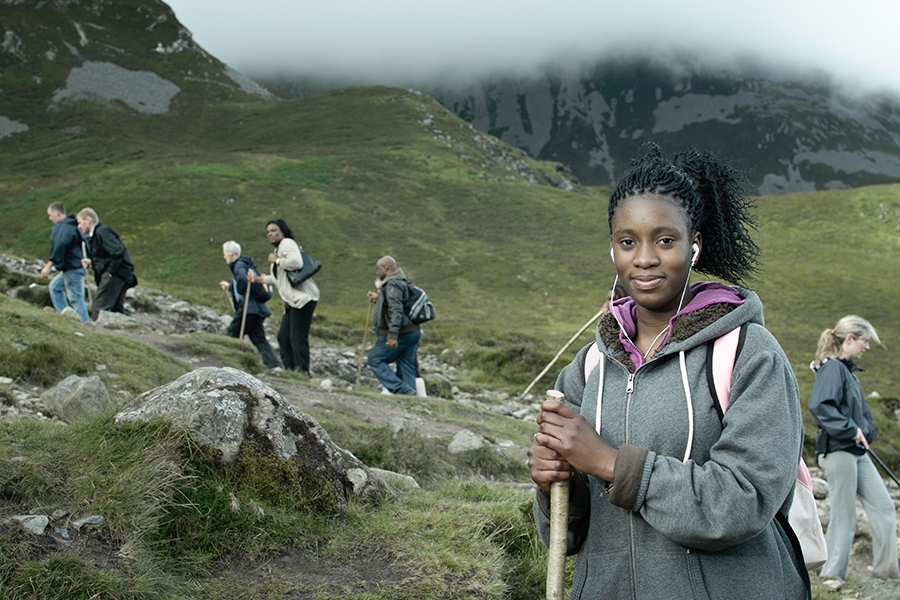
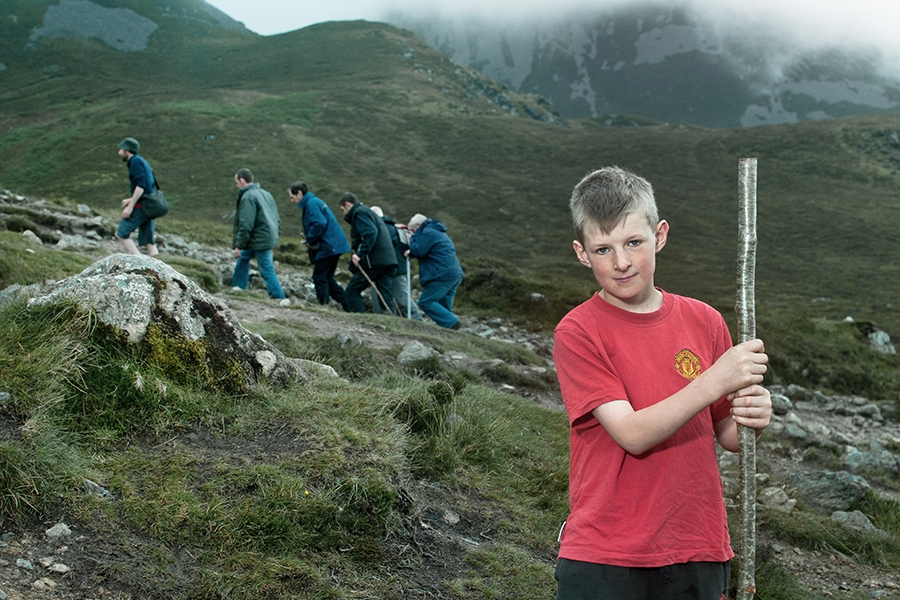
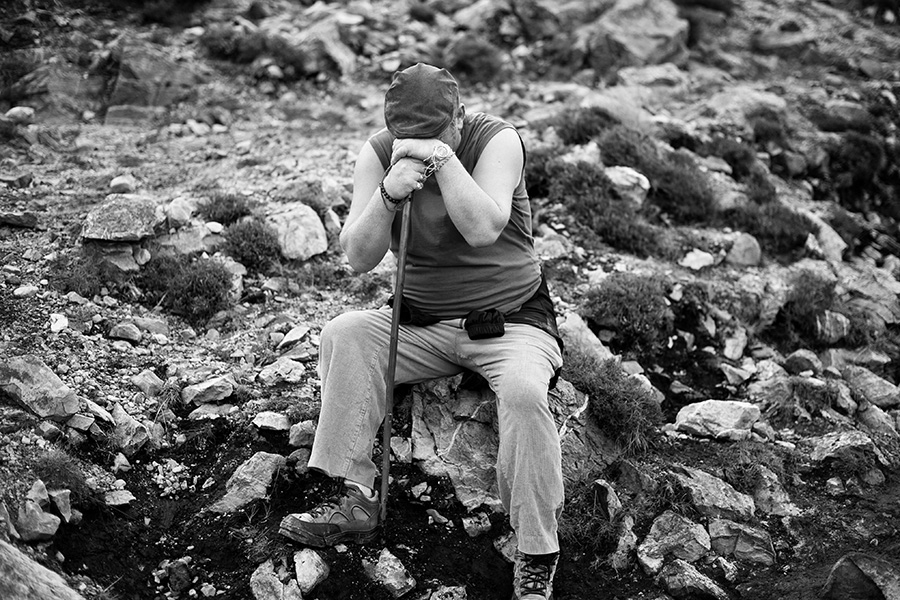
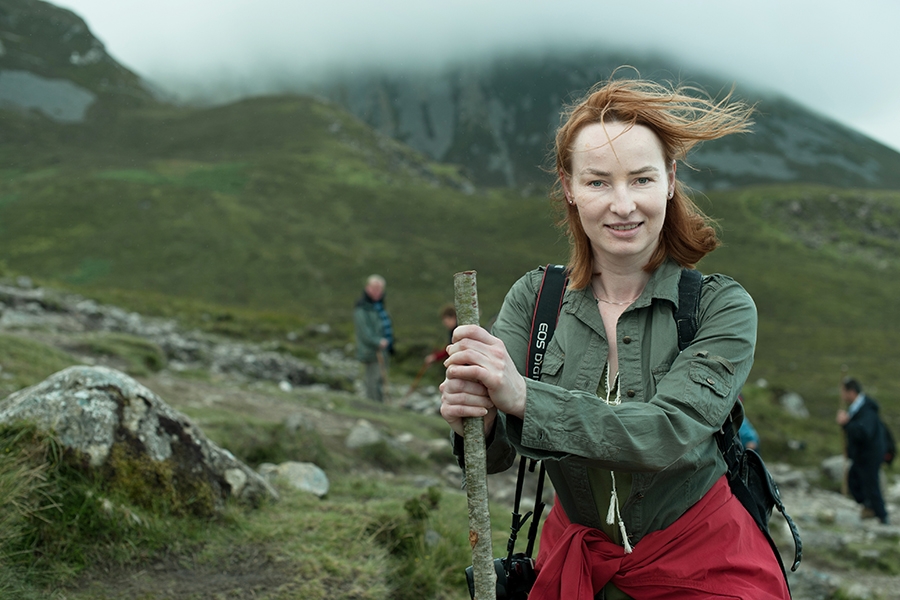
    Every year on “Reek Sunday”, the last Sunday of July, thousands of people climb the holy mountain of Croagh Patrick in Co. Mayo, Ireland. This tradition spans over 1500 years without interruption. Many pilgrims, as an act of penance undertake their walk barefoot.

    Among the pilgrims, there are members of every part of Irish society. Men and women, young and old, rich and poor, professors and workers, Irish and immigrants. All were different, but all were joined by the holy time of pilgrimage. The diversity in appearance and unity in purpose, that’s what we wanted to capture.

    cooperation: Tomasz Wybranowski

  • South American Family in Dublinby Tom Bereska

    South American Family in Dublin

    by Tom Bereska

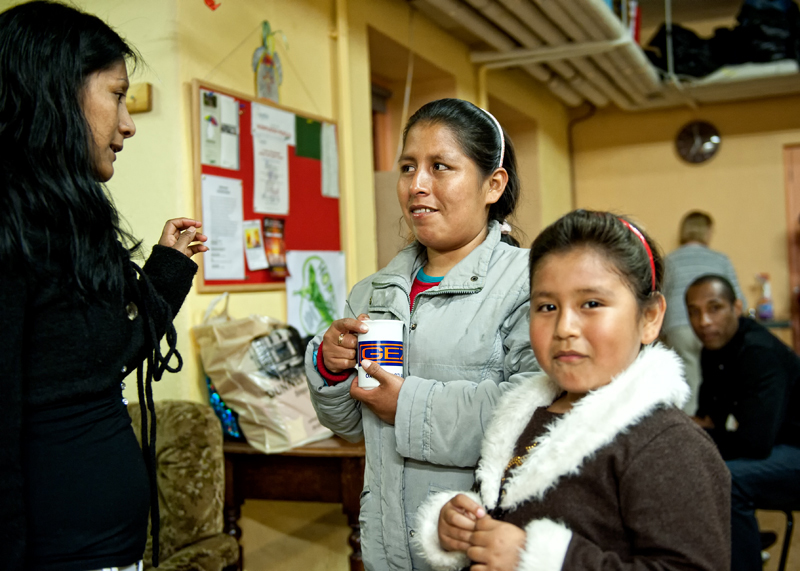
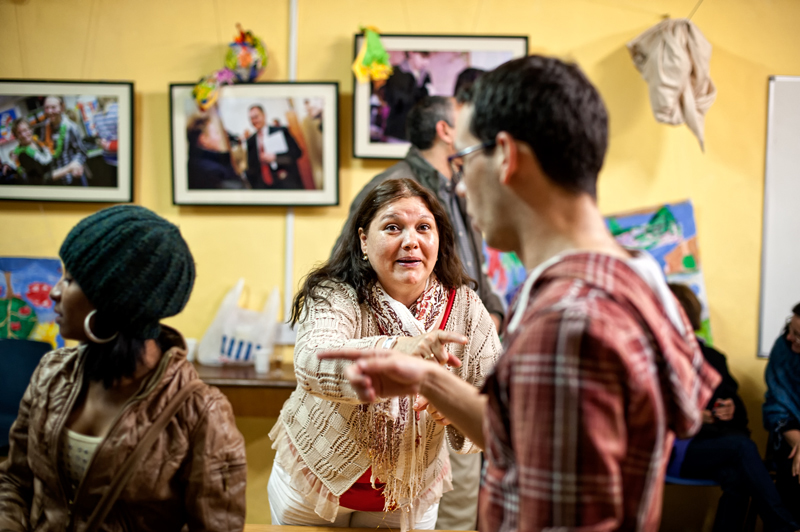
    This is not a story about an ordinary family. This is about people, who a few years ago or even a few months ago didn’t know each other. They came from Bolivia, Chile, Paraguay, Cuba, Mexico to Ireland and now Dublin is their new home.

    Emigration, homesickness and hope for a better future connected them together so close that previous differences don’t matter anymore.

  • Choucha Campby Tom Szustek

    Choucha Camp

    by Tom Szustek

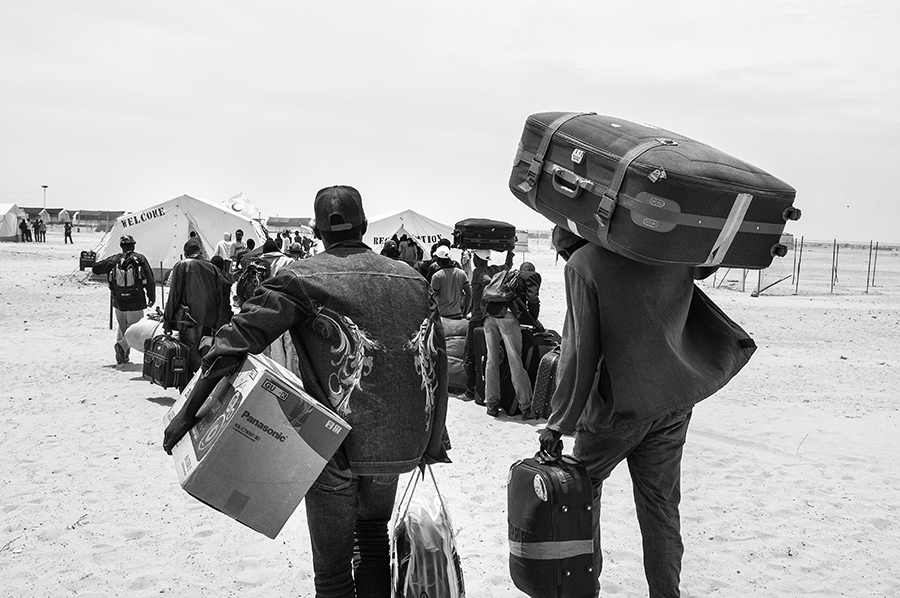
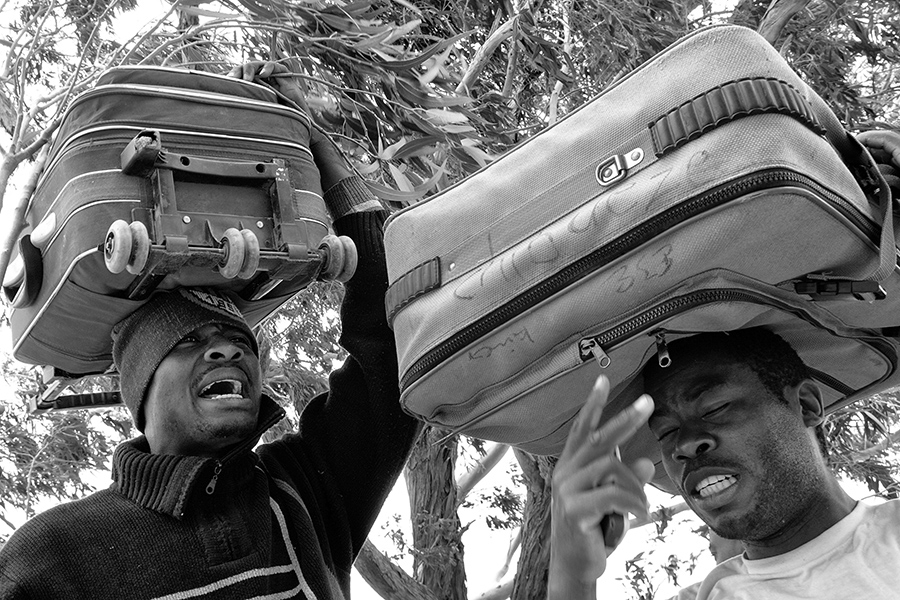
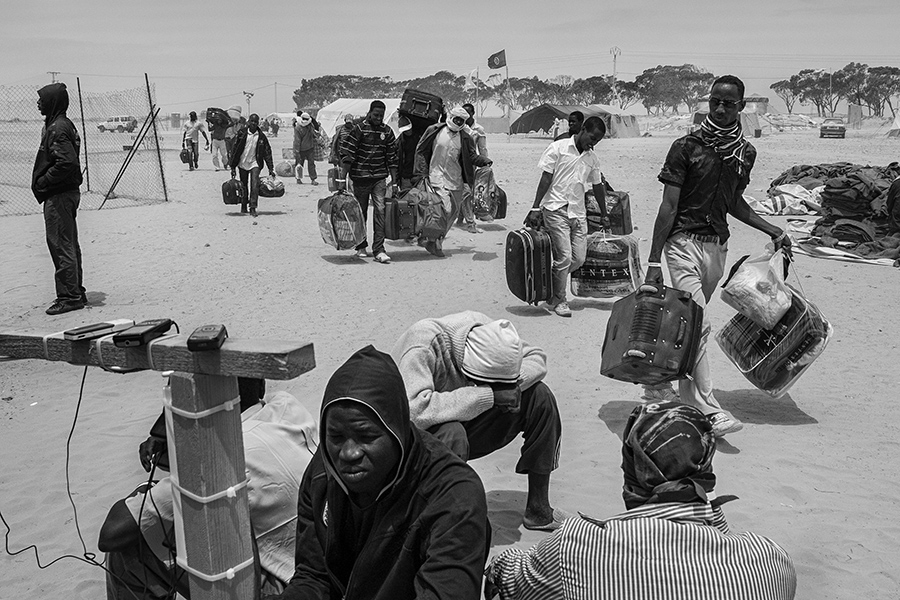
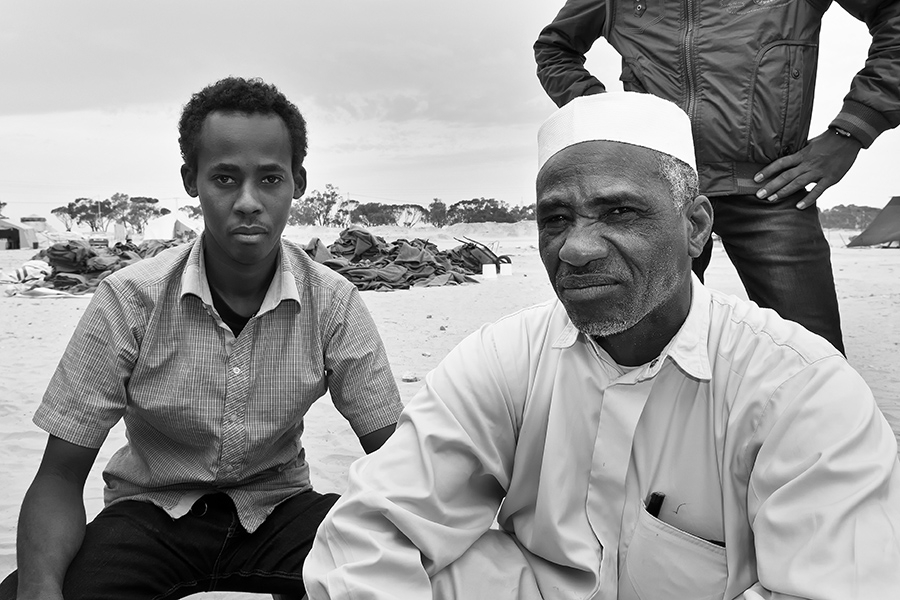
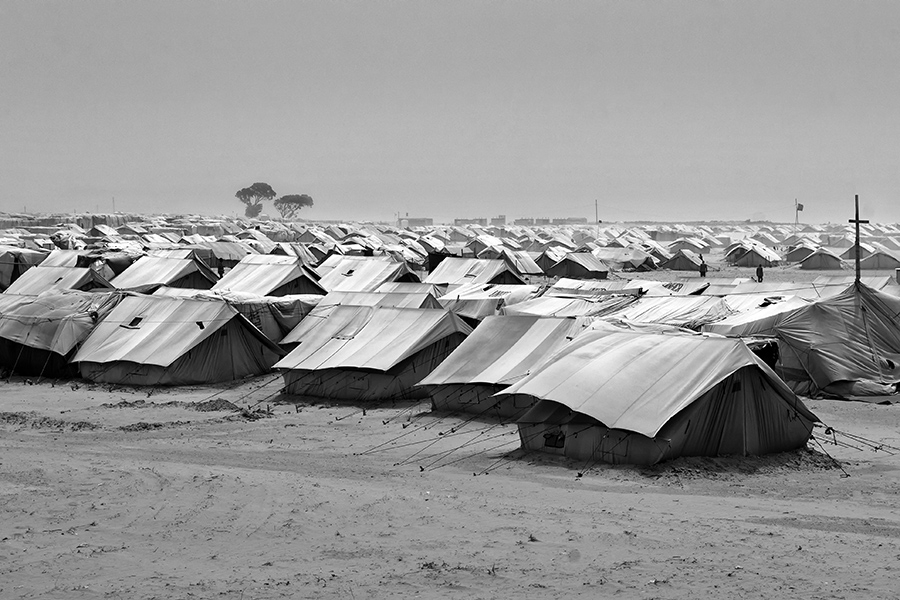
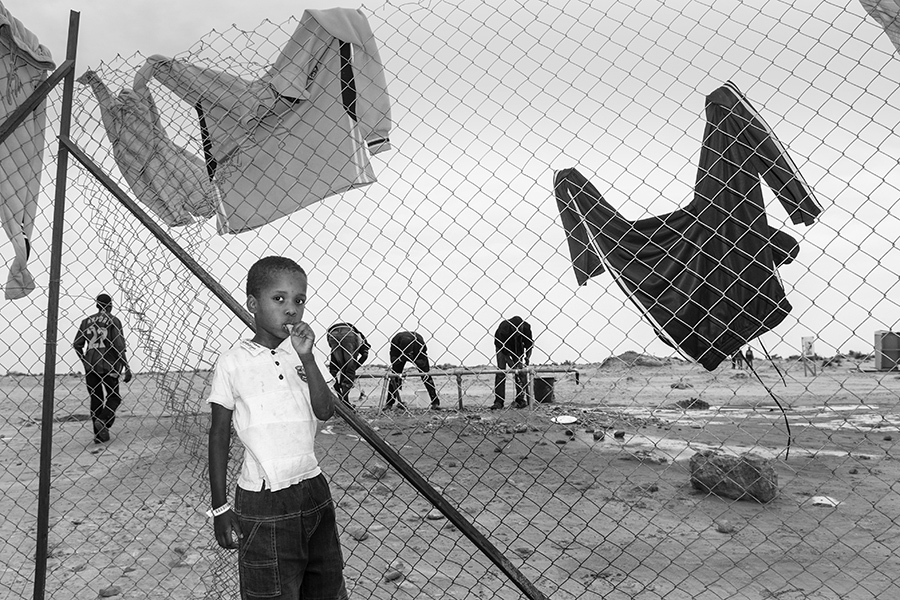
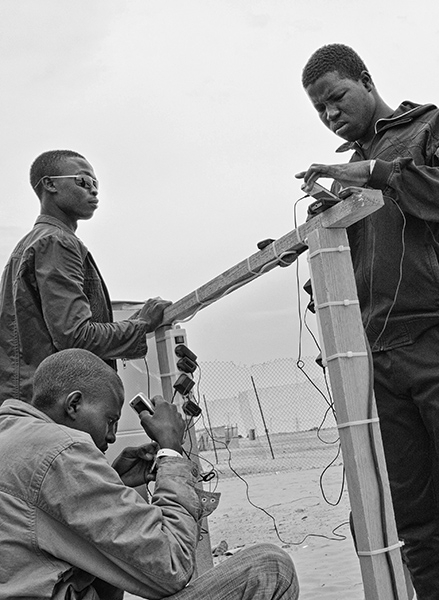
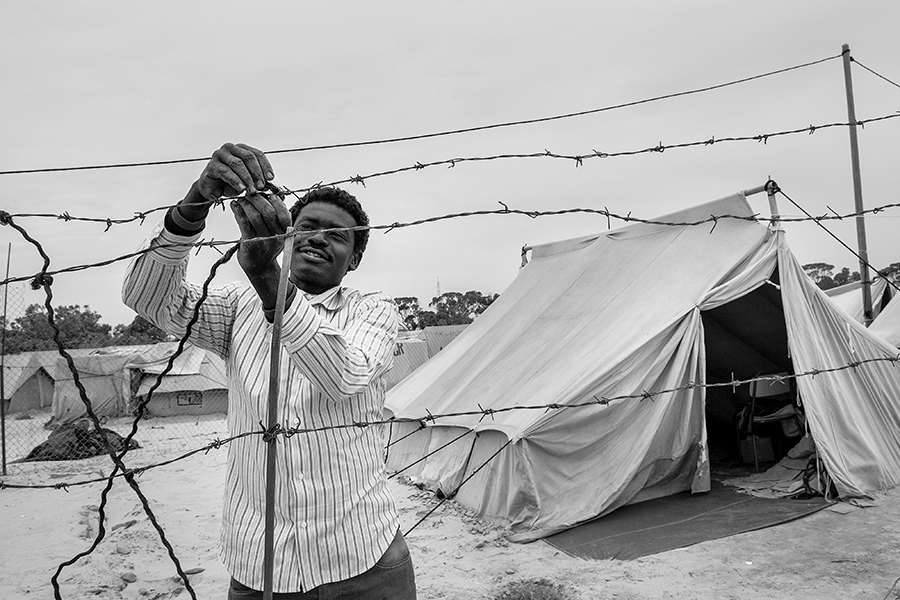
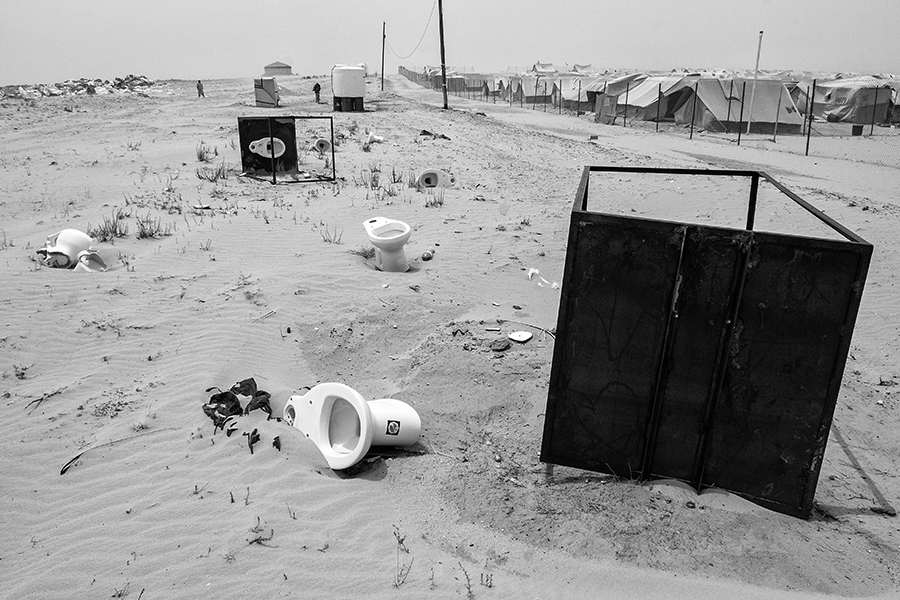
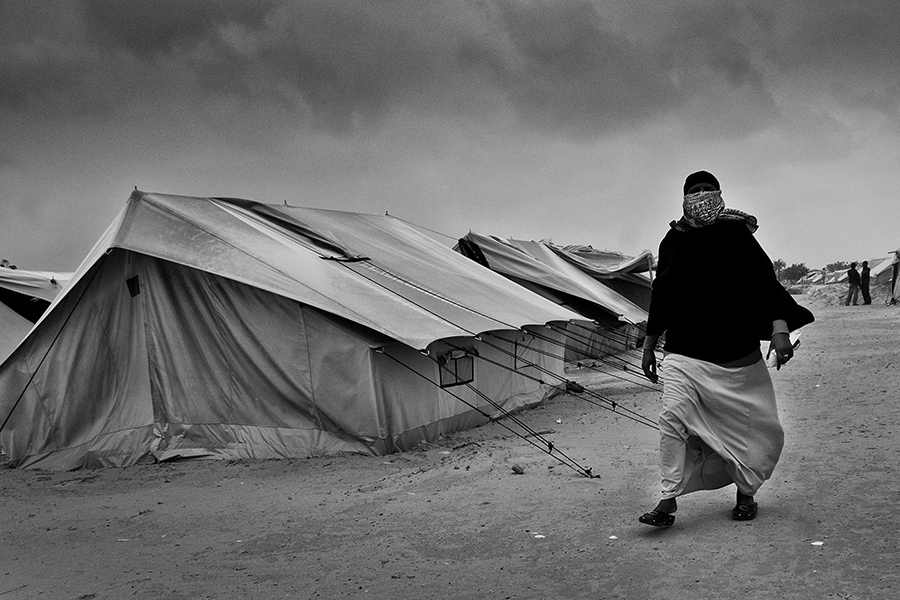
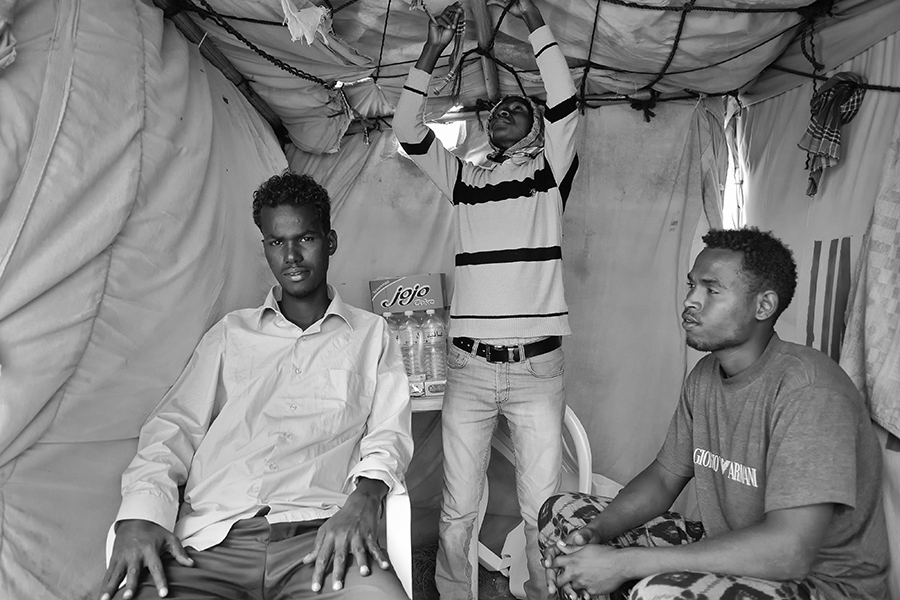
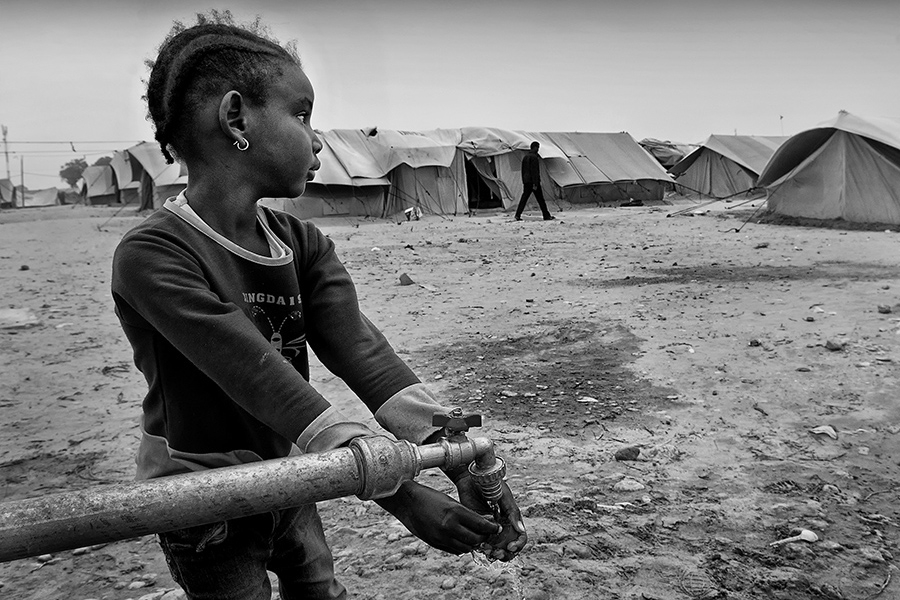
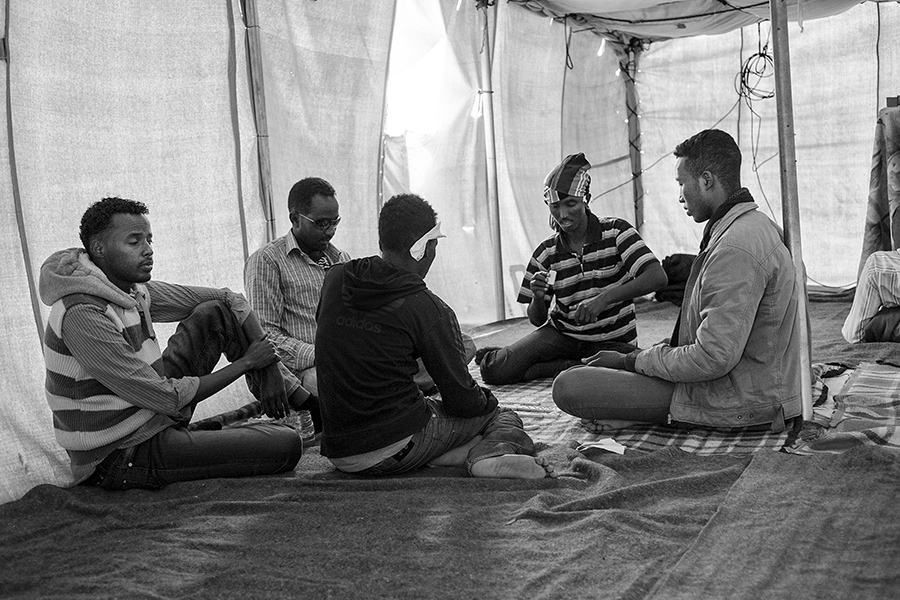
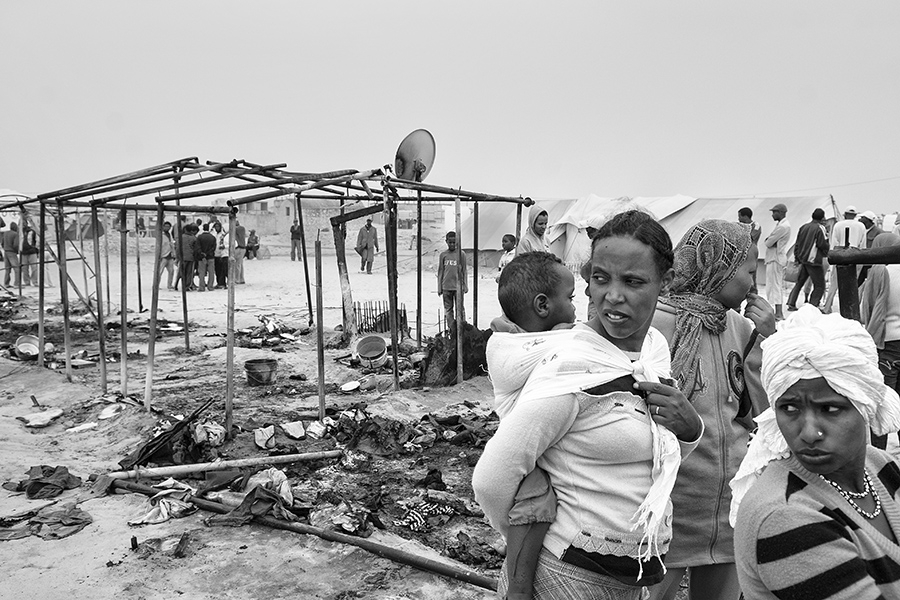
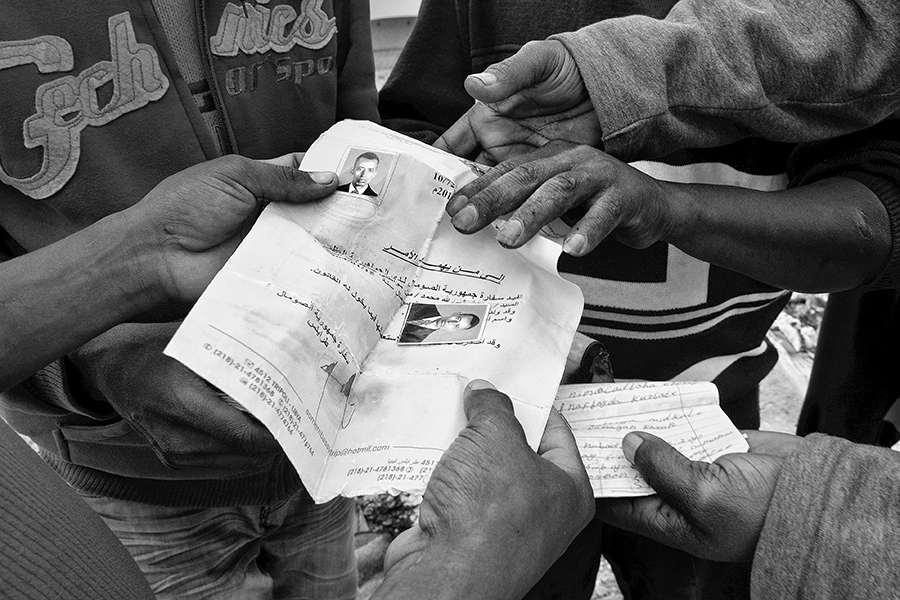
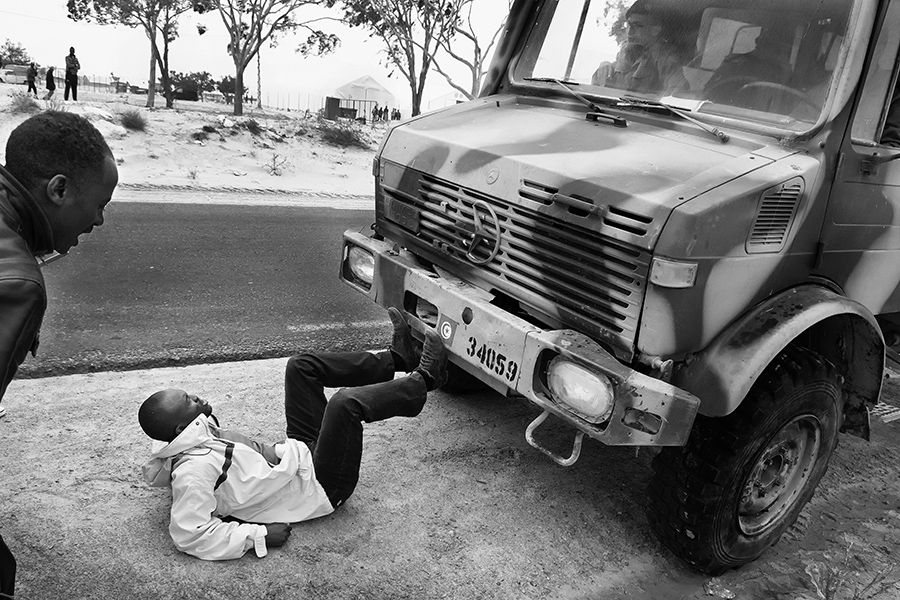
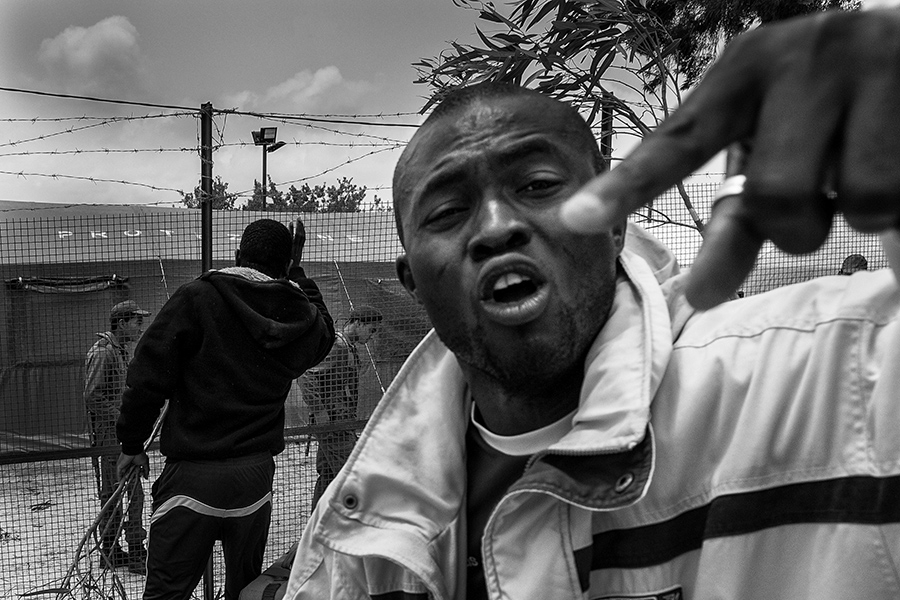
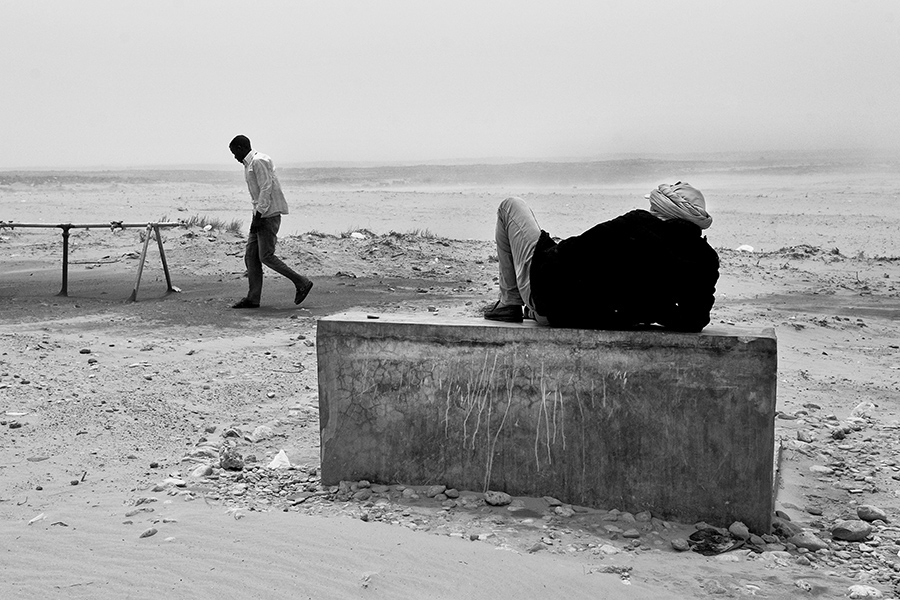
    Choucha camp, Tunisia, 7km from the Tunisian-Libyan border accommodates about 5 thousand African refugees who fled from Libya. The camp is run by UN Refugee Agency (UNHCR) with substantial help from  NGO-s.

    Despite efforts and good will to ensure good conditions, refugees suffer from the lack of drinkable water and complain about poor quality food. No security is provided in the camp at night time. Most of the refugees cannot return to their war-torn homelands. Western countries are unwilling to accept them.

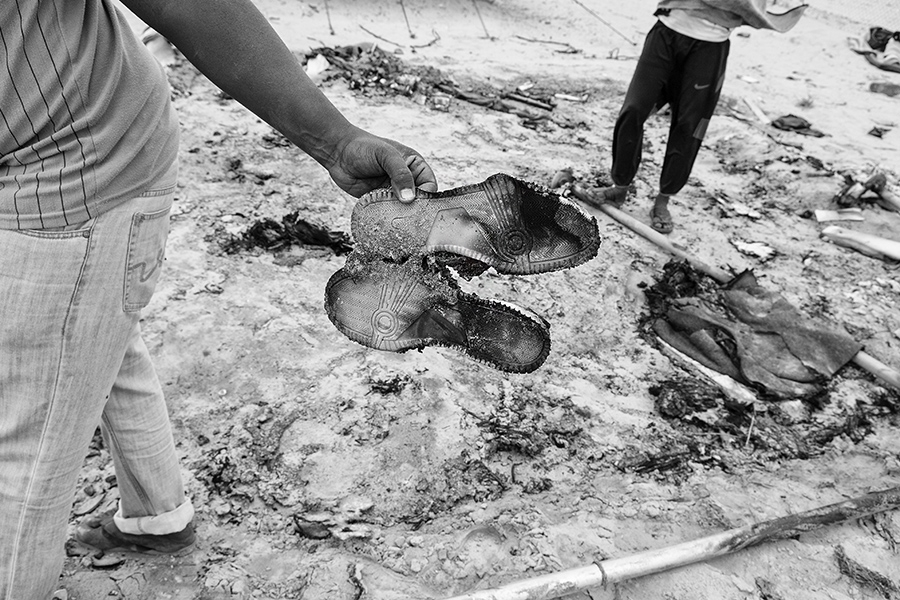
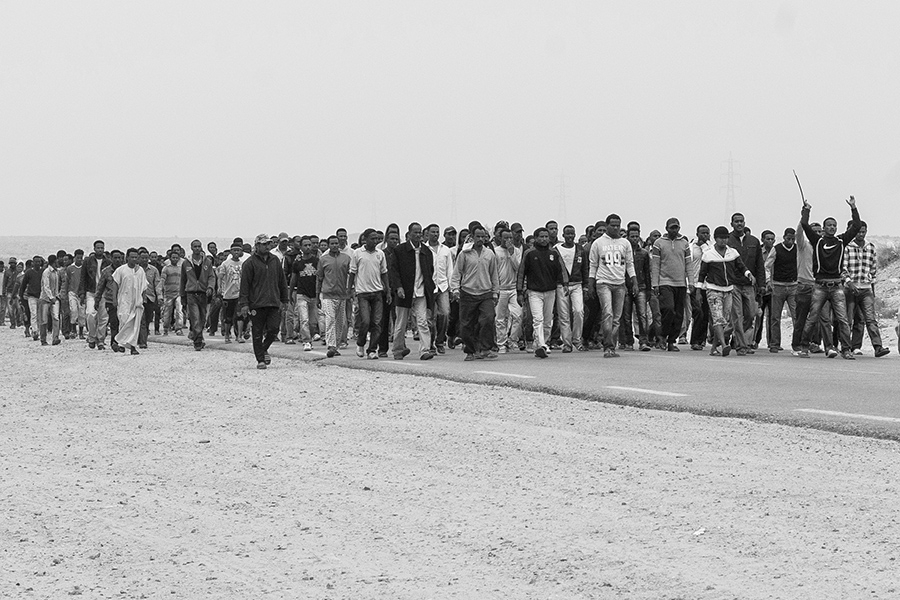
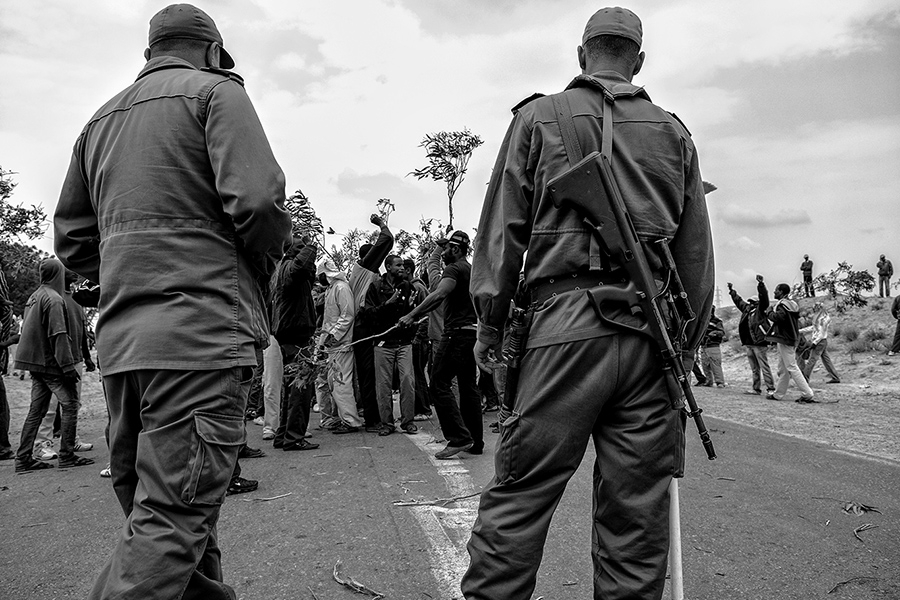
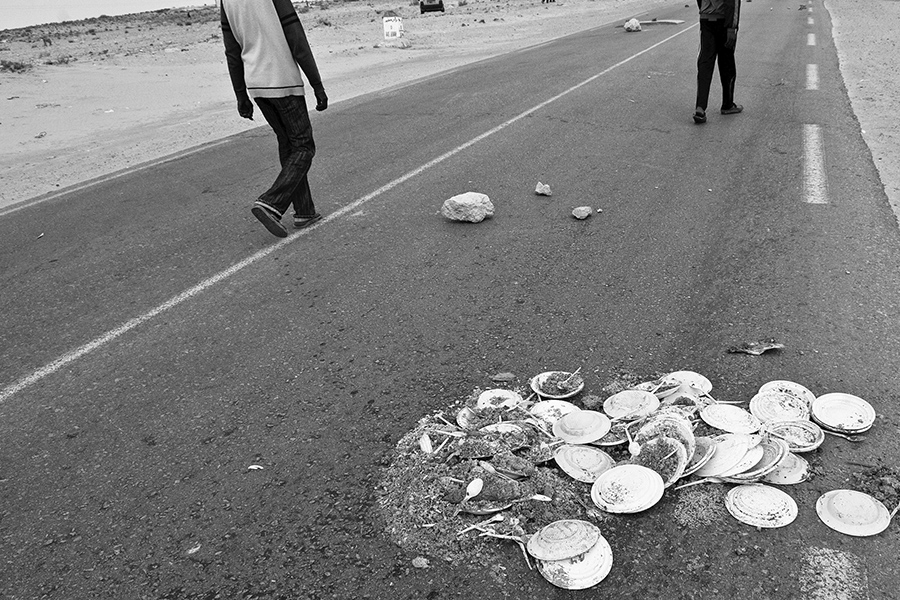
    On May 22nd, 2011, a tragic fire broke out in the camp claimed 4 lives. Desperate African refugees started a protest against conditions in the camp by blocking the road to the crossing border point in Ras Ajdir. Security forces violently crackdown on protesters. Most of the camp was looted, destroyed or burned during 3 days of unrest in the camp. Groups of refugees of different nationalities were fighting on each other, local Tunisians and army soldiers took part in these fightings as well.

    Western journalists present at the scene were beaten by security forces and local Tunisians. Recording equipment was temporarily confiscated.

  • Untitled post 3252

    by  Tomasz Szustek

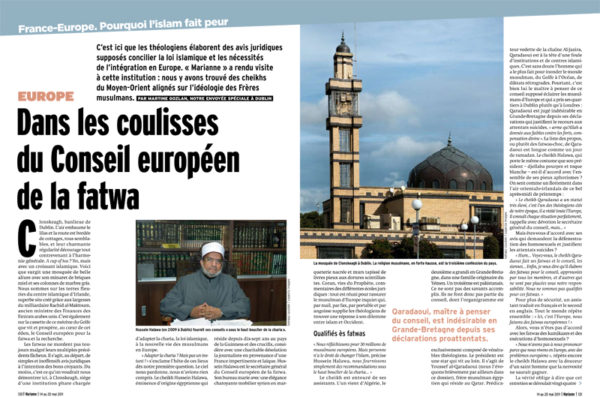
    Published in Journal Marianne-France

    May 2011

  • Untitled post 3251


    by  Tomasz Szustek

    Published in Finnish business magazine-Talouselama

    April 2011