Author: Uspecto

  • The End of Nomadism. Irish Travellers in England by Sebastian Hesse

    The End of Nomadism. Irish Travellers in England

    by Sebastian Hesse

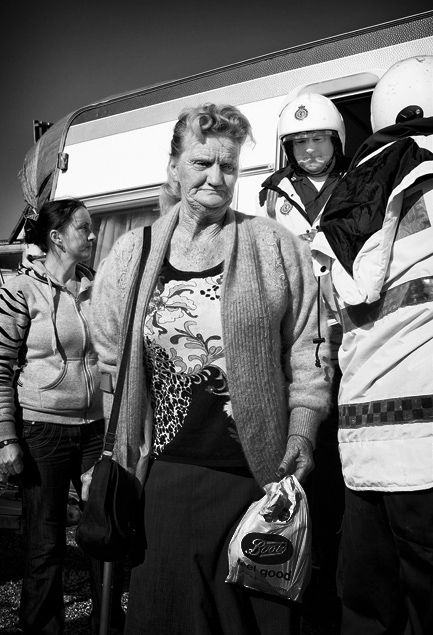
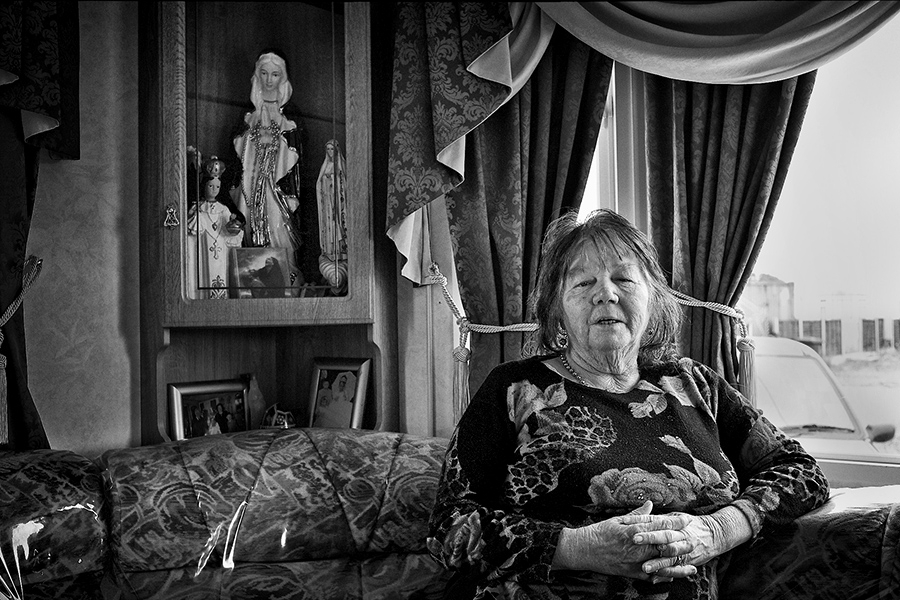
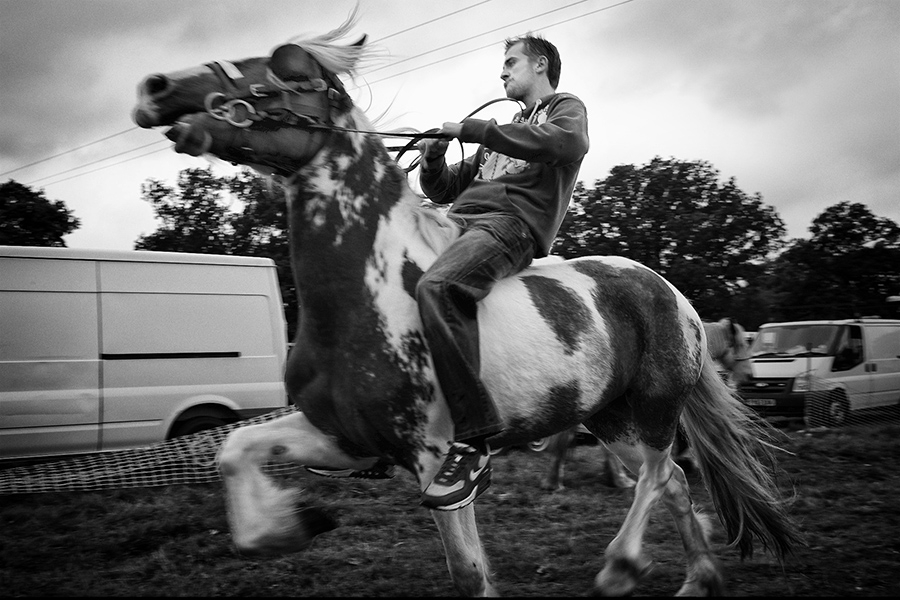
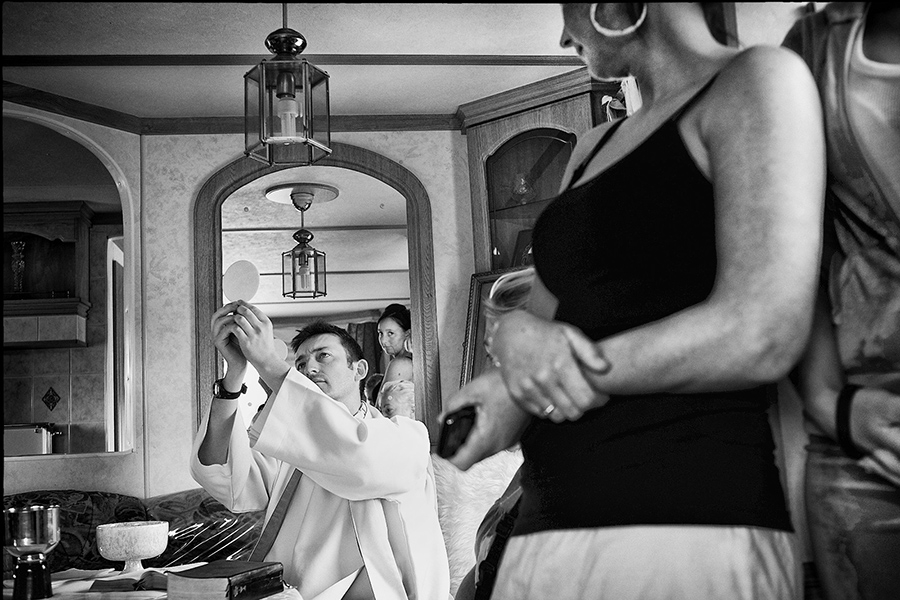
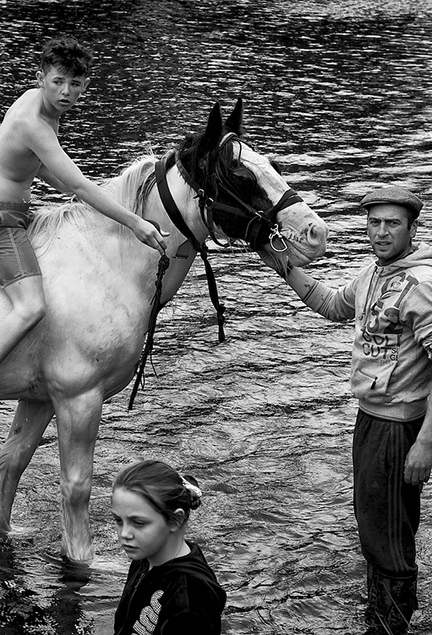
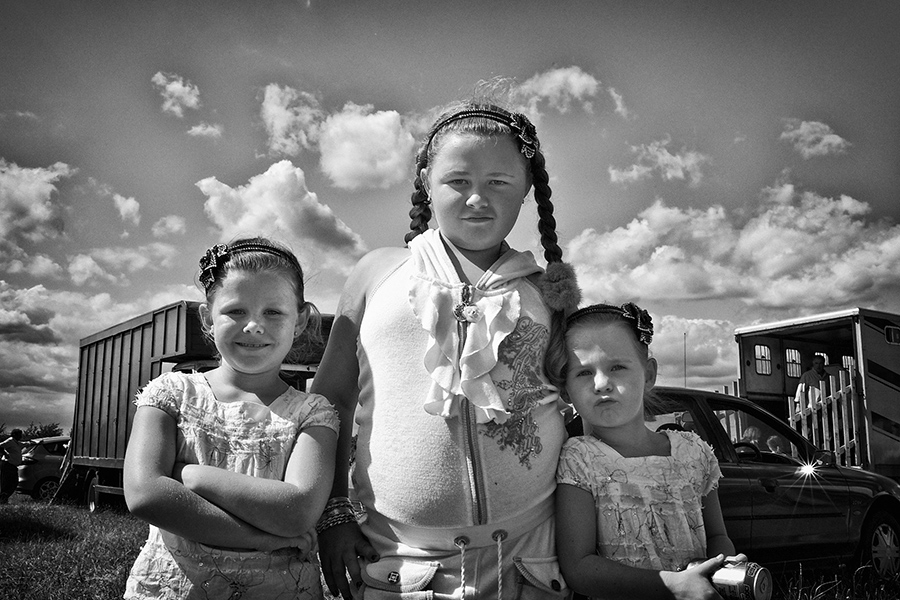
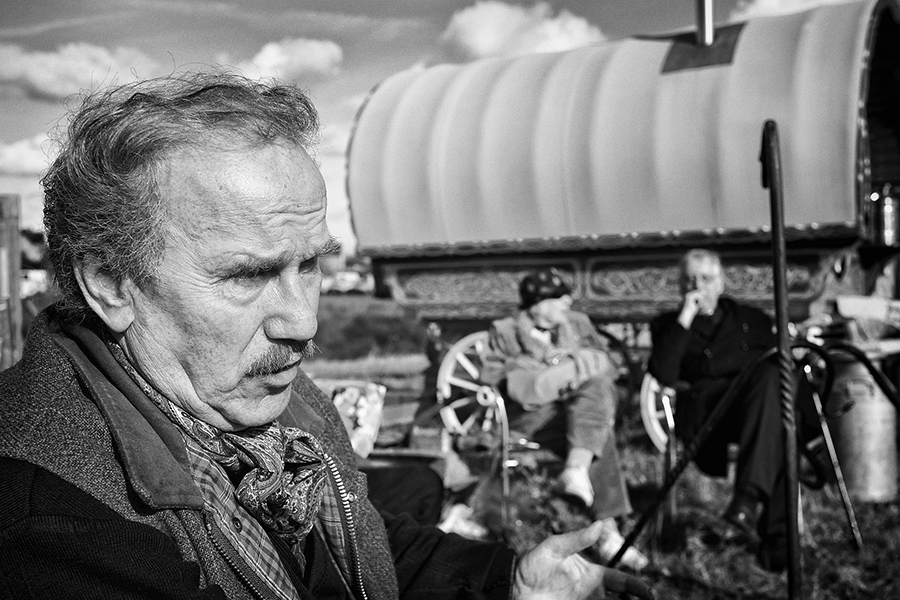
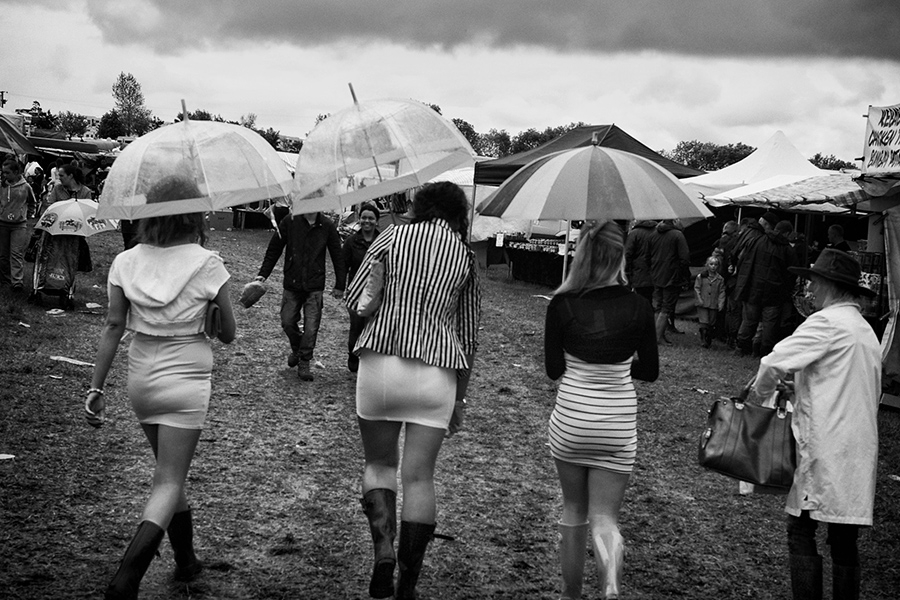
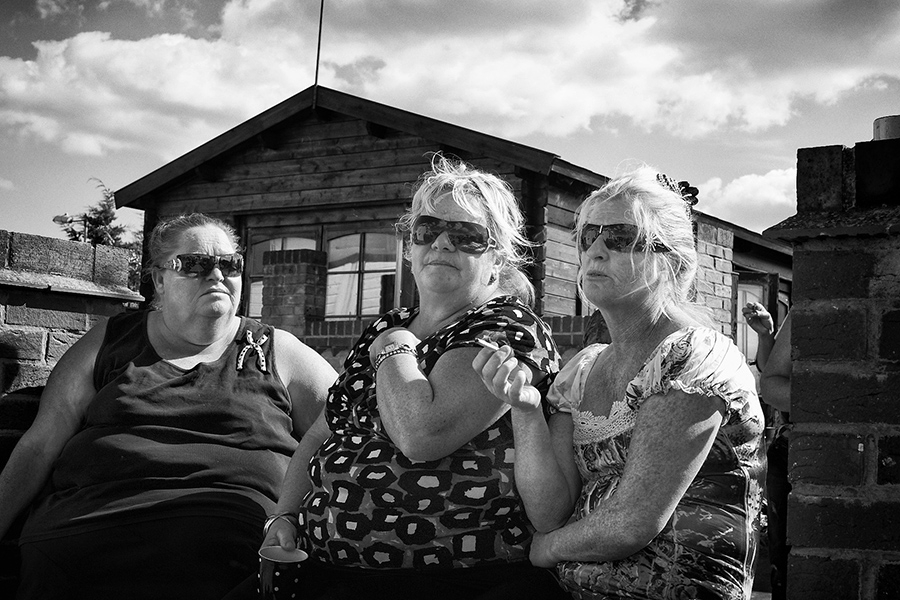
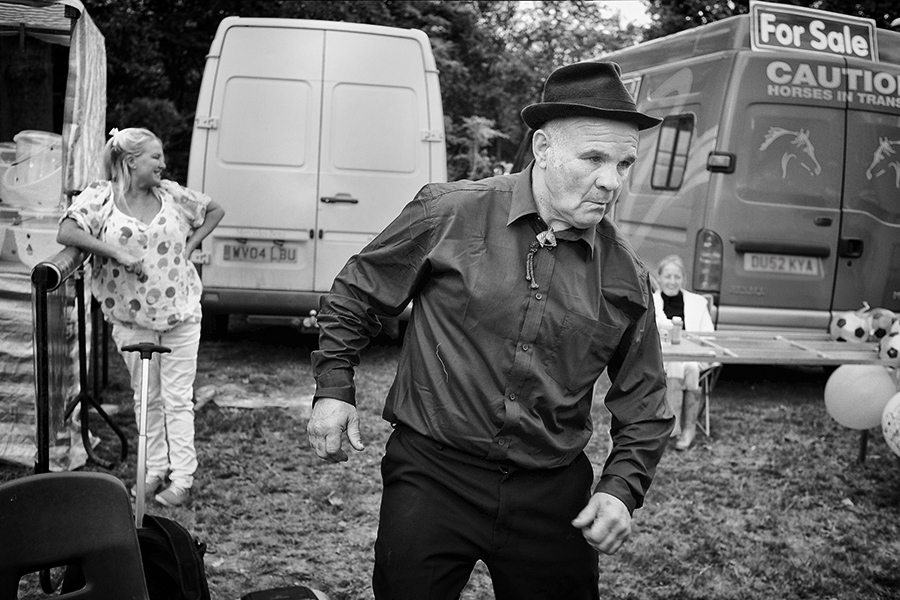
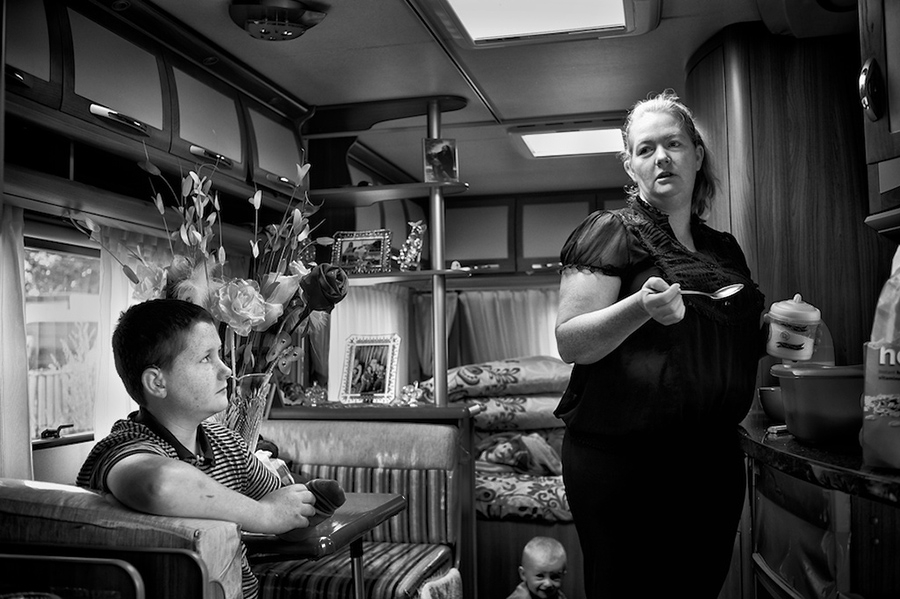
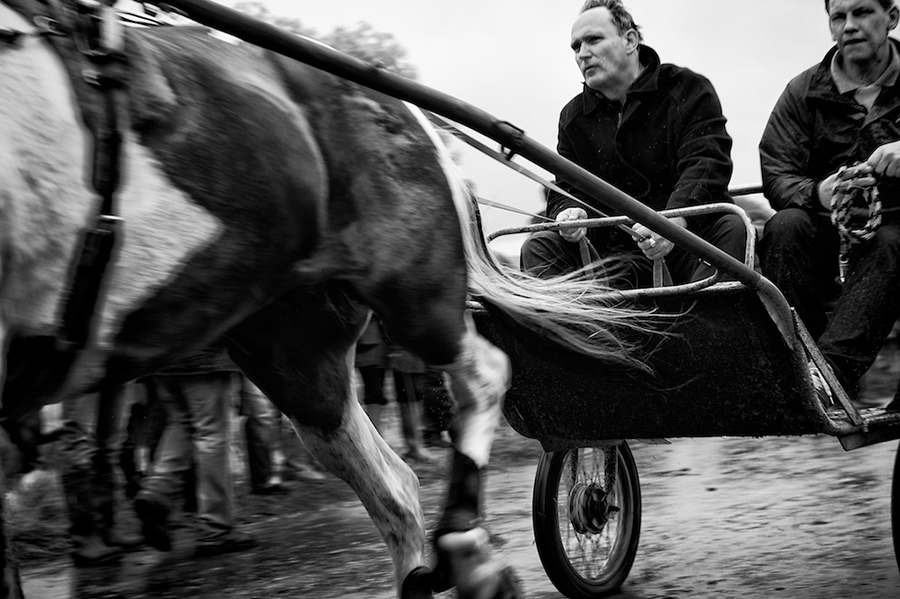
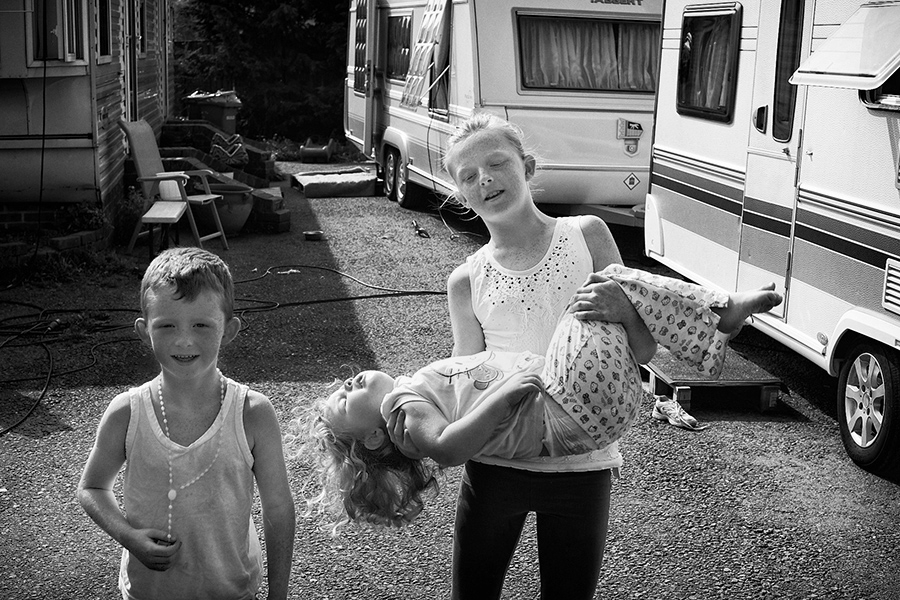
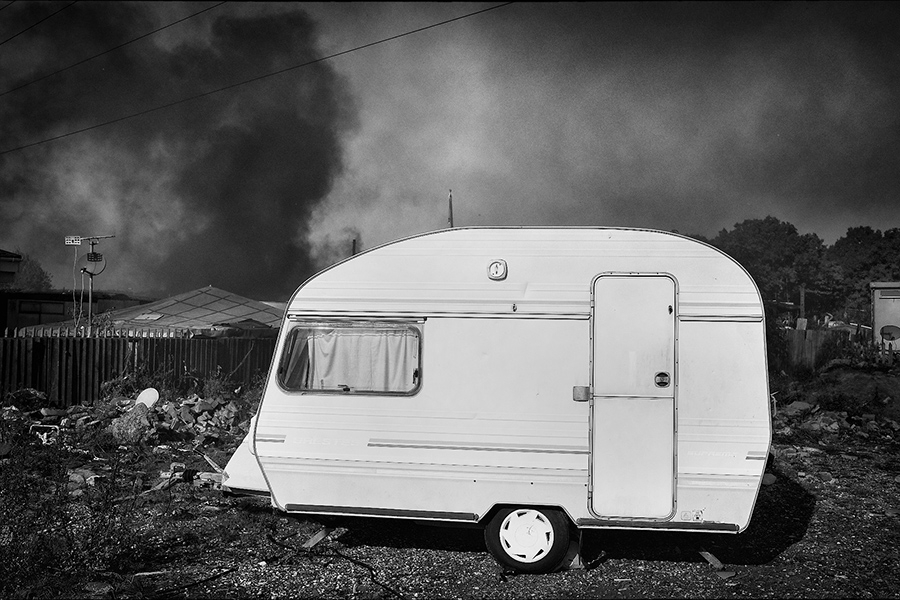
    This body of work documents a vanishing lifestyle on the British Isles: The culture of the Irish Travellers, nomadic people who originated in Ireland, but mainly live in England now. The last resort of their way of life in England is the horse fairs, especially the two most important ones: Stow-on-the-Wold and Appleby.

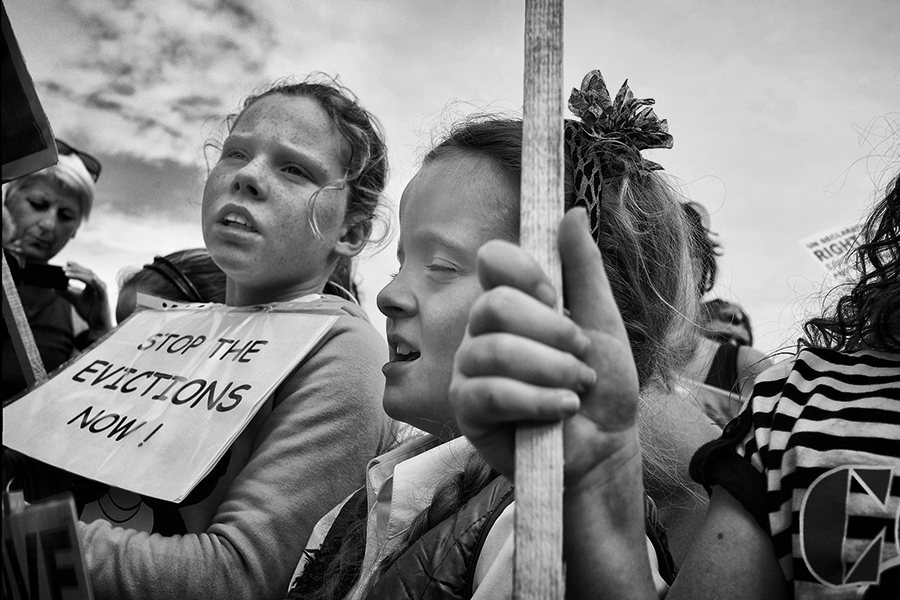
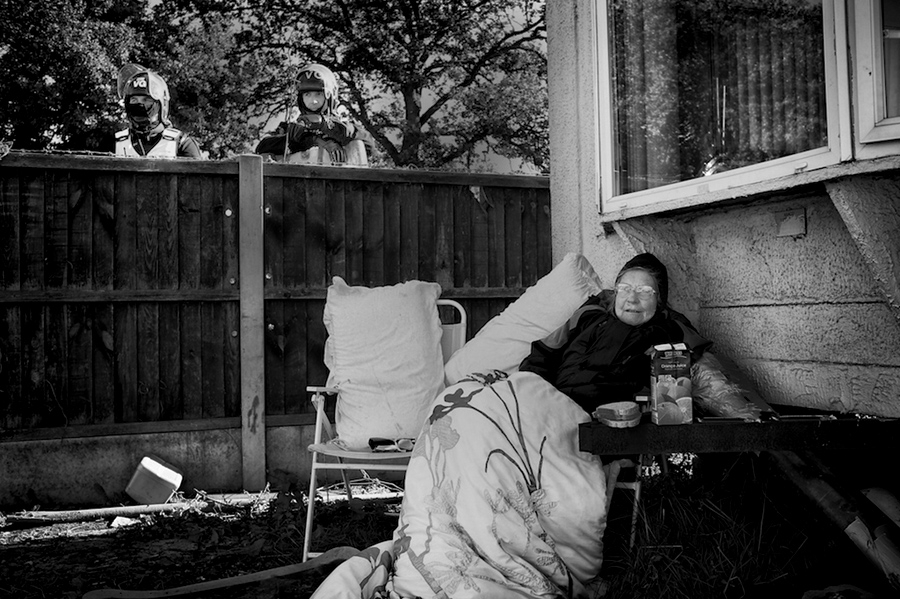
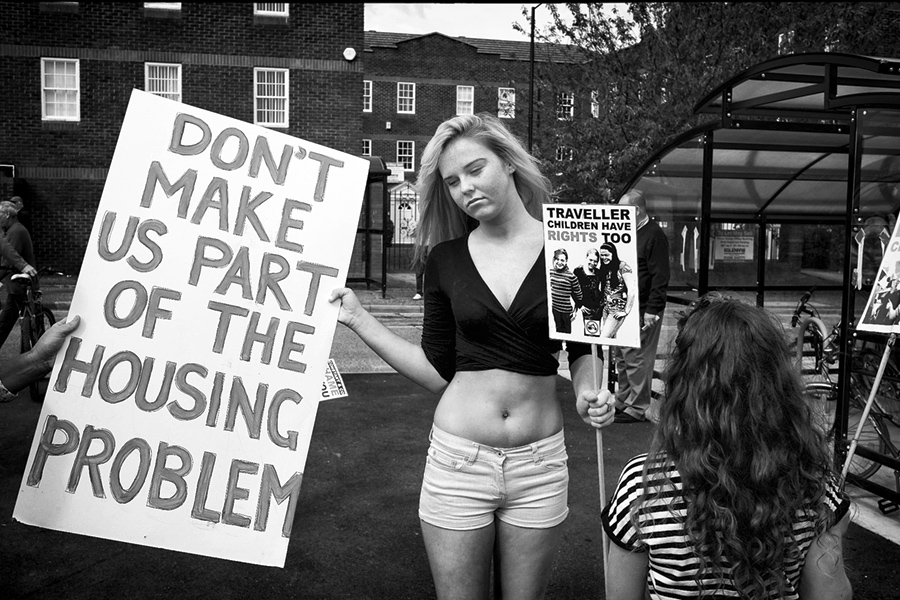
    International attention and awareness were raised in 2011 when England’s largest Travellers Camp, Dale Farm in Essex, was evicted and 80 families were sent into an uncertain future. This story shows everyday life on Dale Farm before the eviction, the eviction drama itself and the pockets of the traditional Travellers’ lifestyle, especially the horse fairs, that are much more than just trading places.

  • Matsesby Krzysztof Maniocha

    Matses

    by Krzysztof Maniocha

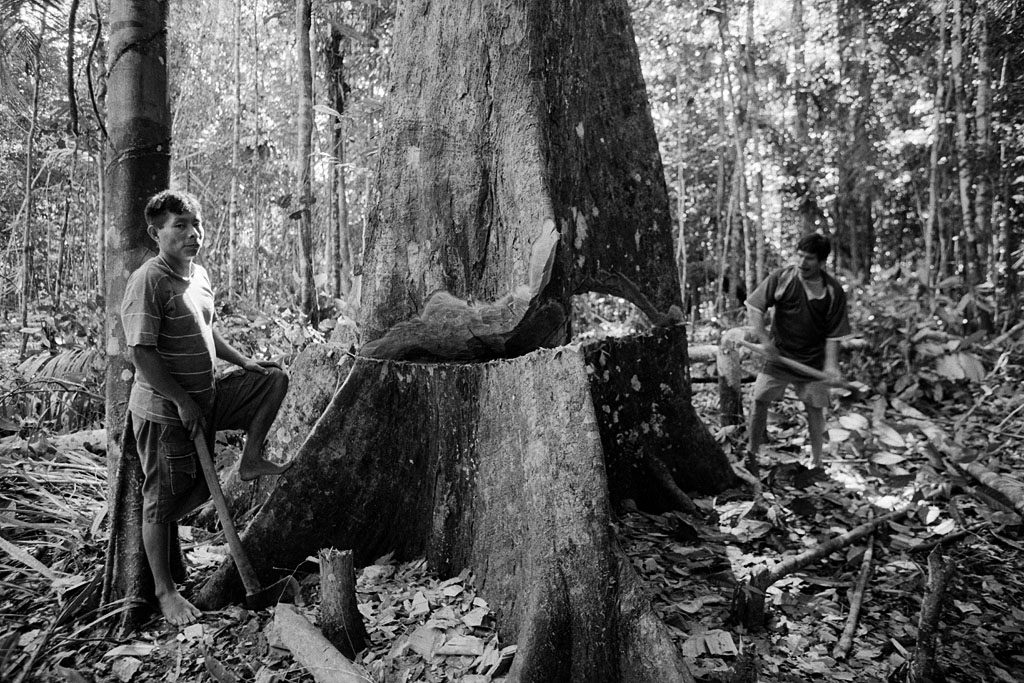
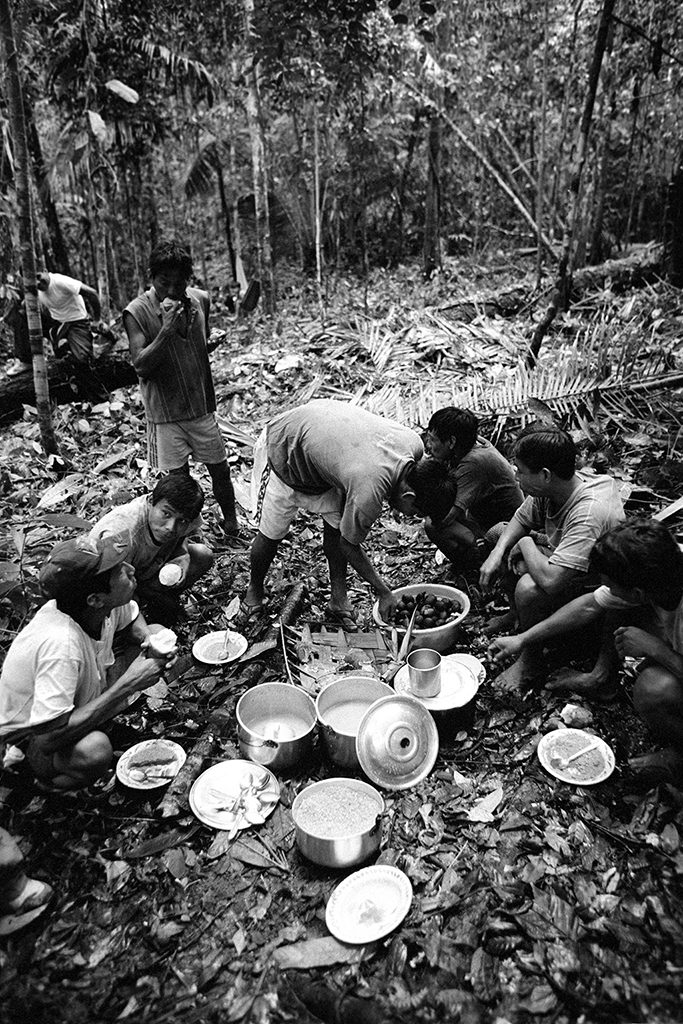
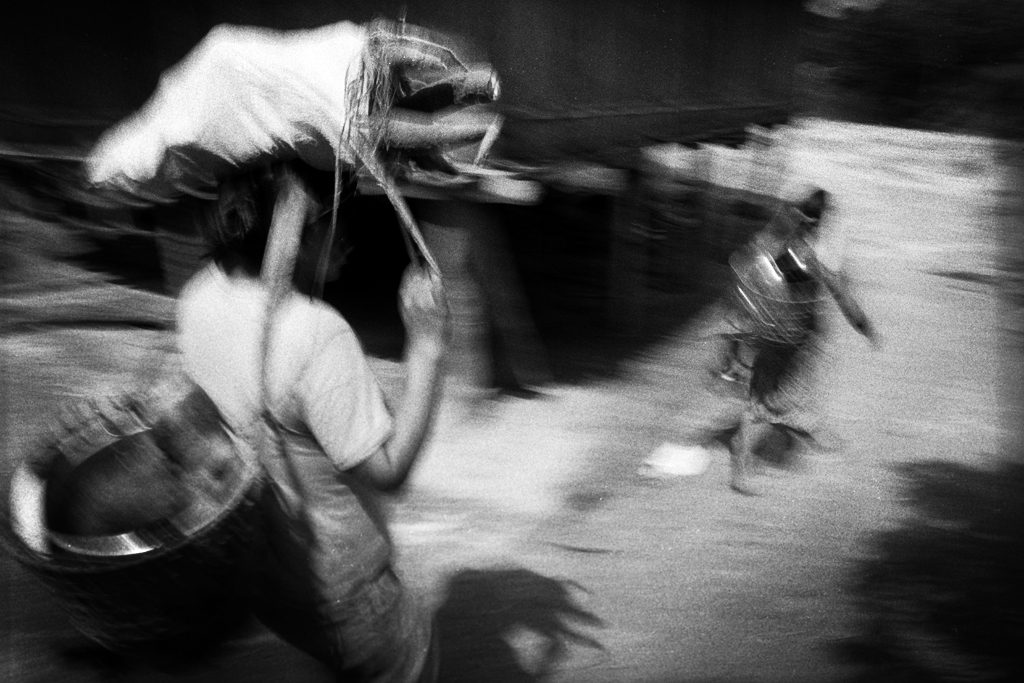
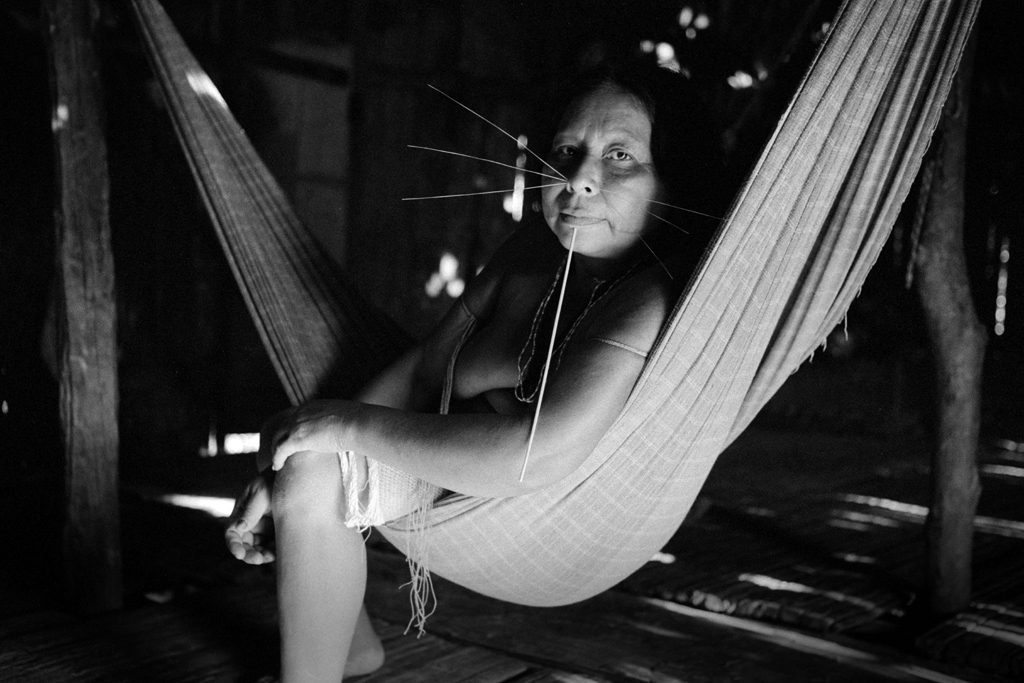
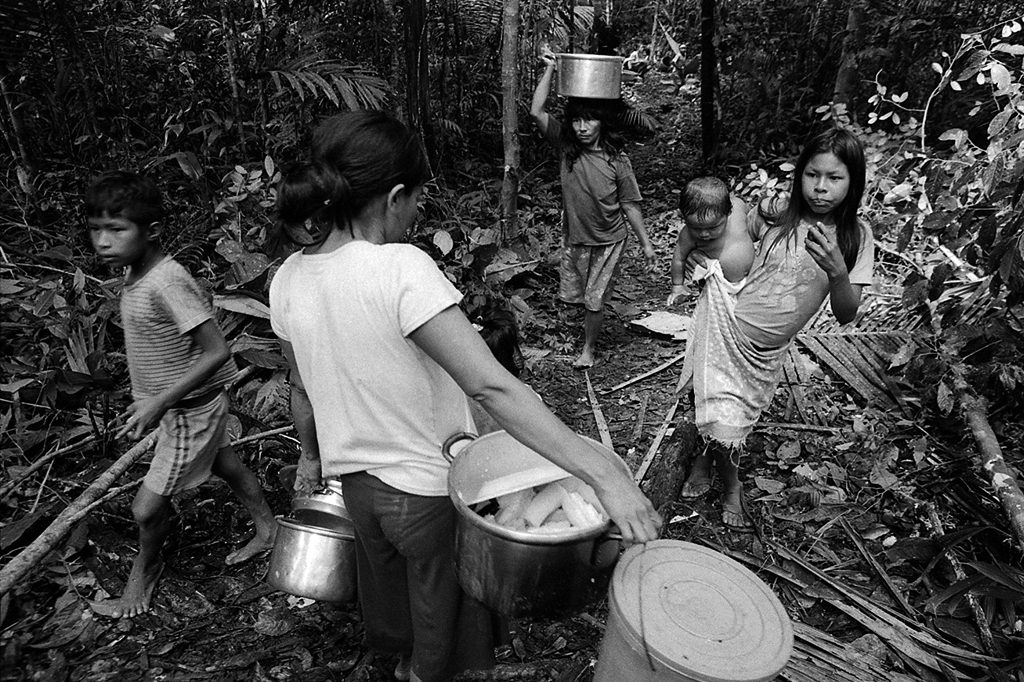
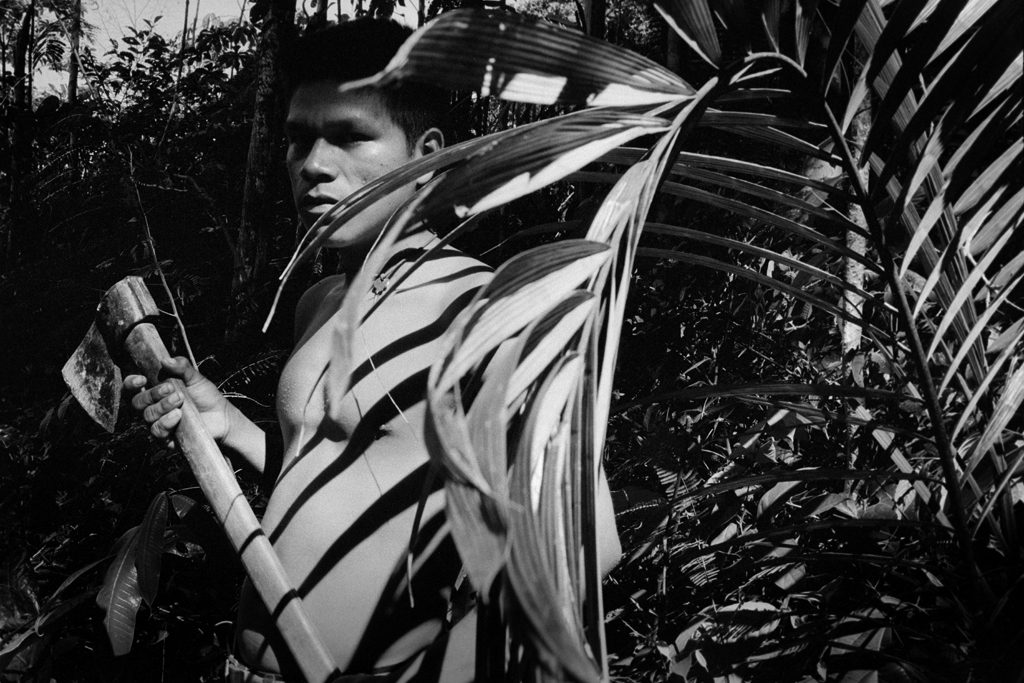
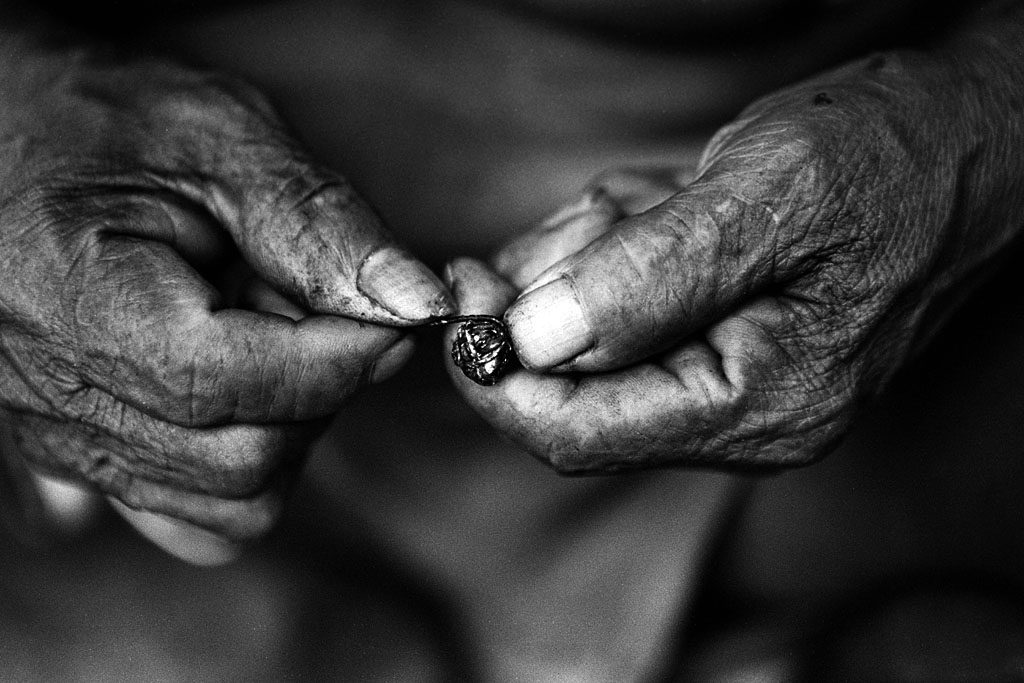
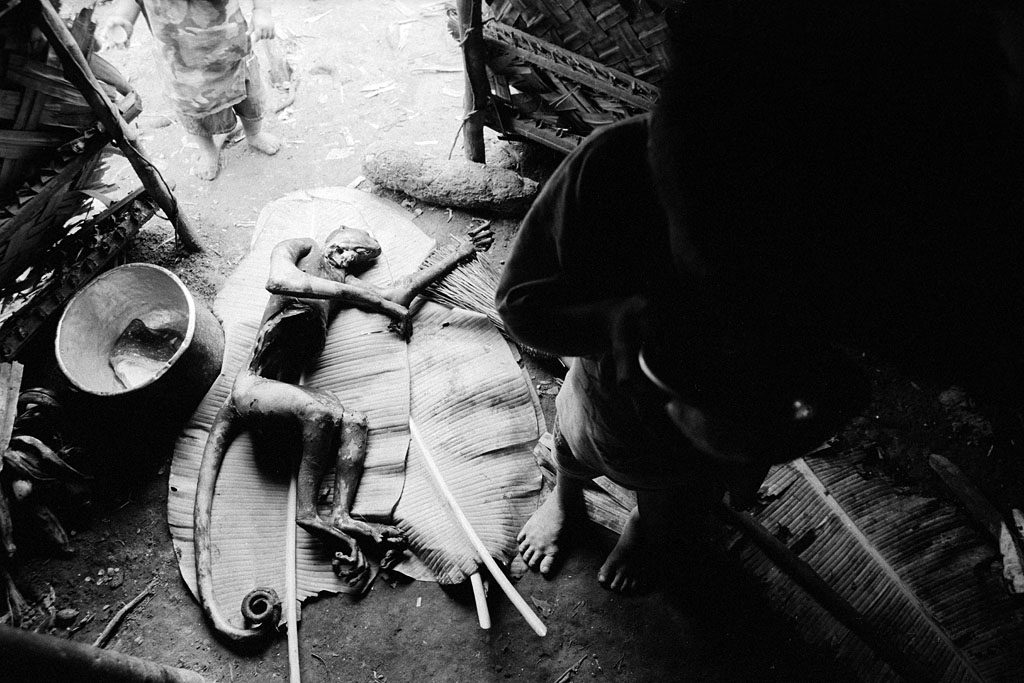
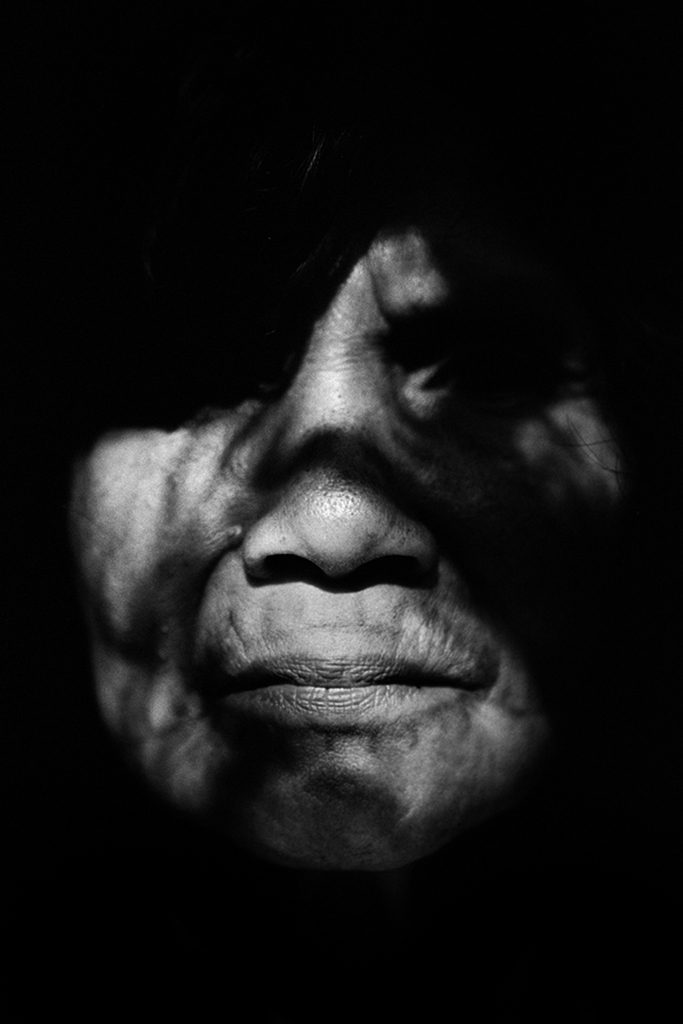
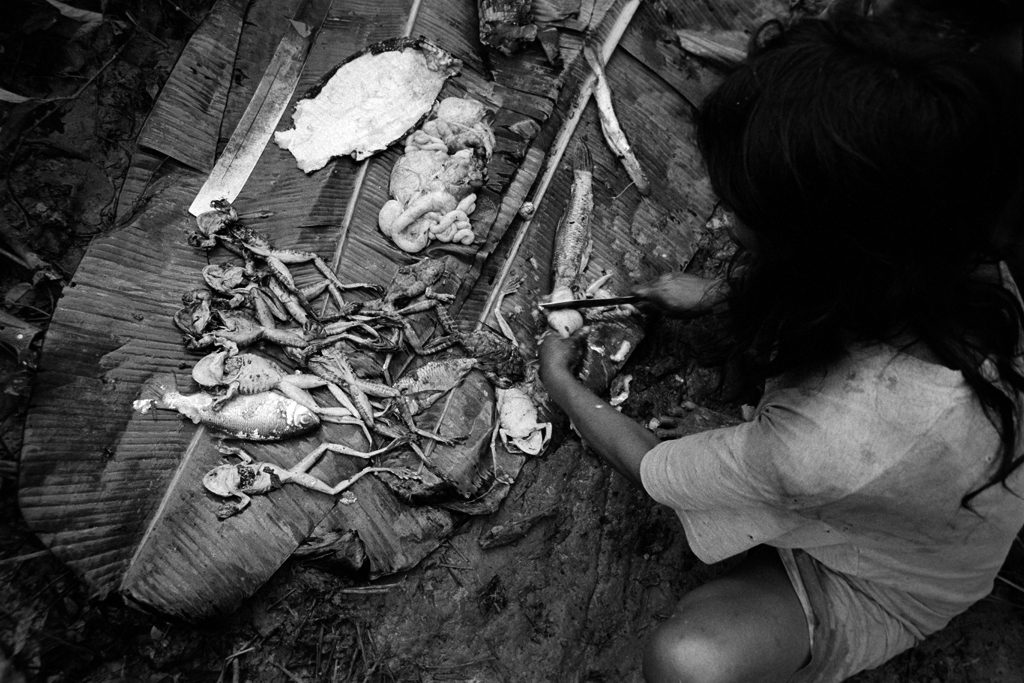
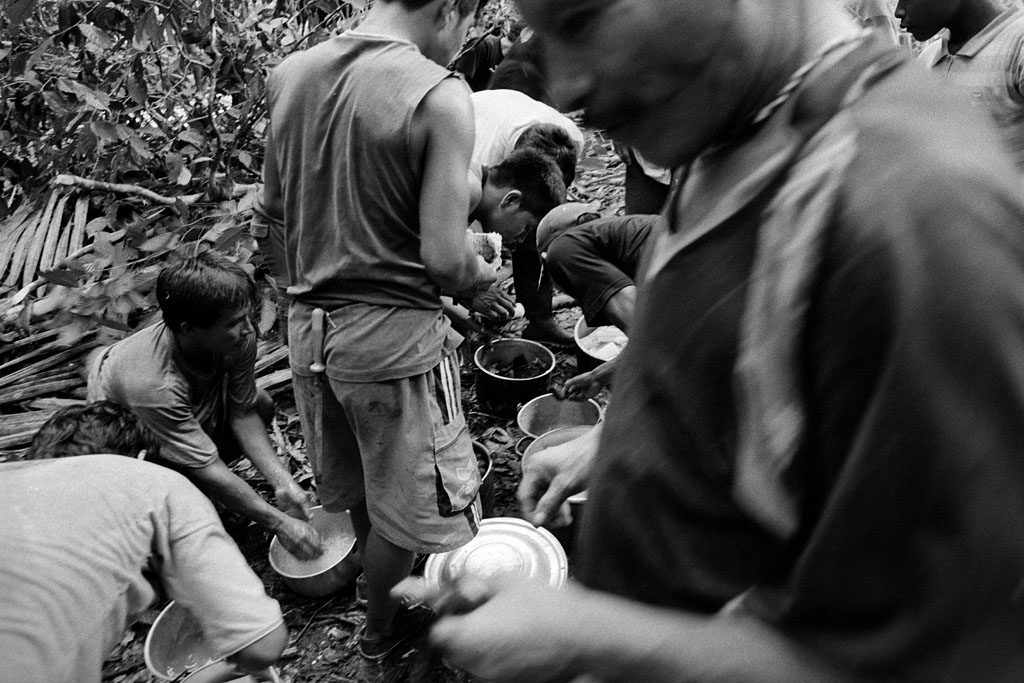
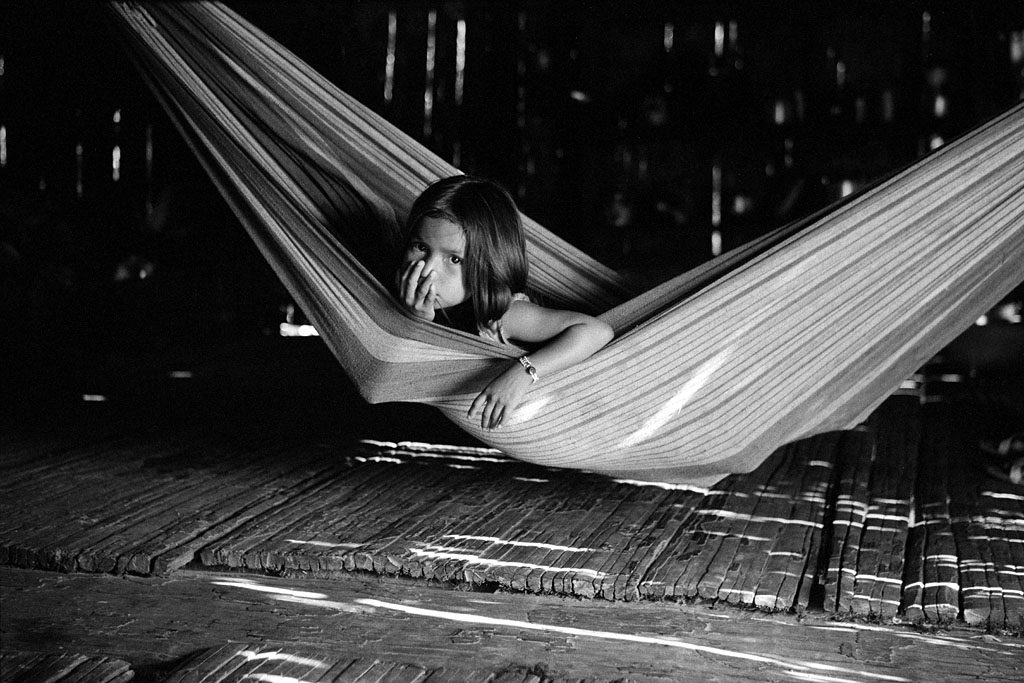
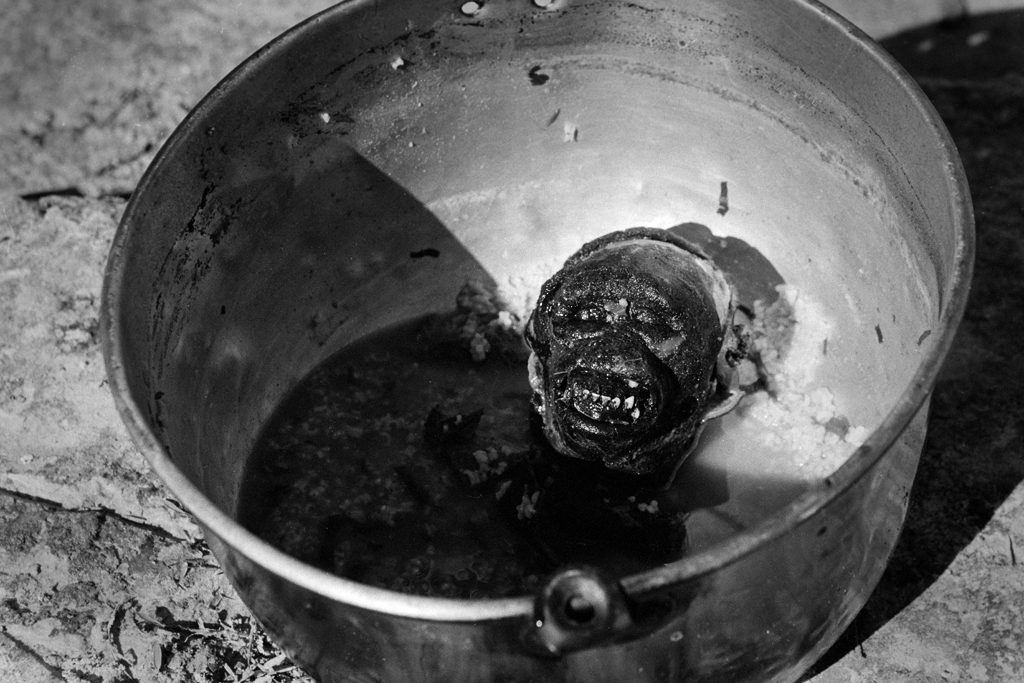
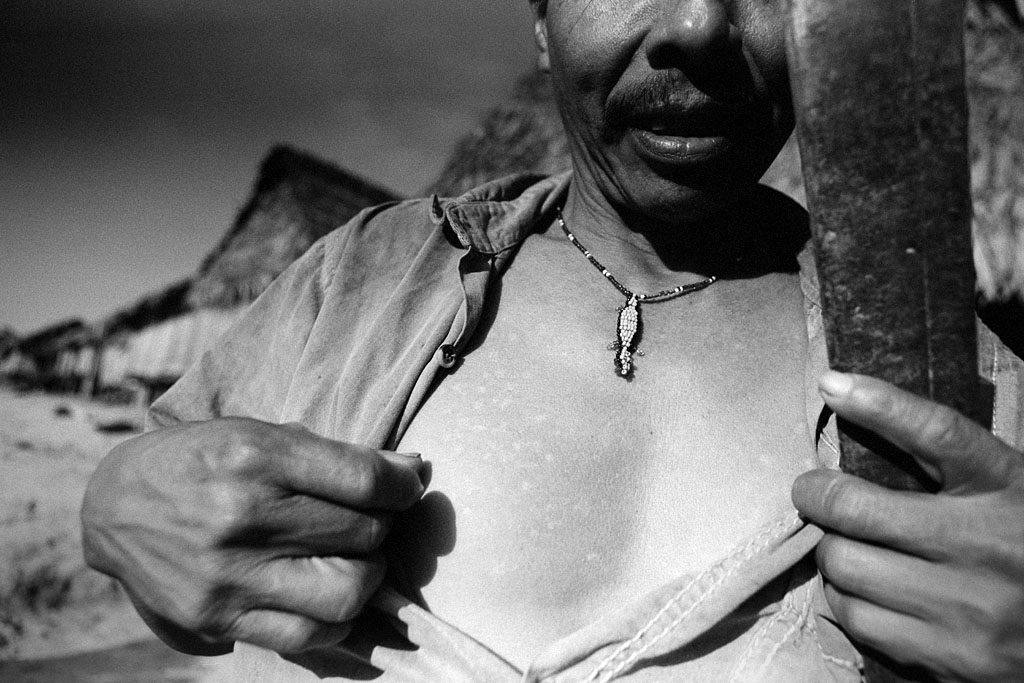
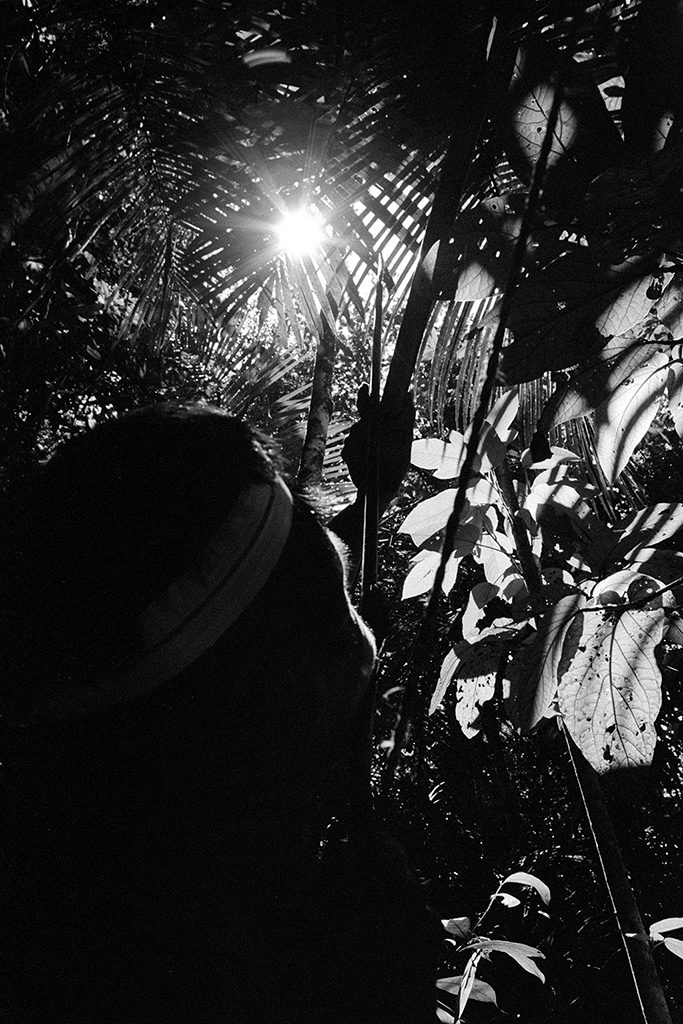
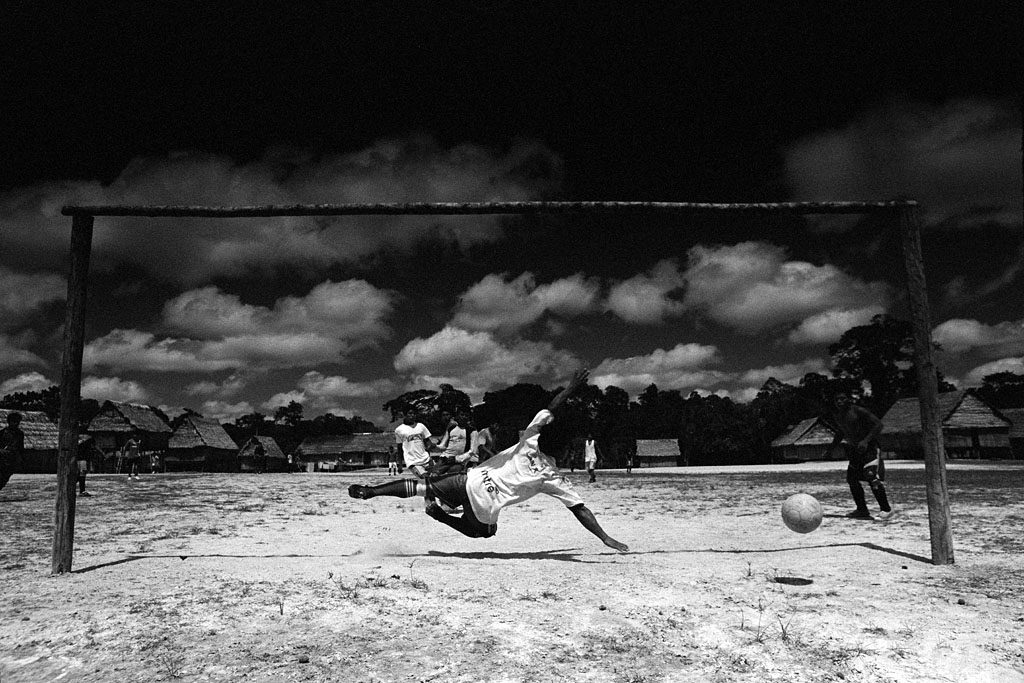
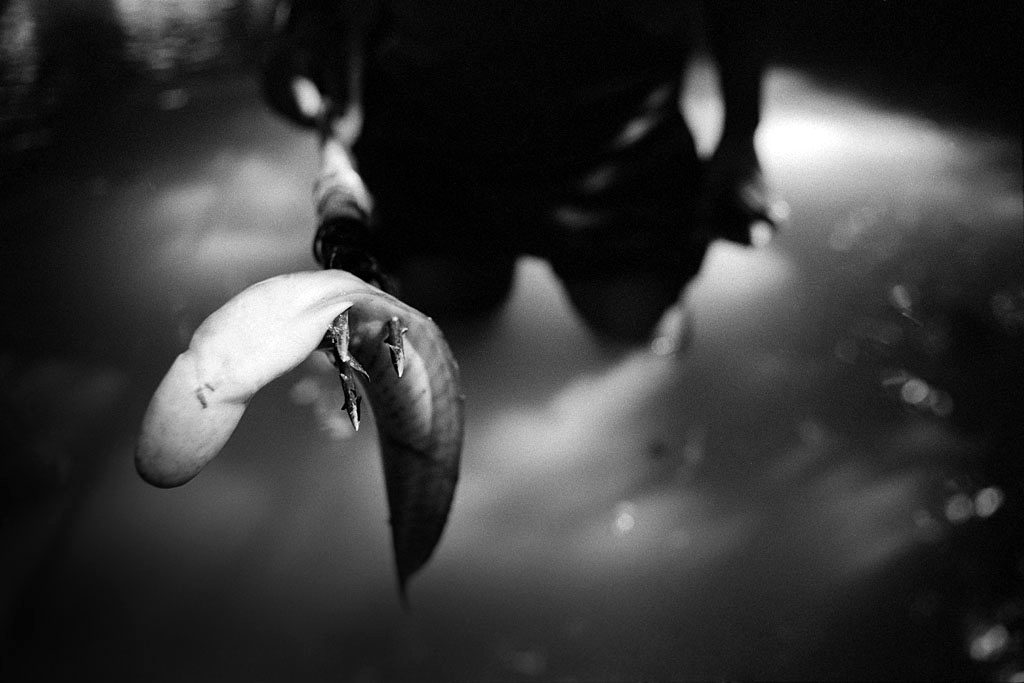
    These pictures depict the everyday life of a tribe called Matses. The Indian Matses community lives in the Amazon Jungle near the rivers Yavari, Chobayacu and Galvez which flow through Peru and Brazil. The Matses’ dialect comes from the Pano languages, however many members of the tribe speak Spanish or Portuguese. The Matses people are self-sufficient, their main food supply is fish and animal flesh which they hunt using bows or rifles, but they also farm plants such as yuka or platans.

    In the 1960s, the Matses were embroiled in a conflict with the Peruvian government which stemmed from the practice of kidnapping women from rival tribes and women from the Peruvian and Brazilian populace. This led to the aerial bombardment by government forces on Matses territory using incendiary ammunition.

    Nowadays the Indians wish to consolidate using democratic means to ensure their cultural survival. Whilst they have a president, the reality is that every village governs itself. Every man has the right to speak at tribal gatherings and decisions are made on that basis rather than the pronouncements of their president.

    The modern way of living (mobile phones with no reception, toothbrushes, radio used for communication) is mixed with the traditional way of living. Even though the Matses have been Christianised, polygamy is still practised especially amongst the older generation. There are however some aspects of their culture that are disappearing – nowadays every family lives in a separate house, in stark contrast to the communal living in the maloca where up to 100 people would reside. One way of returning to the past is during hunting, when they live in a traditional house. The Indian Matses use modern medical treatments (vaccinations, medications to cure malaria, antibiotics), however, they still gravitate towards natural medicine- they treat people by compressing plants and they use the poison of a frog to clean their bodies and spirits.

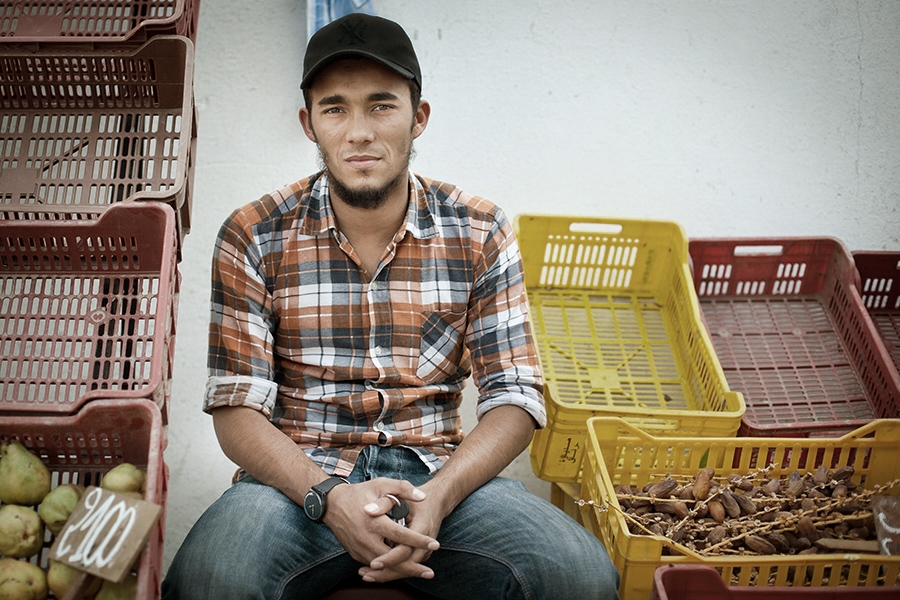
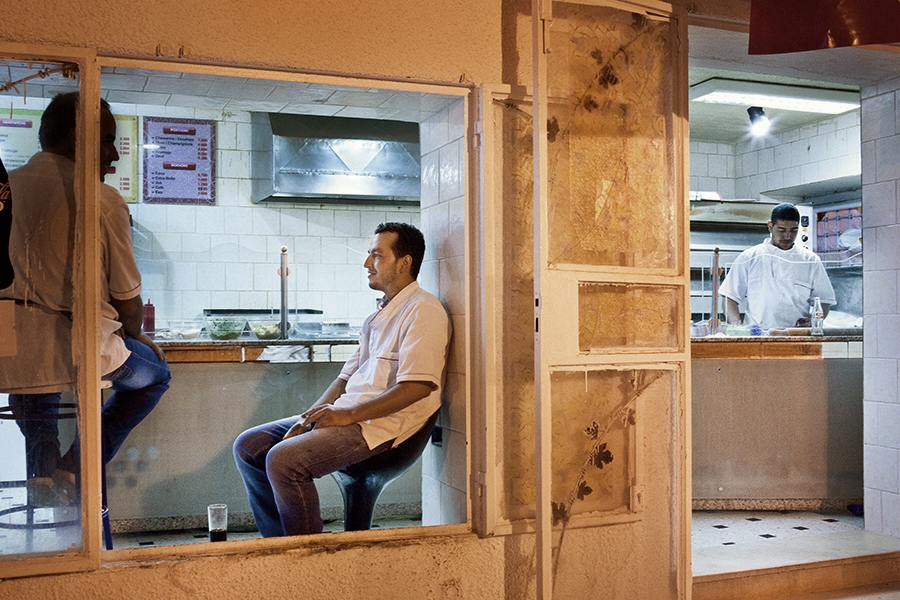
  • Lebess… Young Generation in Post – Revolution Tunisia by Tom Szustek

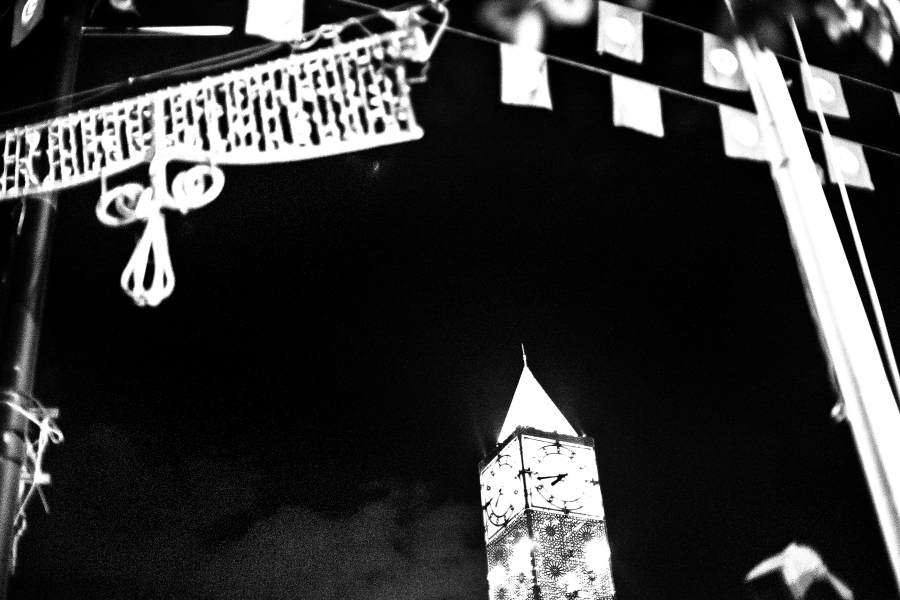
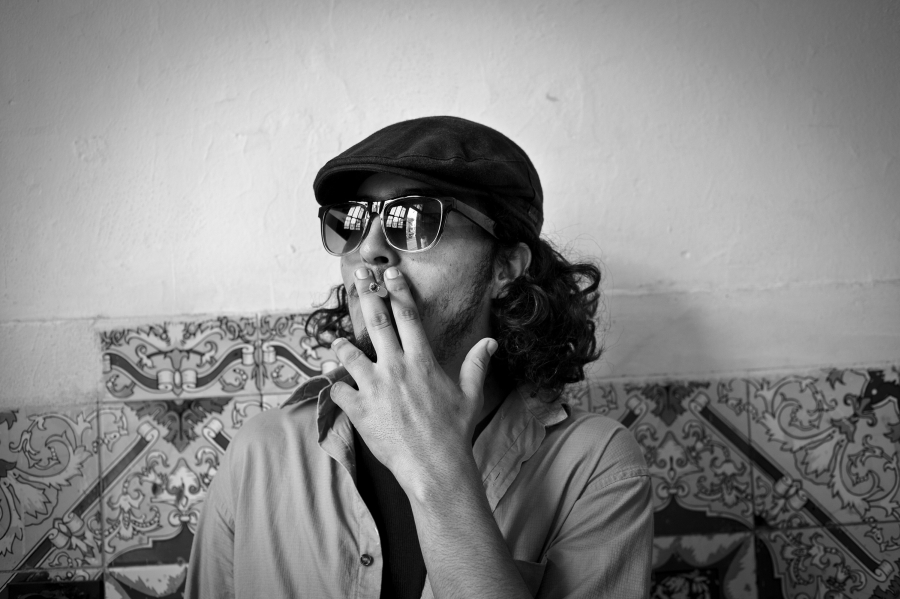
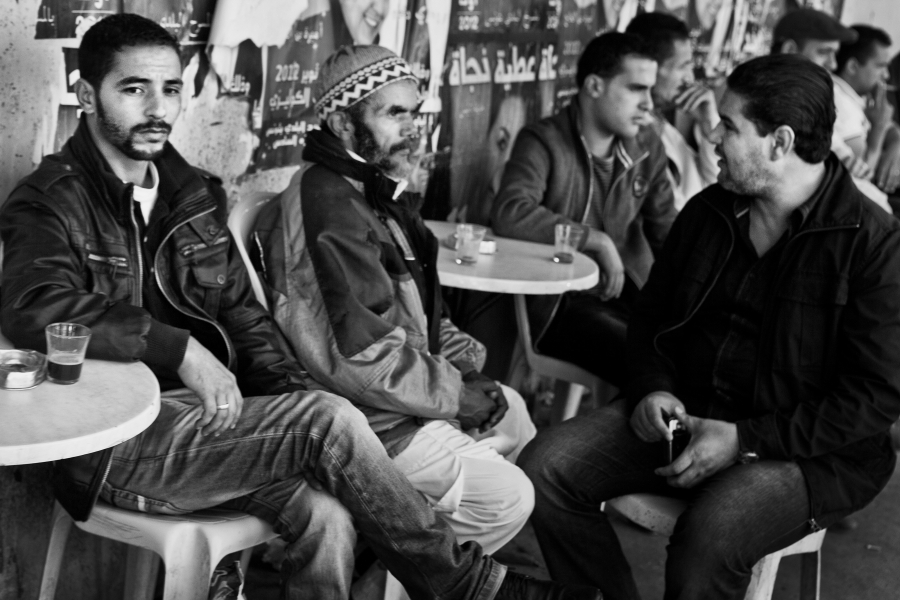
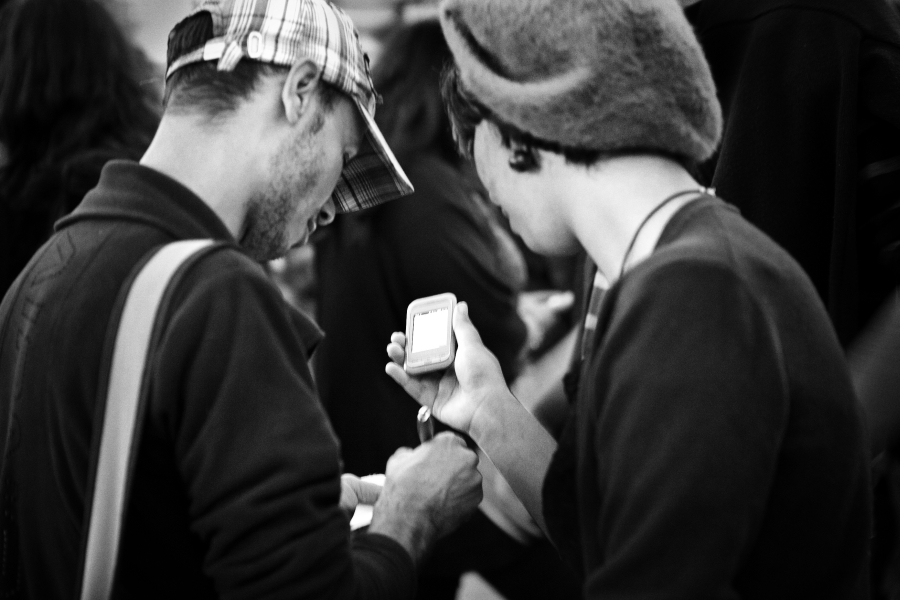
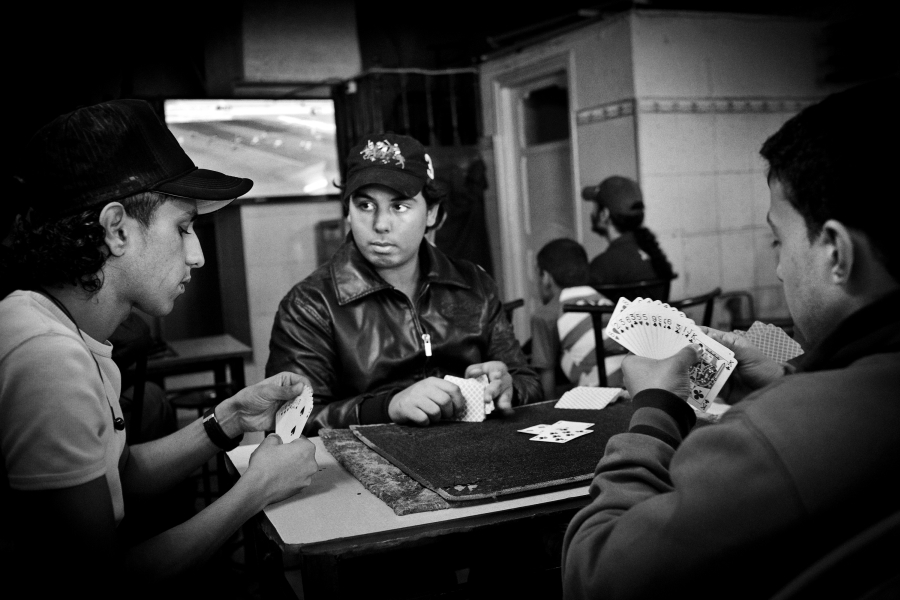
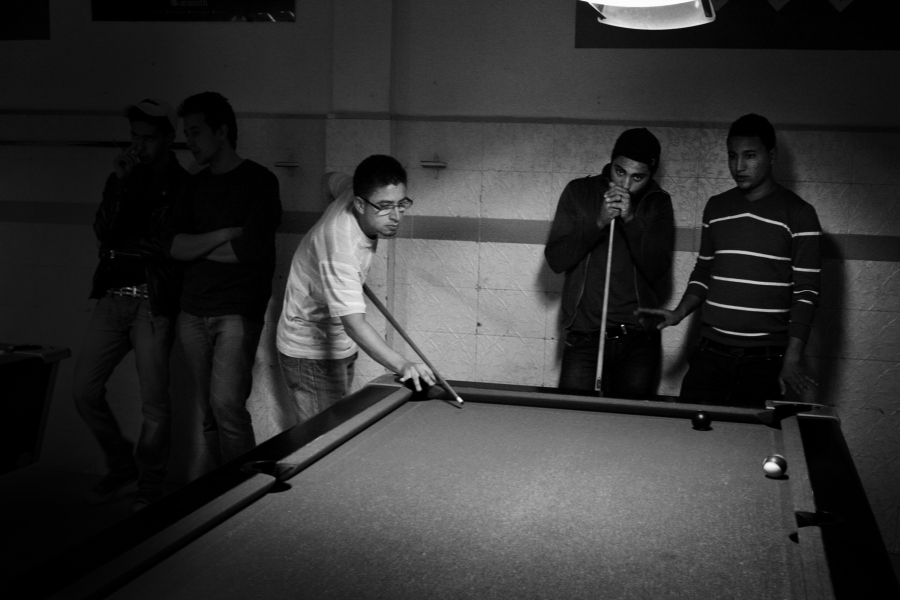
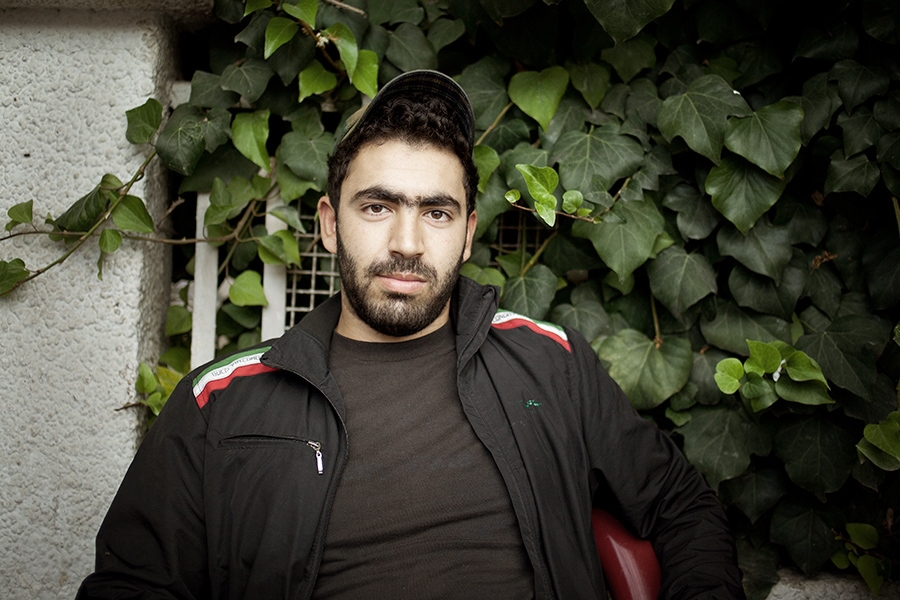
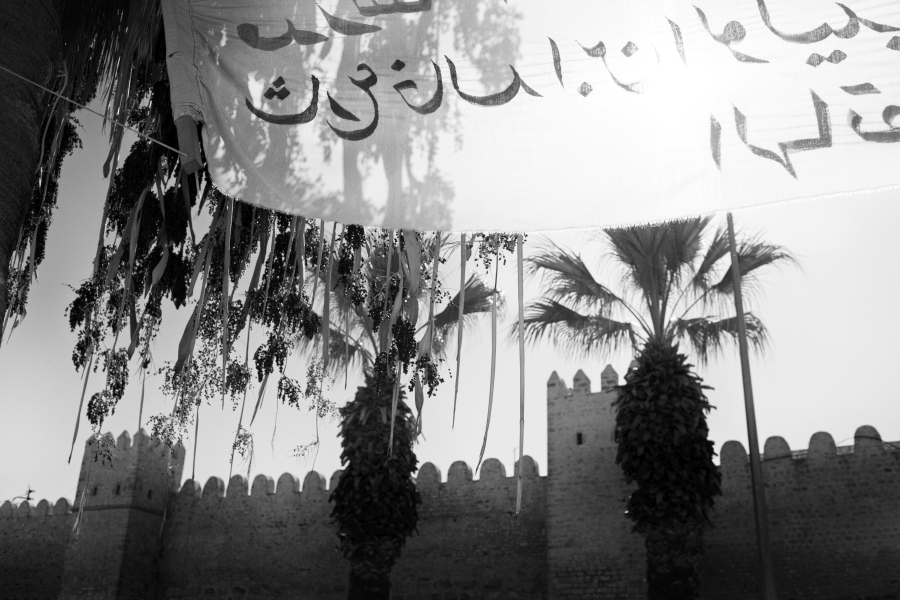
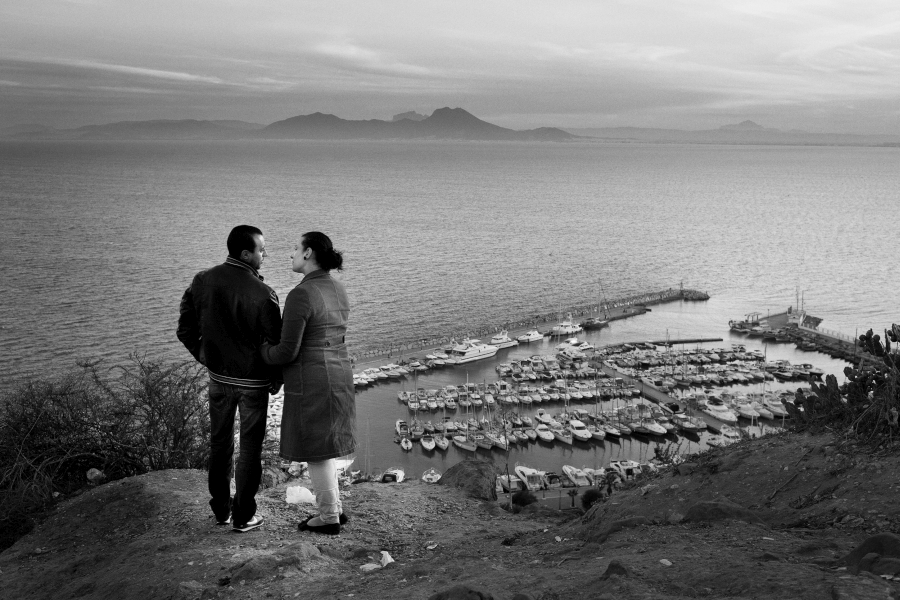
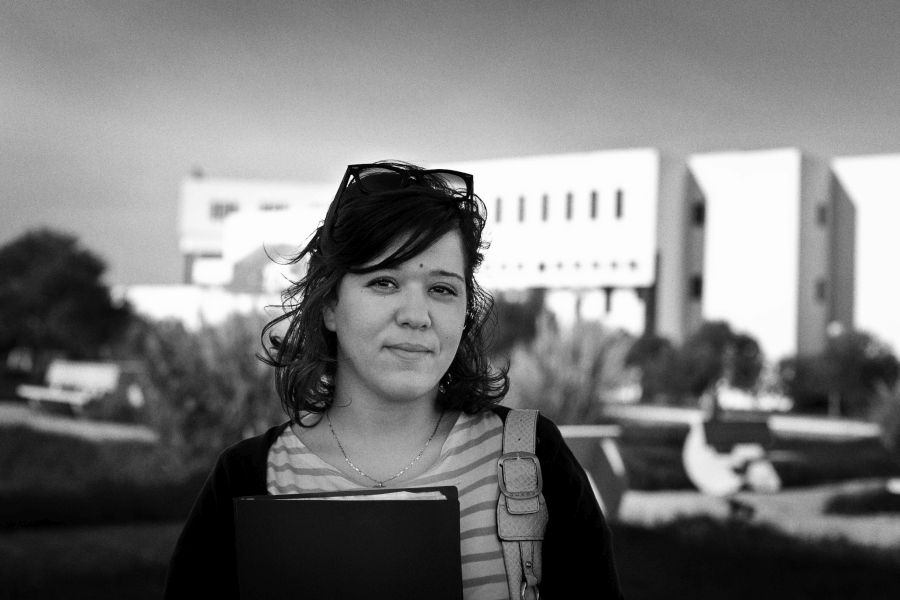
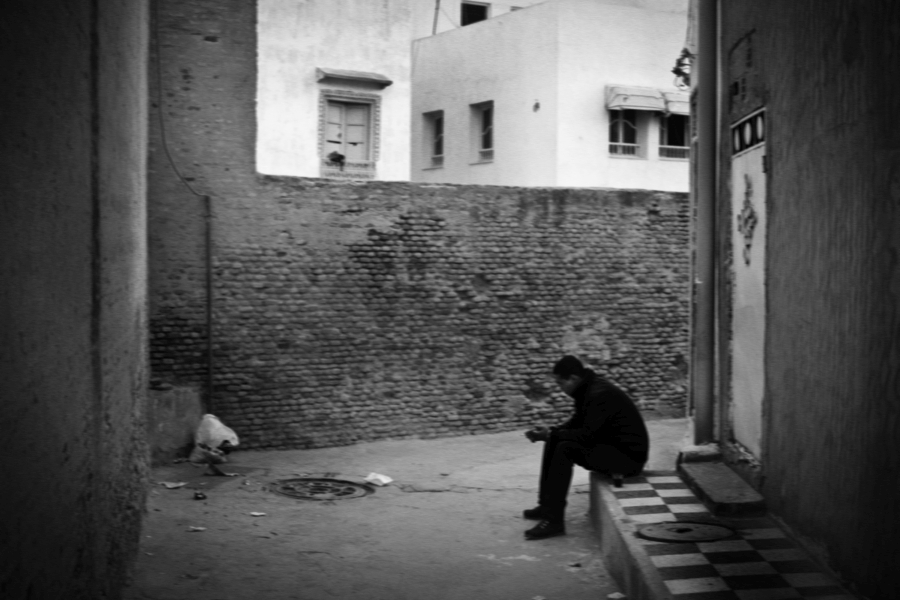
    Lebess… Young Generation in Post – Revolution Tunisia

    by Tom Szustek

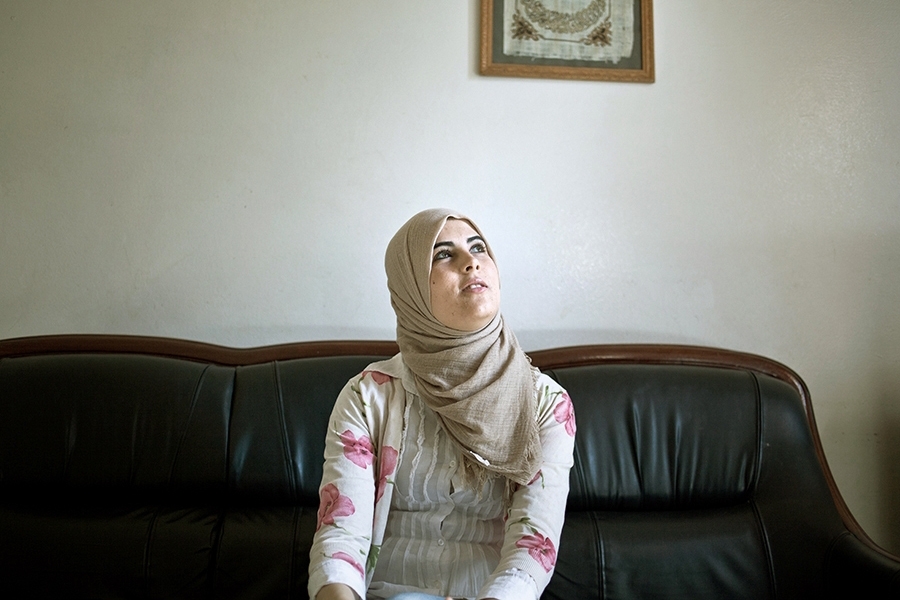
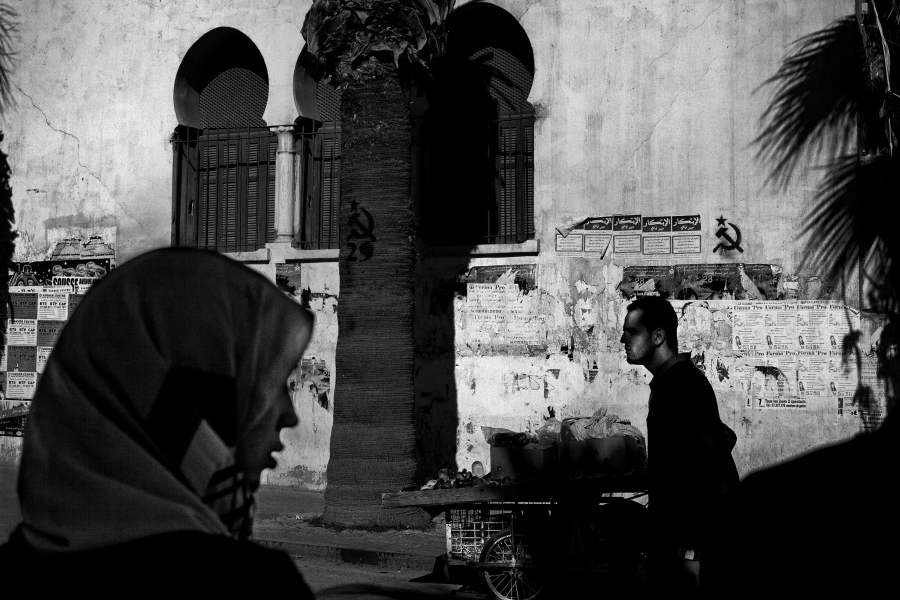
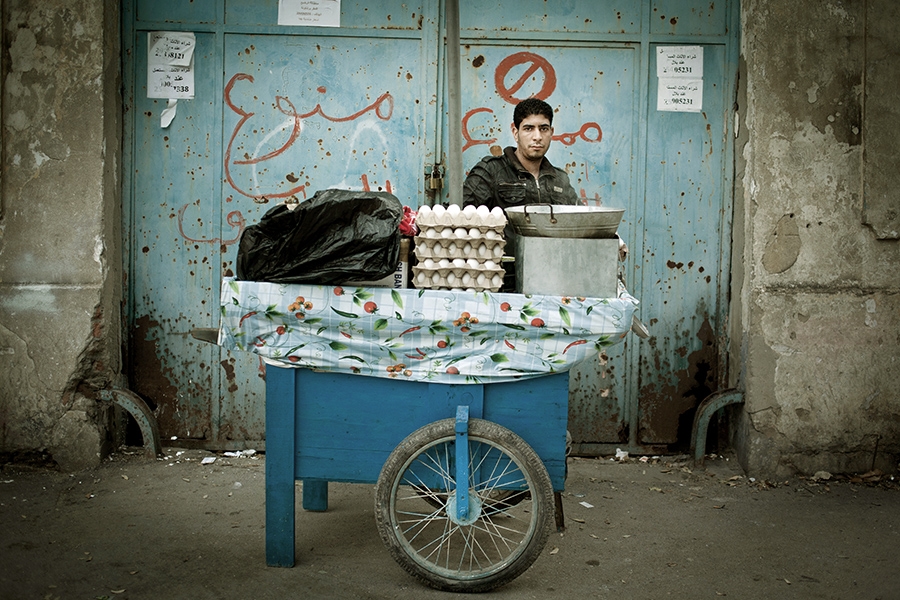
    Dramatic and deep changes which have rolled through Tunisia after 2011’s revolution overturned the political, social and economic life in the country.

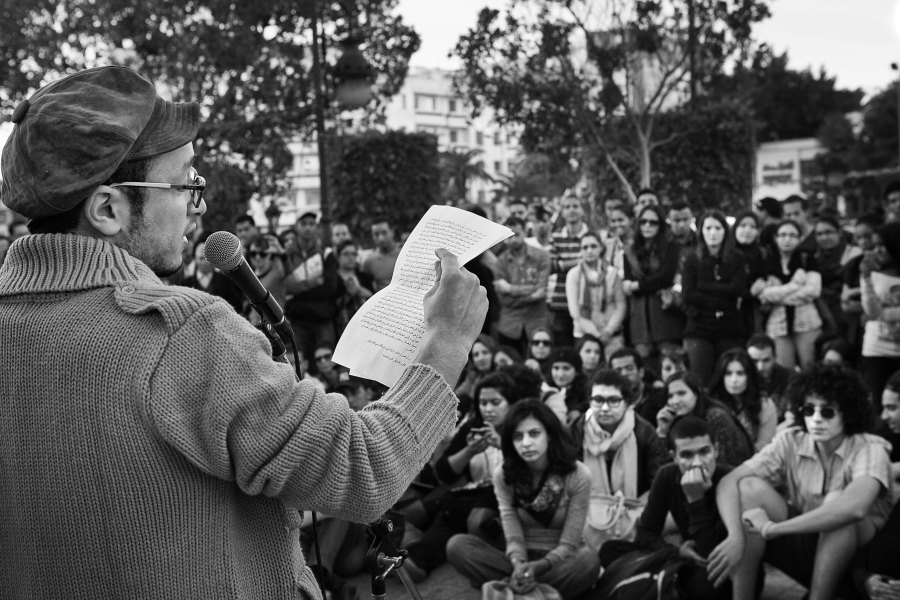
    How did the young generation find themselves in a new situation? Hopes are mixed with disappointments. While most of the young women and men are optimistic, a few pessimistic voices can be heard as well.

    “Lebess” is a popular answer for “How’re you today” and means “fine”. That’s the common answer on daily basis but how will it be in a few years time?

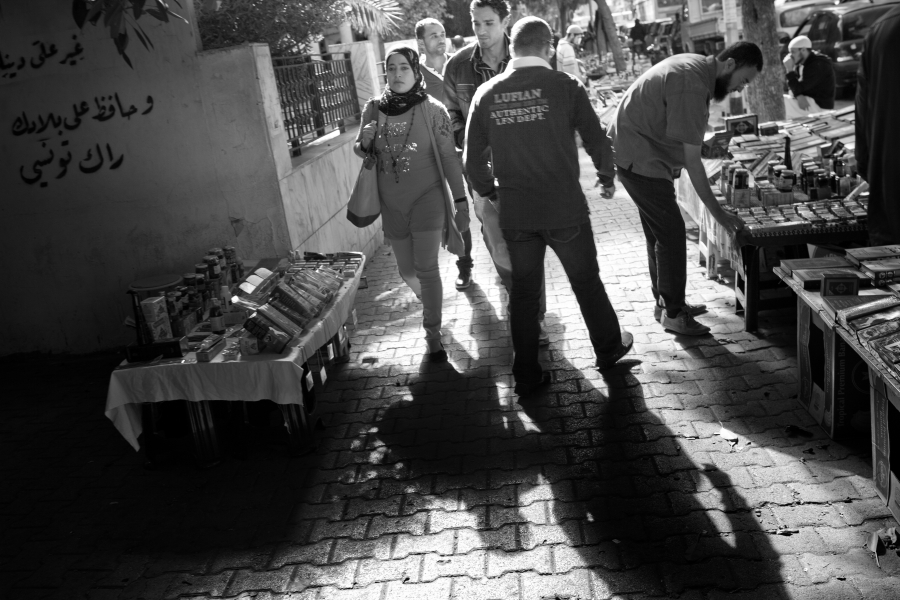
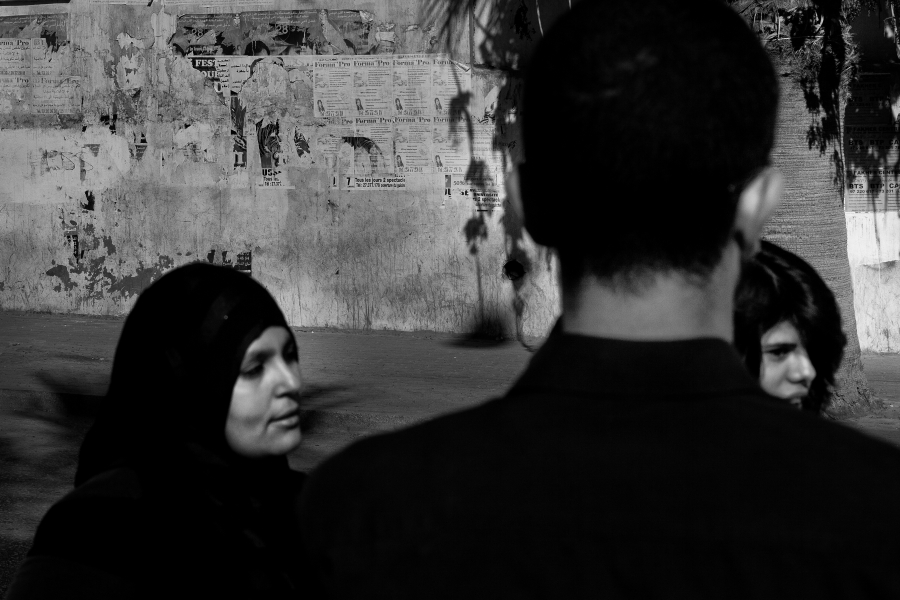
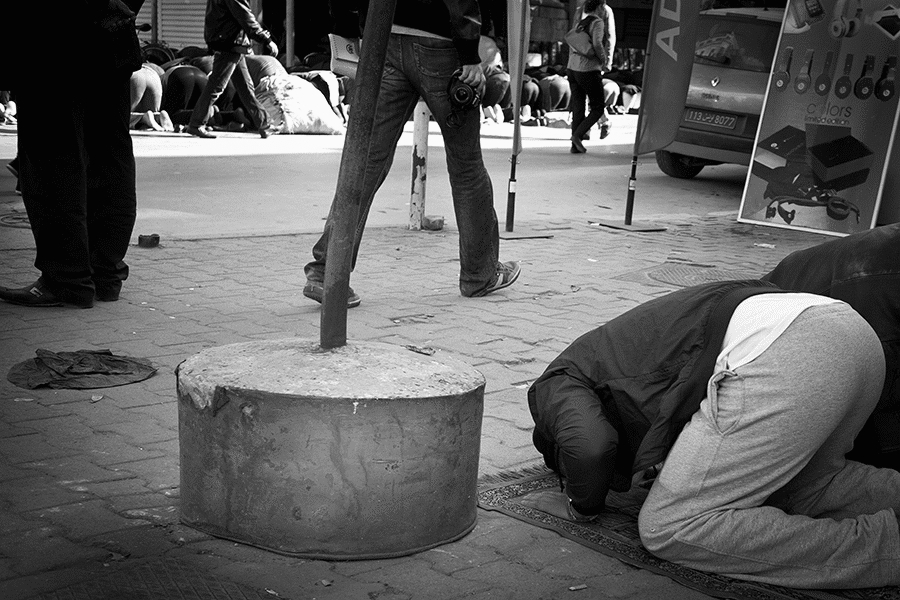
    Political and economic instability combined with recent incidents caused by violent Salafists- radical Islamist group – undermined the feeling of great relief and excitement which was common right after the revolution. The countryside which is already under the great influence of Salafi movement and cosmopolitan, westernized big cities like Tunis
    and Sousse need to find a way for a peaceful coexisting to ensure stable development. Is it possible? The political experts share different views on the Tunisian future – from Islamist state to Western-style democracy.

  • Myanmar. Beauty Beyond the Sufferingby Norma Manly

    Myanmar. Beauty Beyond the Suffering

    by Norma Manly

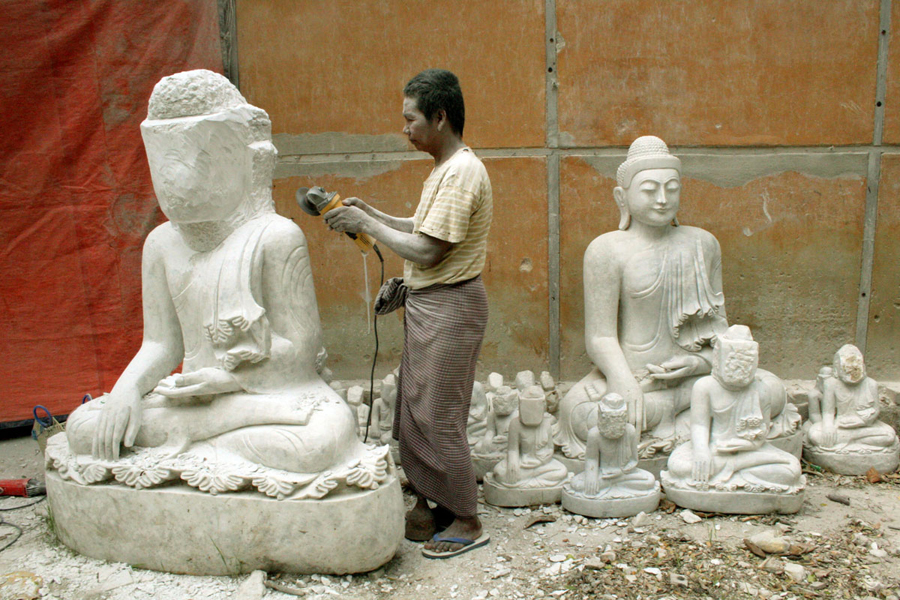
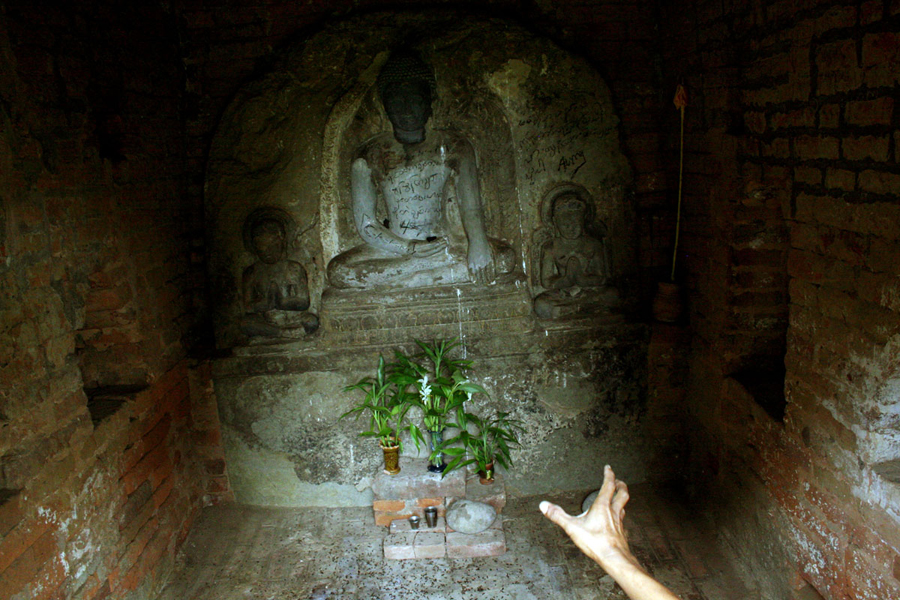
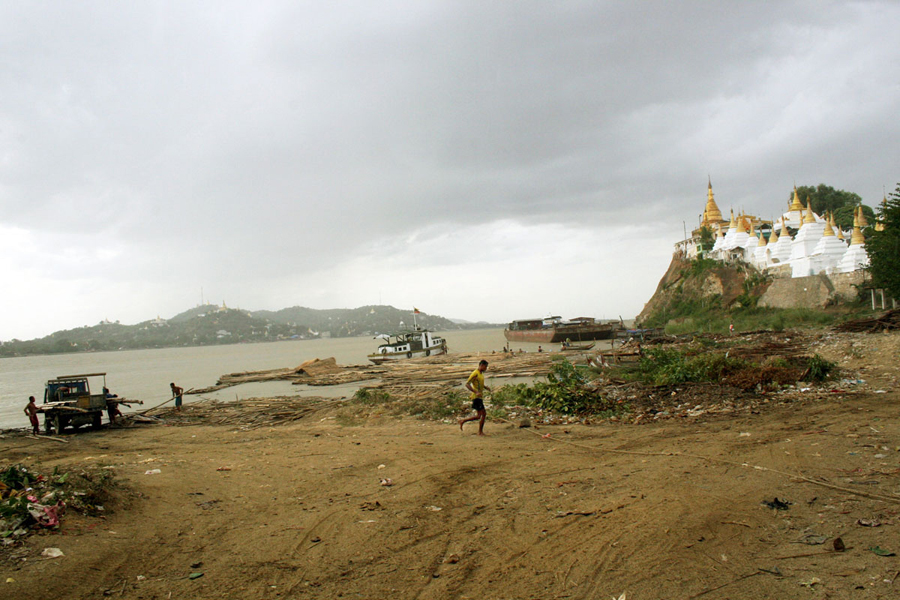
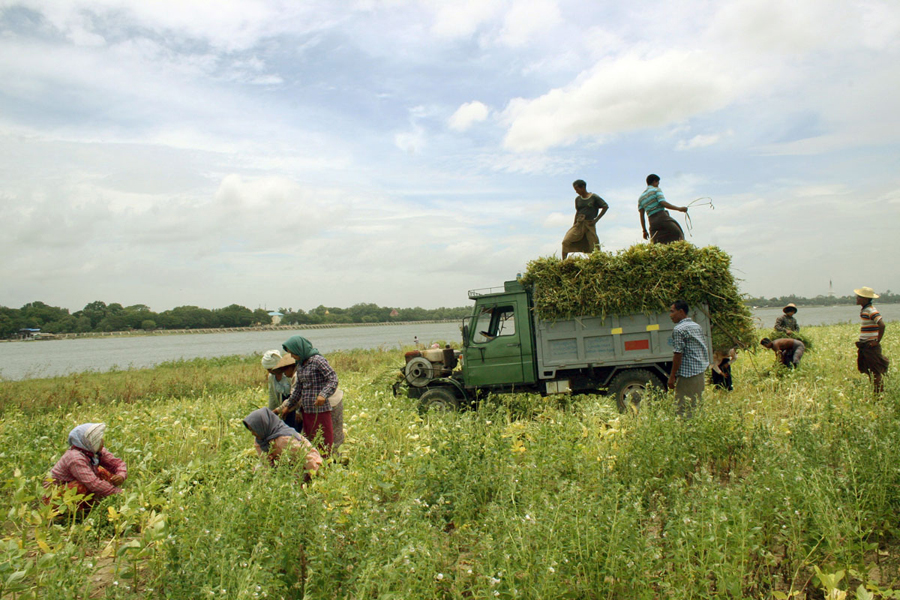
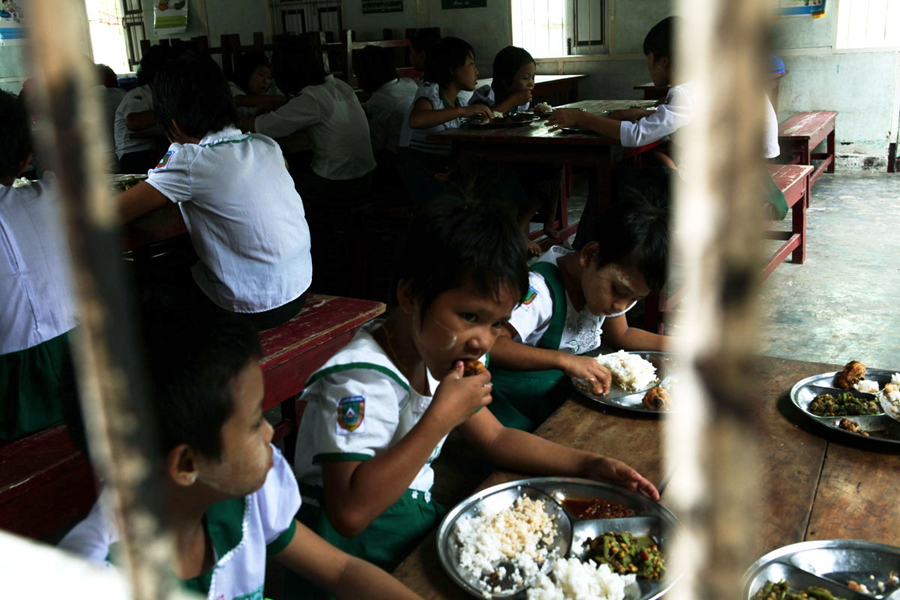
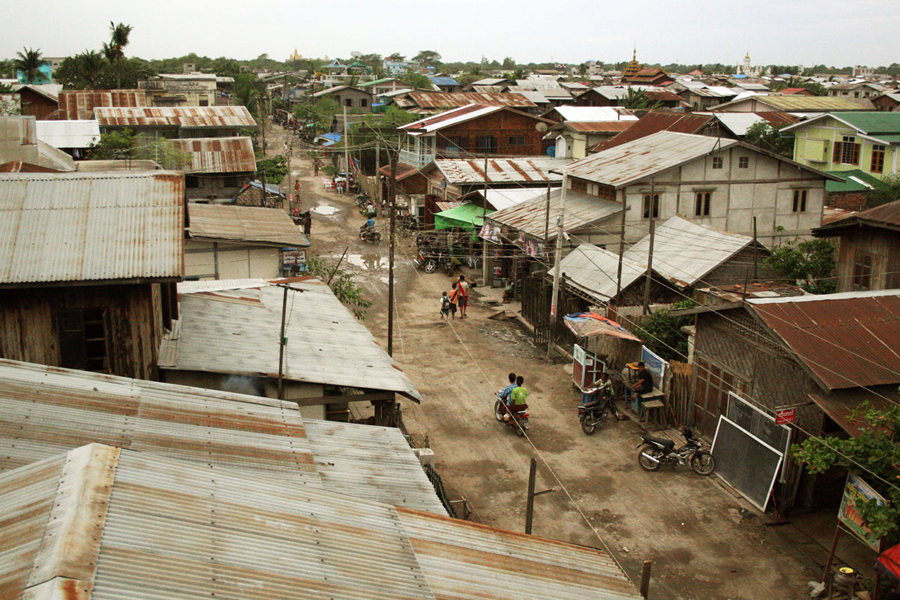
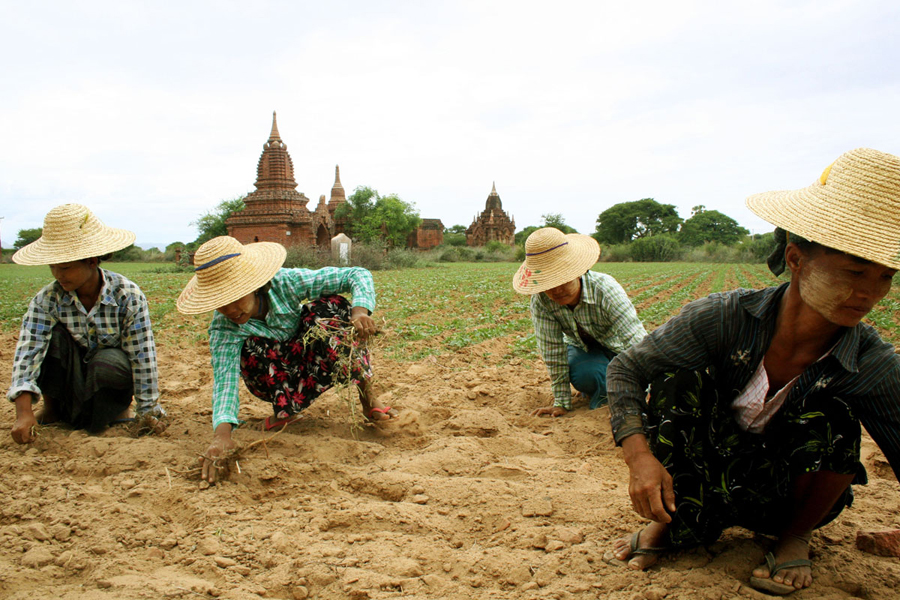
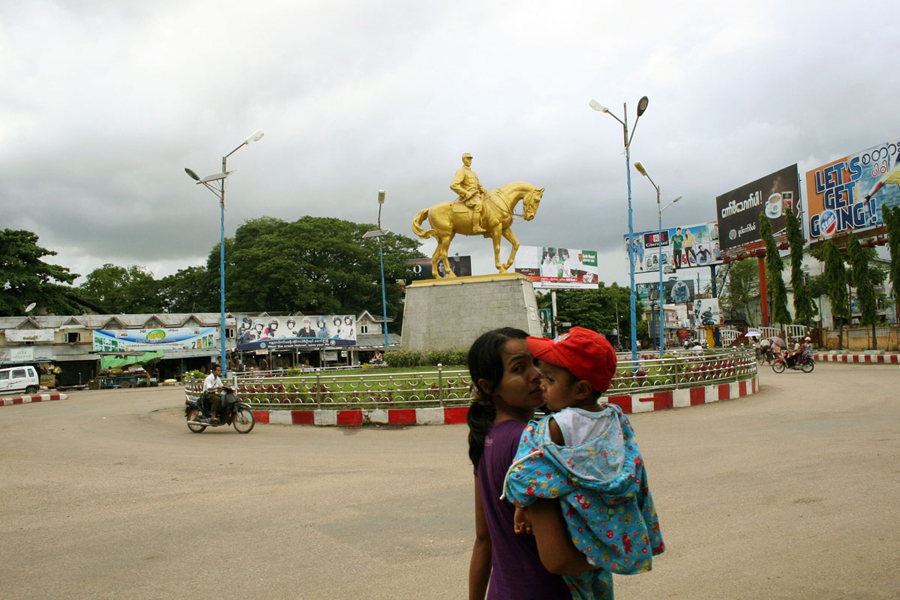
    Myanmar (former Burma), a country that was expected to have developed rapidly after gaining independence from Britain in 1948, but the military seized an opportunity cementing a grip on power, producing one of the most repressive, brutal regimes in modern history and for more than twenty-five years it’s borders sealed and its people isolated.

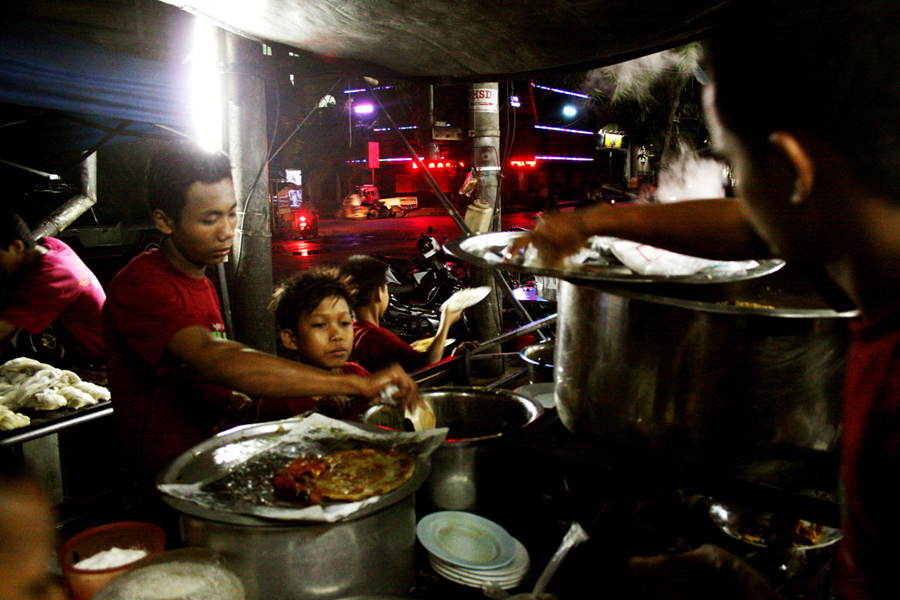
    Yangon. Once the capital (changed to Nay Pyi Taw in 2005) mind-numbing traffic as far as the eye can see, colonial buildings that even in decay seem somewhat beautifully majestic, temples and pagoda’s gilded masterpieces are seen throughout the city that would make you question your inner atheist.

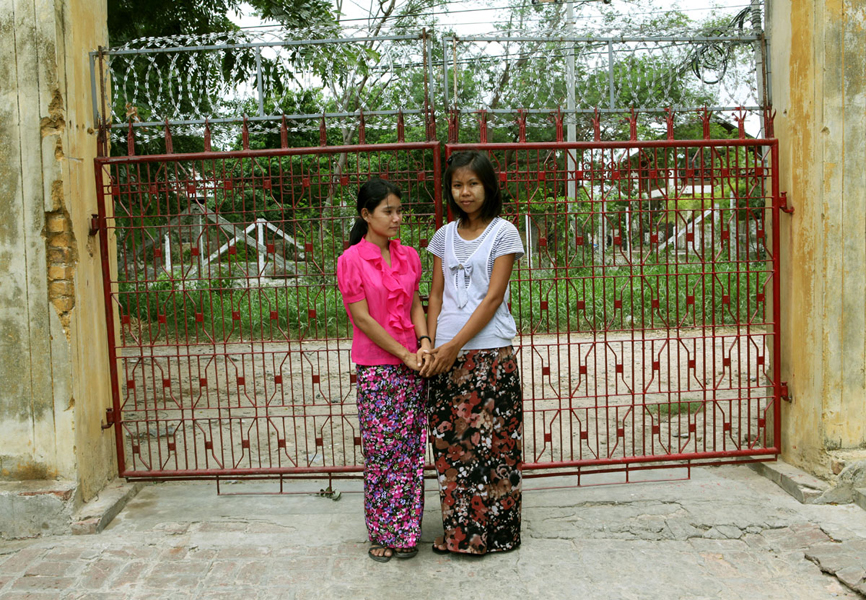
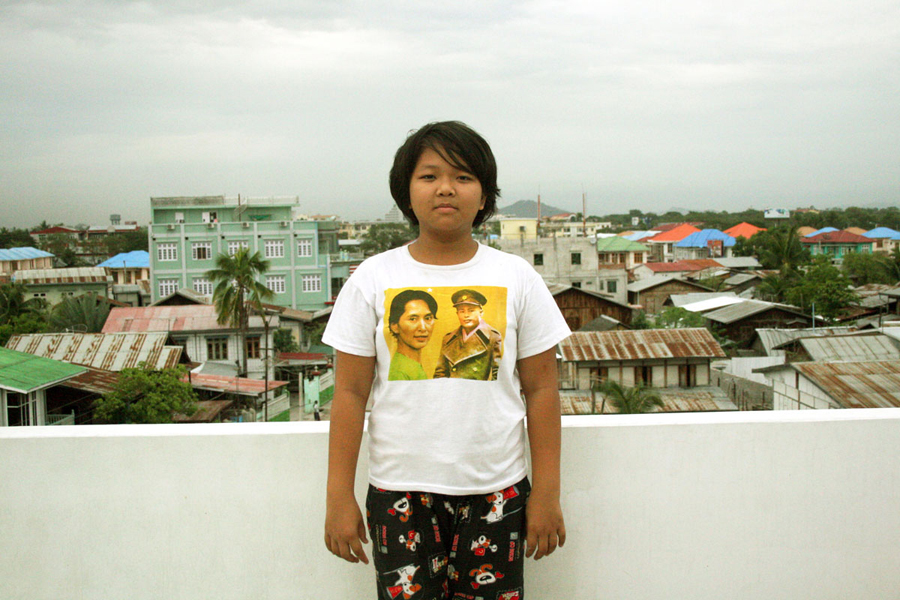
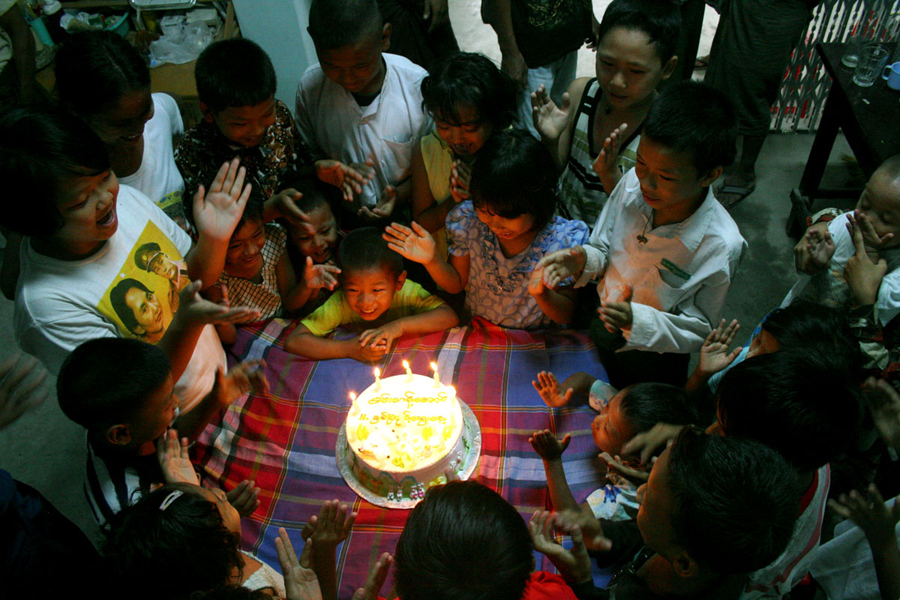
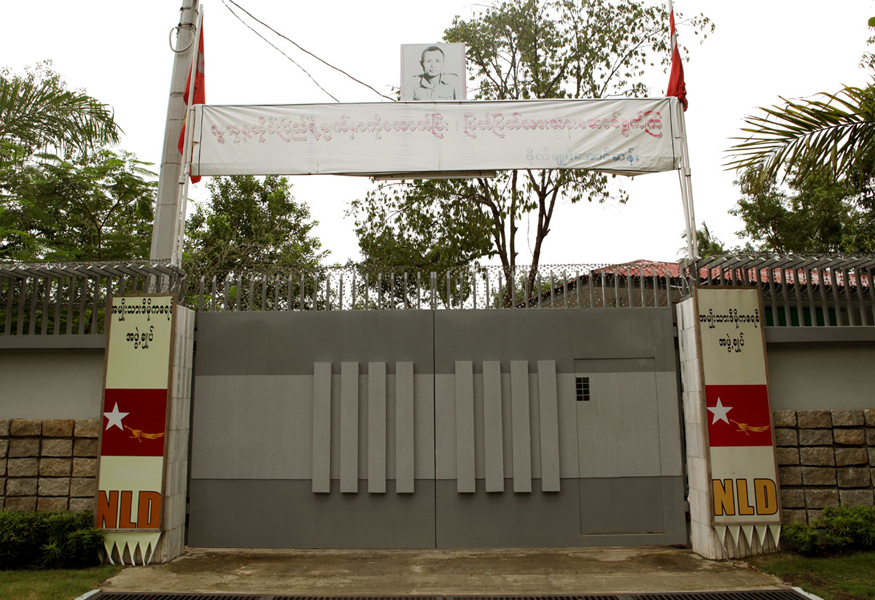
    “Welcome to Myanmar” a man, shouts out from his car window, “you want to see where our mother lives?” Twenty minutes later and an imprint of my hands left on Tay Na’s passenger seat I arrive at the gates of Aung San Suu Kyi compound, “She never forgot us” Na says wiping the evidence of betel nut from his lips and that she didn’t.

    This lady embodies the soul of the nation. With the power of speech, her kindred spirit infused a hope, and a hope that was maintained. House arrest would never tame her; she refused to be bribed into silence, her love and compassion triumphed.

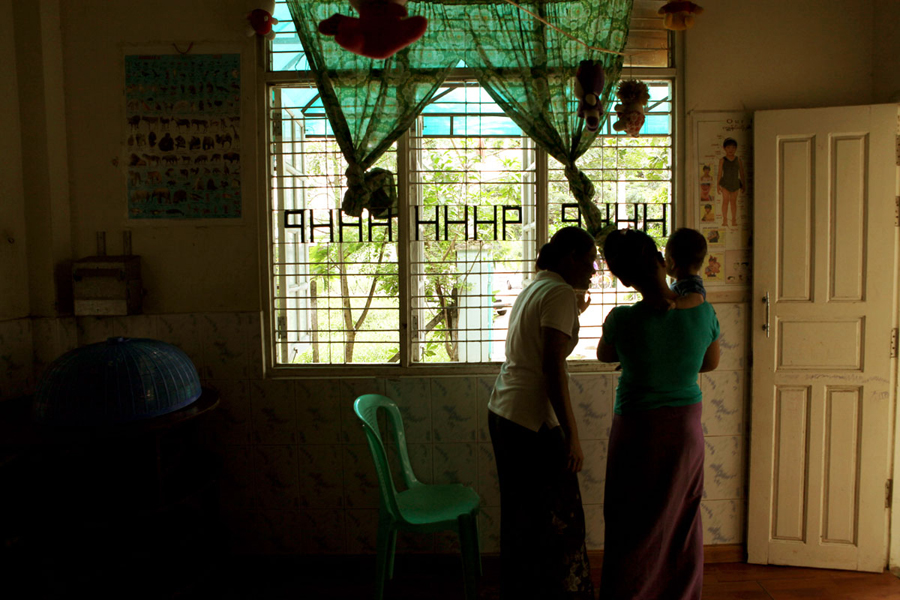
    I had not arrived in Mandalay ten minutes when I found myself in a local taxi driver’s house teaching English to his neighbour’s children. His name was Toe Toe. The following day he brought me to his brother’s monastery. His brother is the head monk there and also practices alternative medicine.

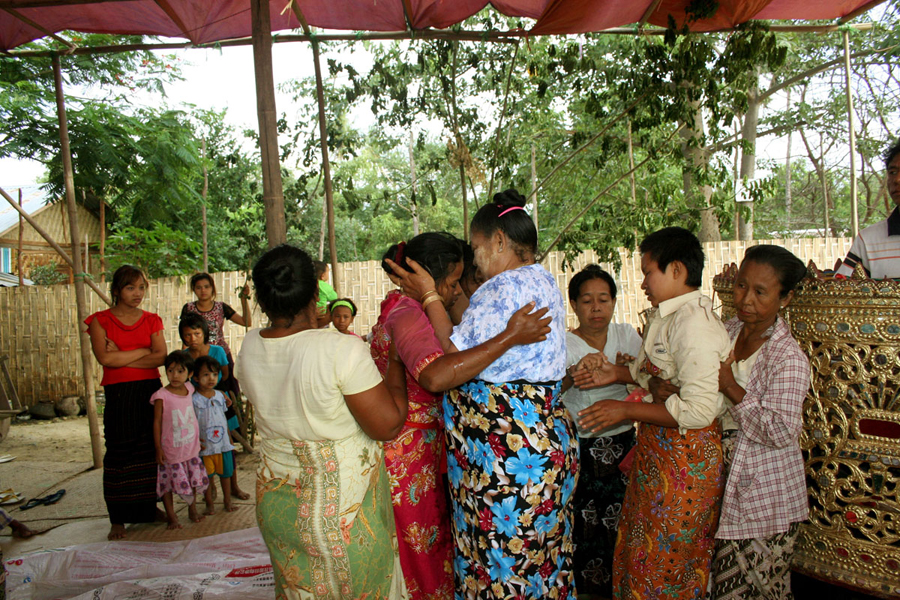
    A largely Buddhist population with some 50 million, it remains a constant solace. In Mandalay alone, there are over 400,000 monks, and all are openly political, they fear not of the government, nor the 300,000 military. Monks rank high among the 2,100 political prisoners in the country.

    To be honest I did feel at times that I was being led on a leash. The military know your every move. They don’t quite lurk in corners of the streets ready to pounce, Actually the majority of the time they are nowhere to be seen, But in terms of Passports and visas always required when booking accommodation, travelling on buses, ferries, etc, that’s when the leash tightens.

    There were a few incidents when fully armed soldiers, some frightfully young stormed onto buses with an air of asperity, demanding everybody’s ID card (which is compulsory to carry). Unfortunately, the Burmese are far too accustomed to interrogations.

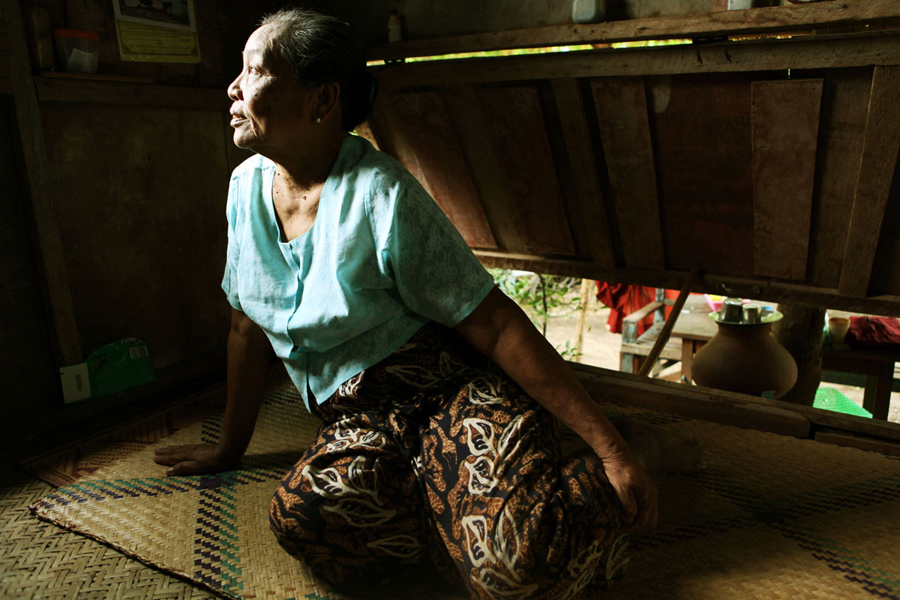
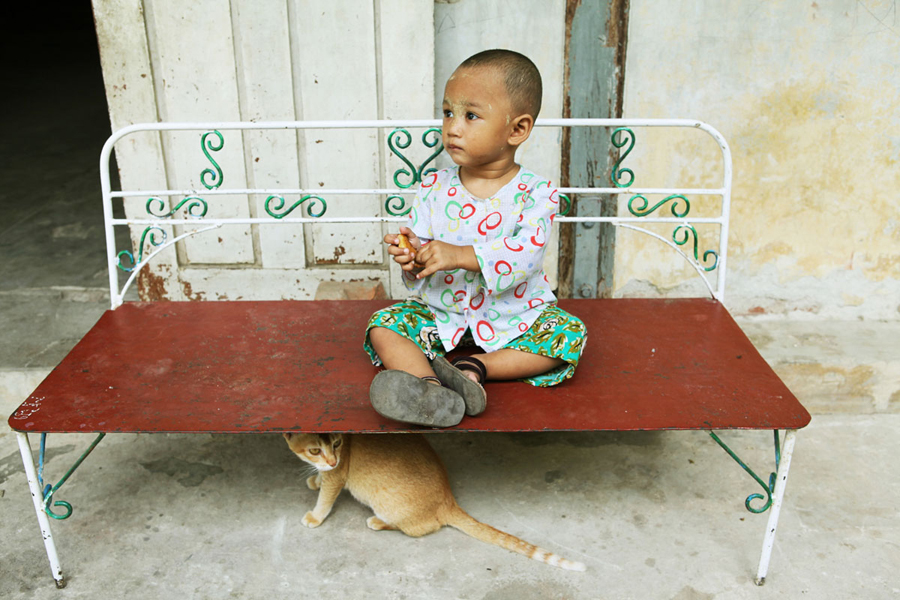
    The complexities of this inchoate country can be difficult to understand, of how a regime can form such a people, but they are everything the regime is not; they are kind, generous, engaging, and humorous. Everyday they battle a tangled web of repression and reform.

    As I make my way back to Yangon I am overcome by the wisdom and beauty beyond the suffering. A country so beautifully unspoilt, a piety of beauty, rich in unique culture and tradition and still withholds its name as the jewel of Asia.

  • Untitled post 2107

    by  Tomasz Szustek

    Published in The Journal – website

    August 2012

  • Portrait of the Pilgrim 2012by Tom Bereska and Tom Szustek

    Portrait of the Pilgrim 2012

    by Tom Bereska and Tom Szustek

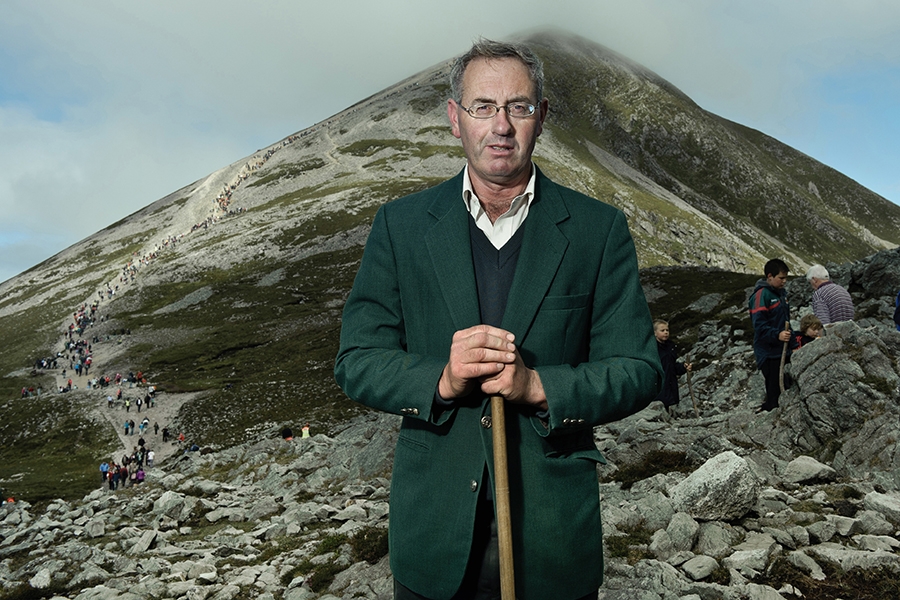
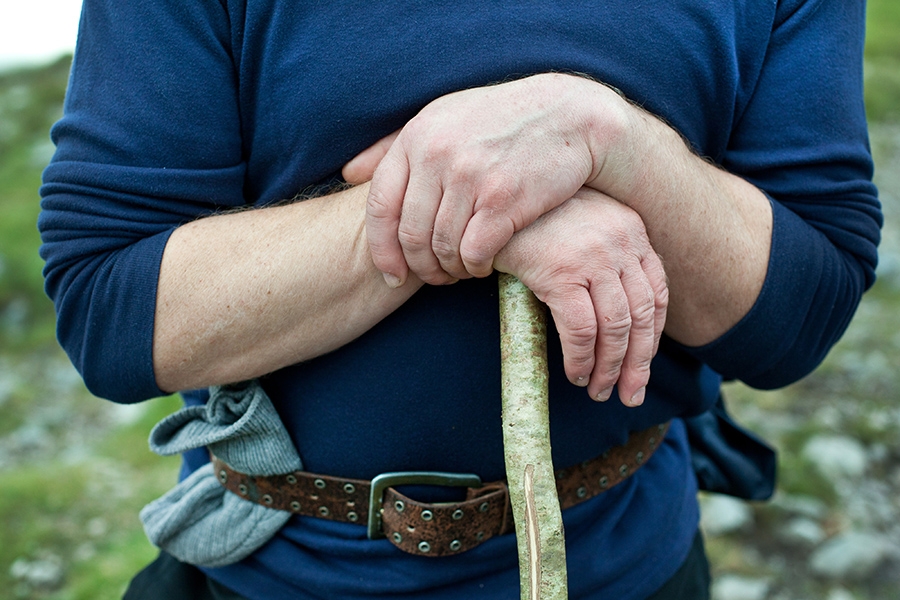
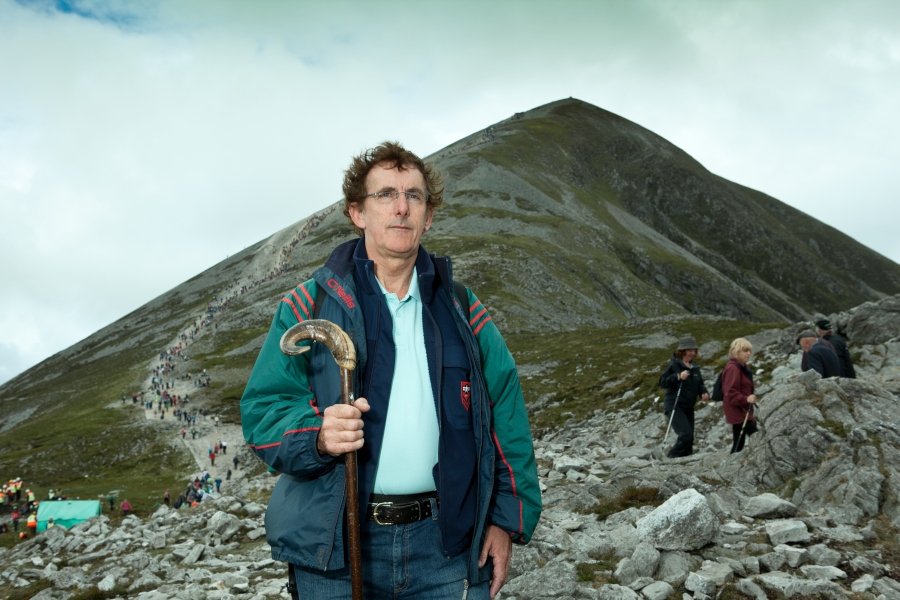
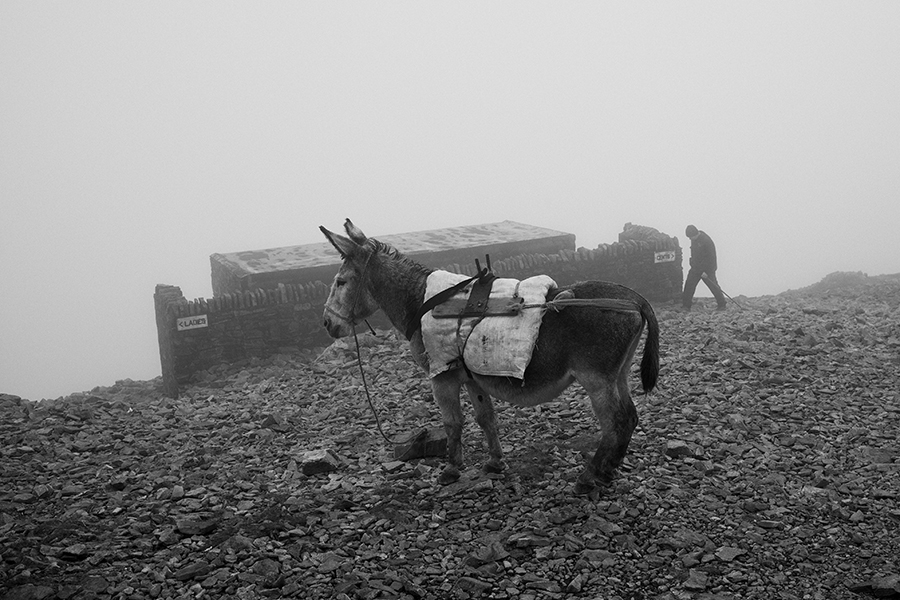
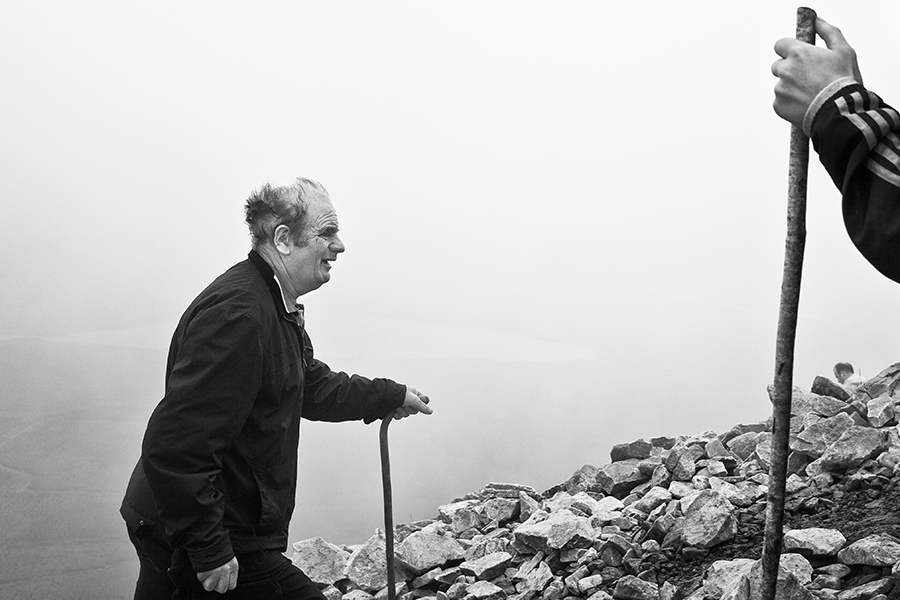
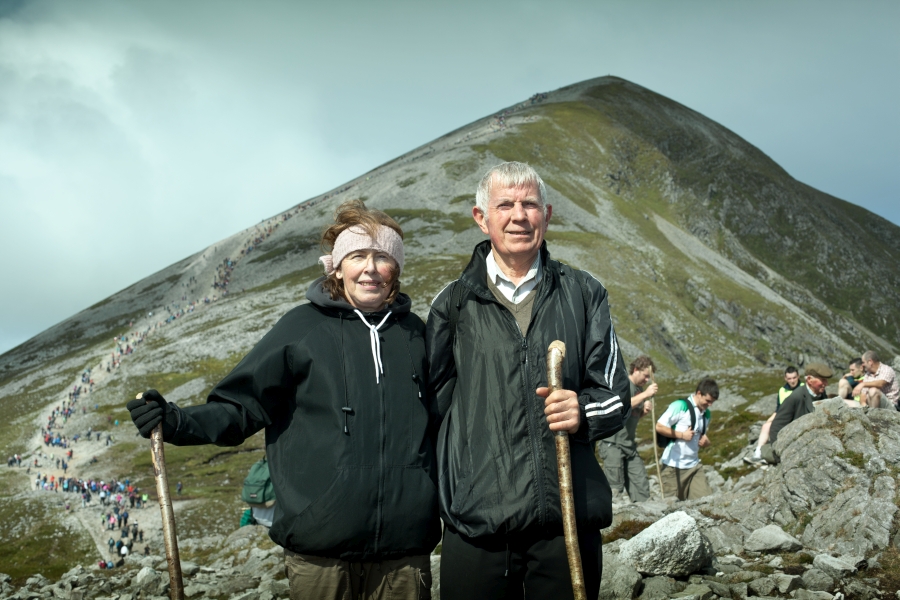
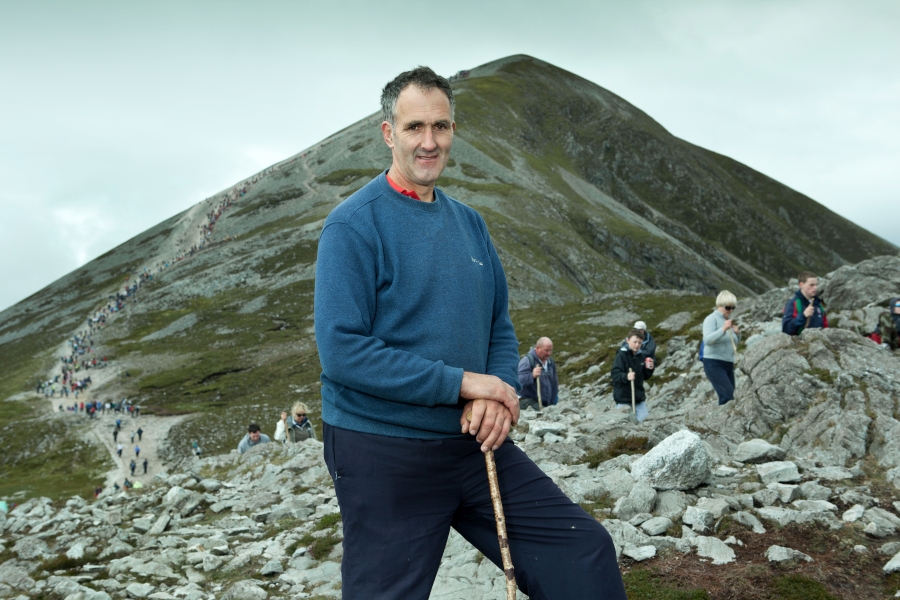
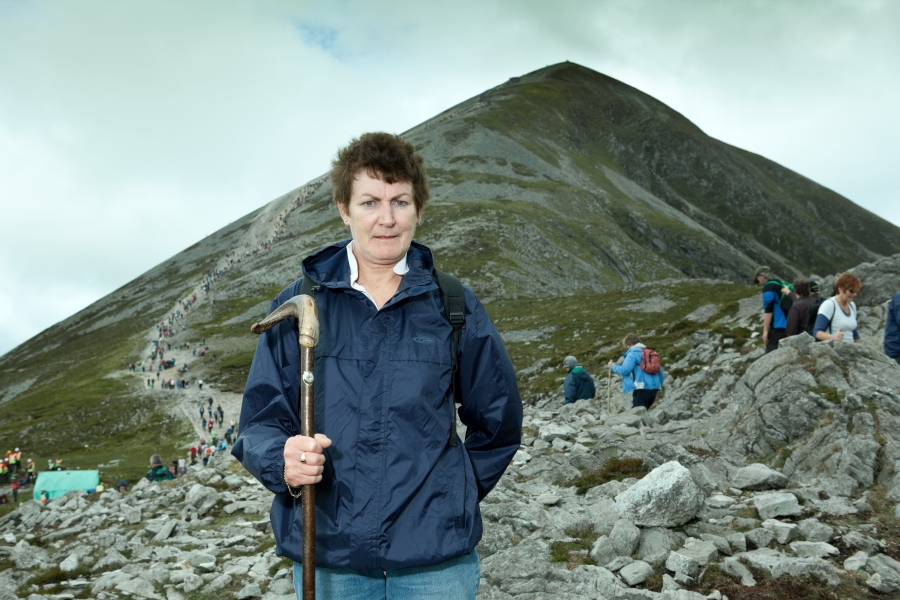
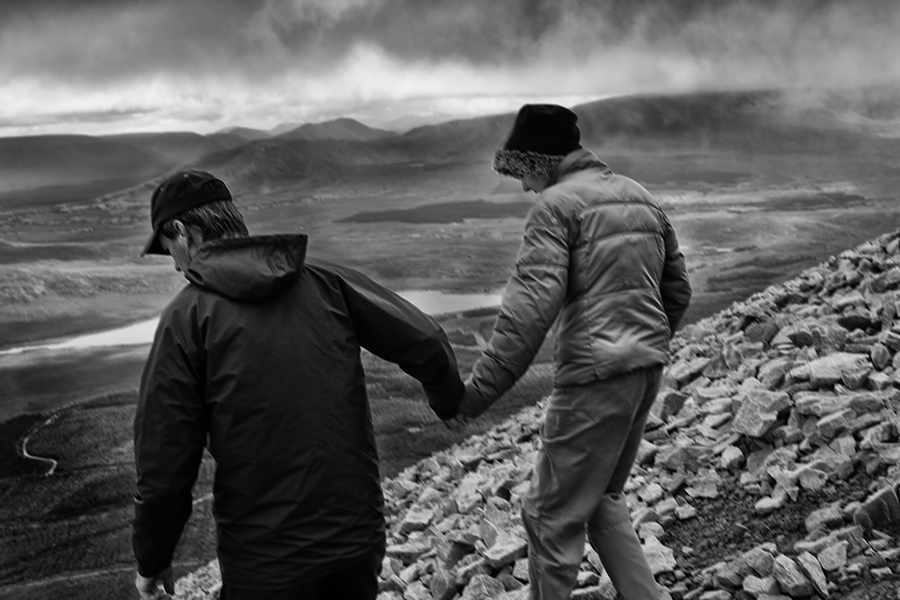
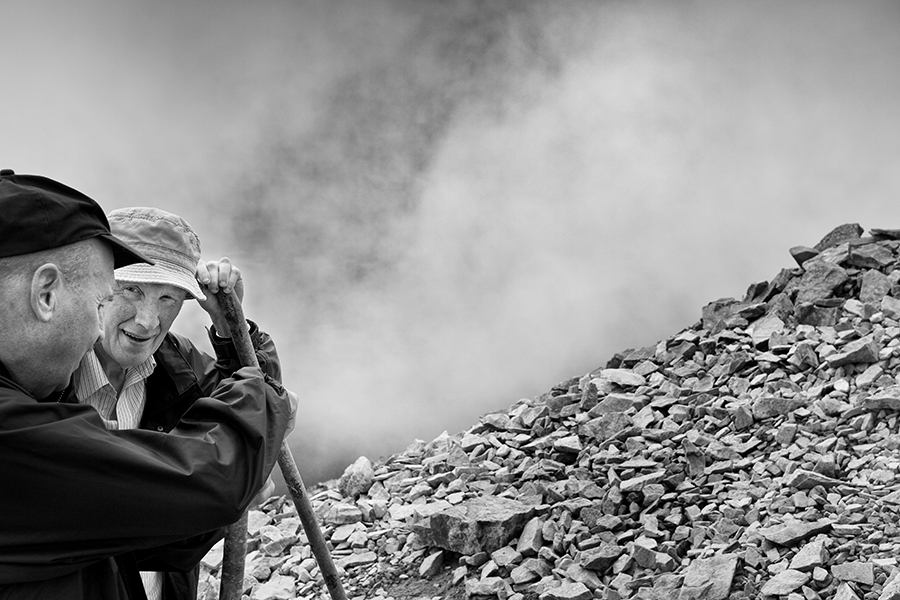
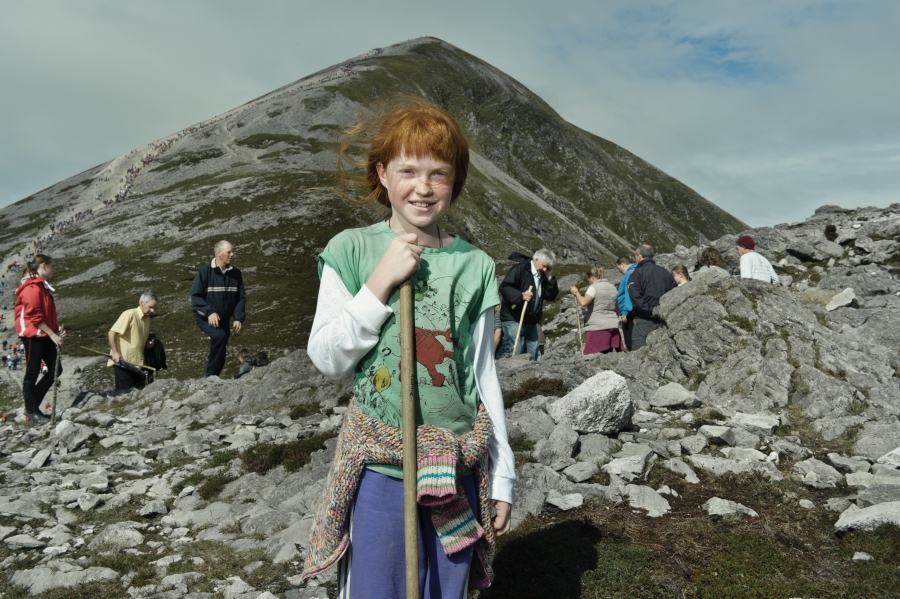
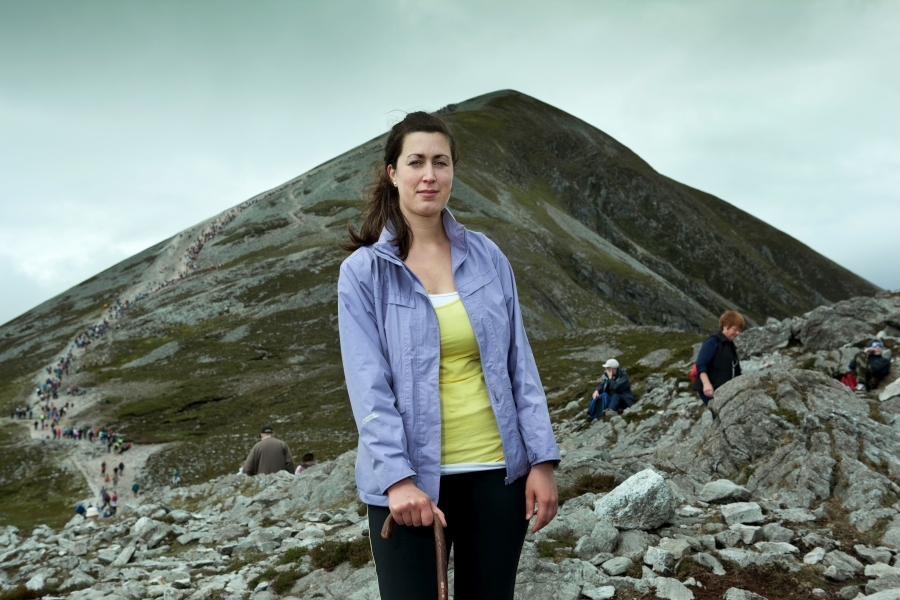
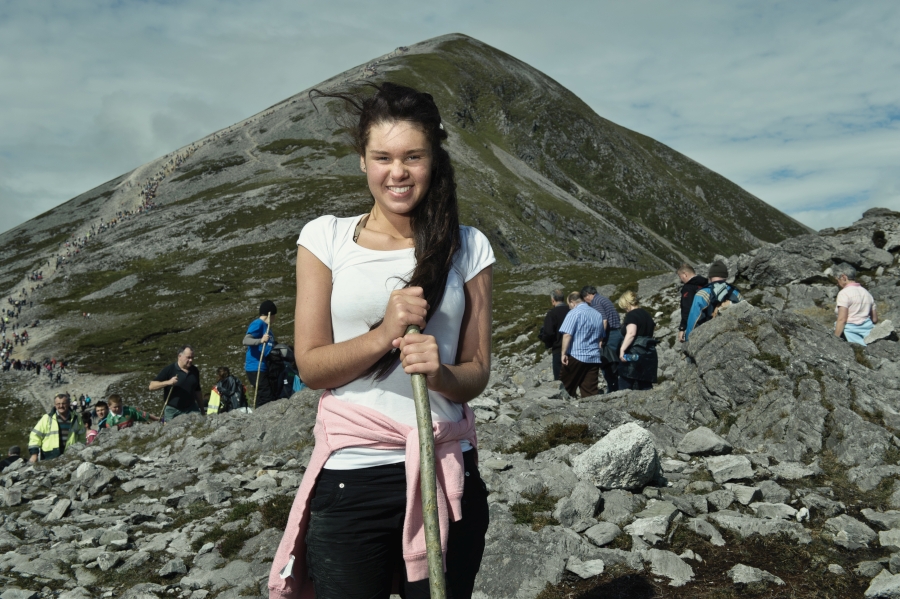
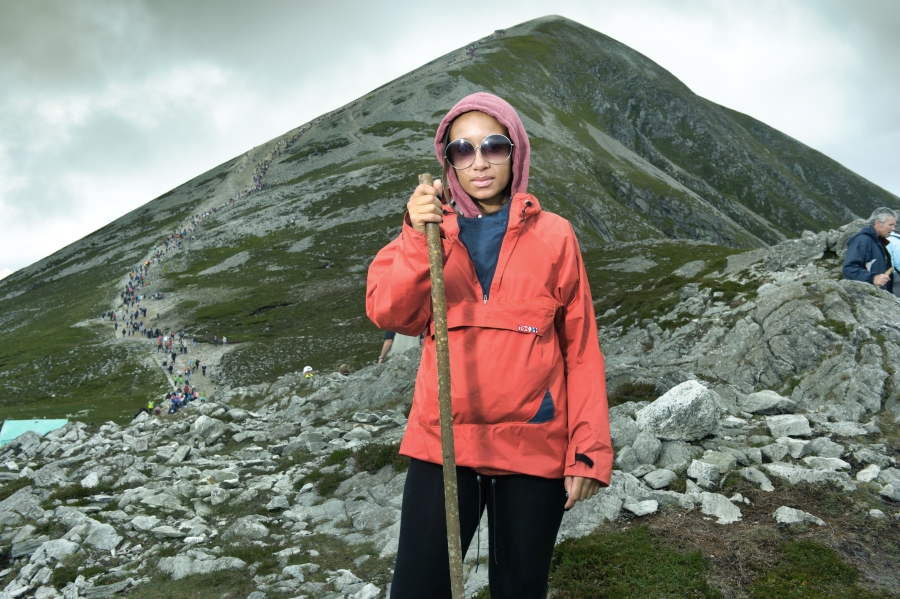
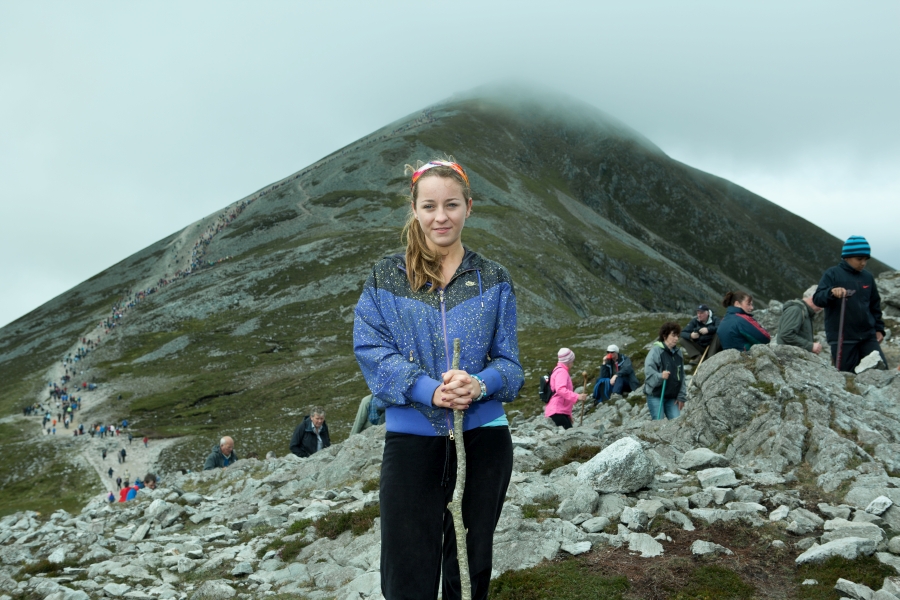
    For the third consecutive year, Uspecto photographers climbed together with thousands of pilgrims the holy mountain of Croagh Patrick, Co. Mayo in Ireland.
    According to the legend, it was on the summit of the mountain that Saint Patrick fasted for forty days in 441 AD. Then, when descending he threw a silver bell down the side of the mountain, knocking the pagan she-demon Corra from the sky and banishing all the snakes from Ireland.

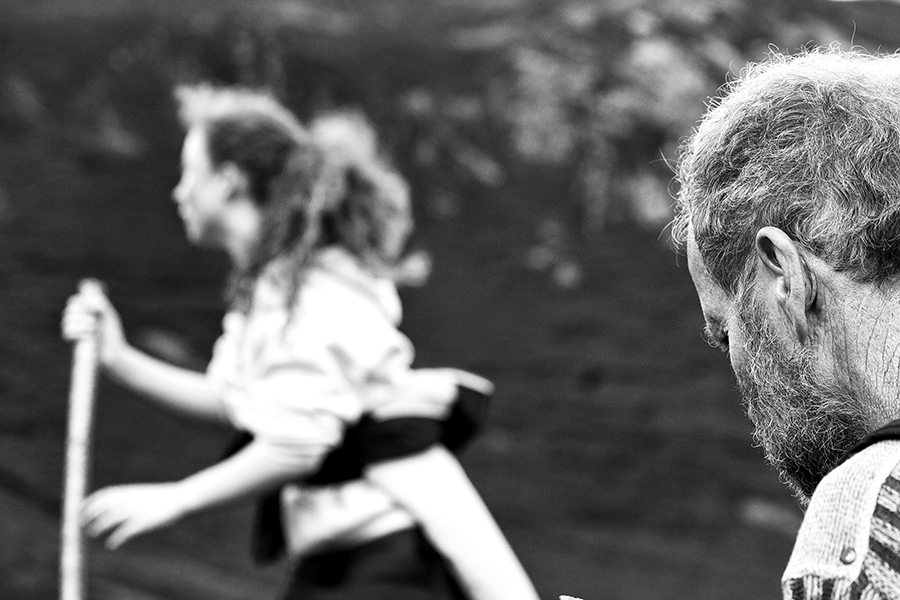
    The pilgrimage takes place on the last Sunday of July. This tradition spans over 1500 years without interruption. Many pilgrims, as an act of penance, undertake their walk barefoot.

    Among the pilgrims, there are members of every part of Irish society. Men and women, young and old, rich and poor, locals,  immigrants, and foreigners. All were different, but all were joined by the holy time of pilgrimage. The diversity in appearance and unity in purpose.

    cooperation: Kasia Sudak and Agnieszka Sygientowska

  • Iascairiby Krzysztof Maniocha

    Iascairi

    by Krzysztof Maniocha

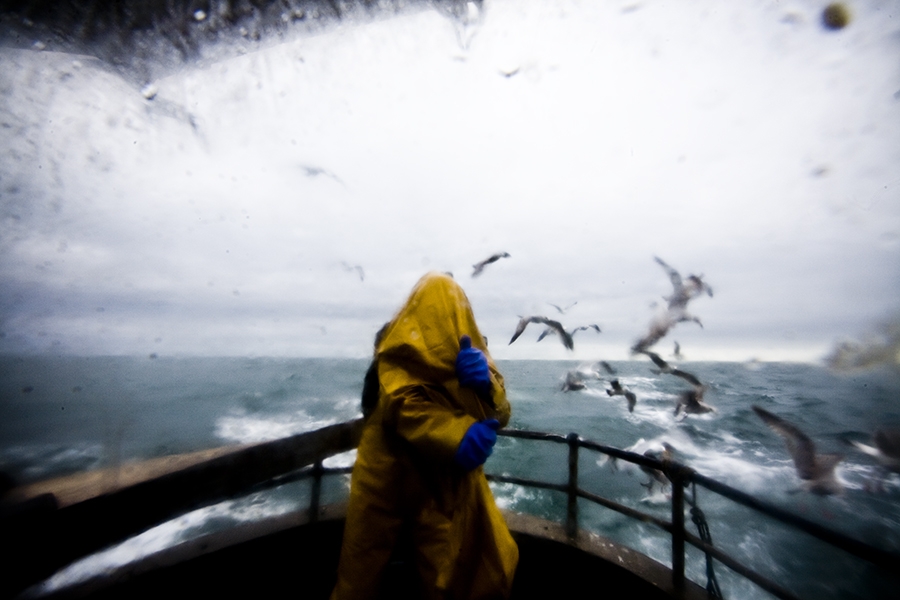
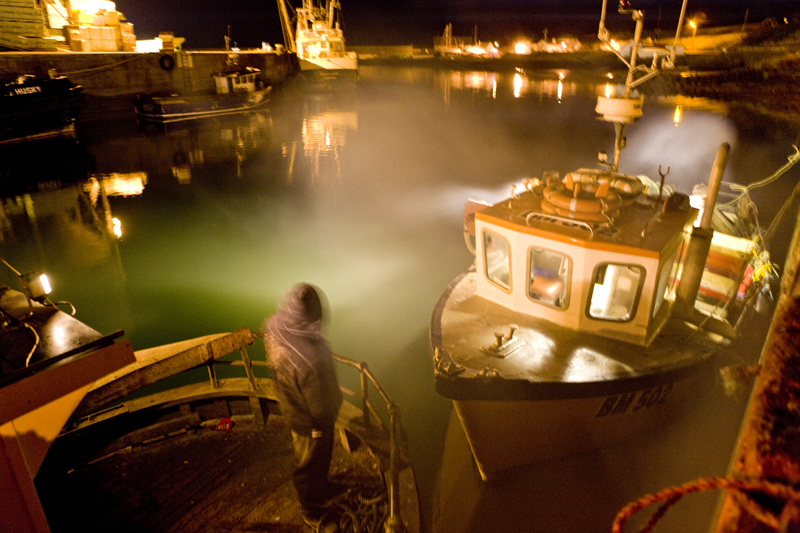
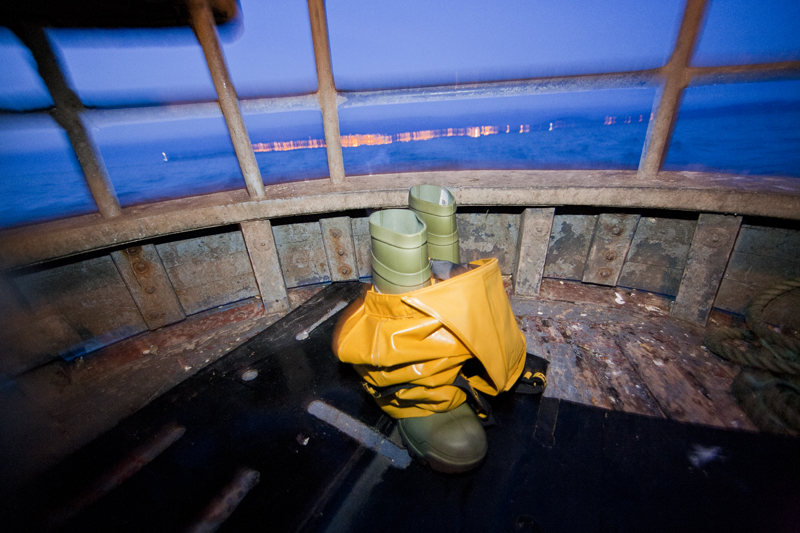
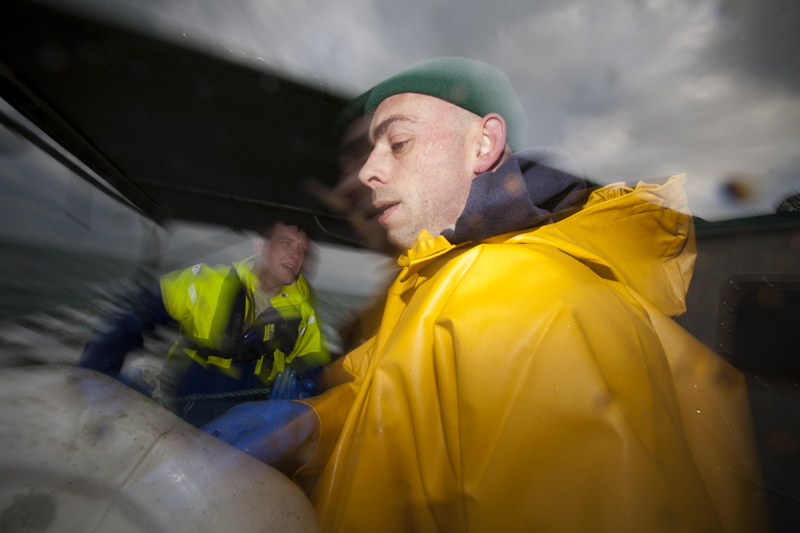
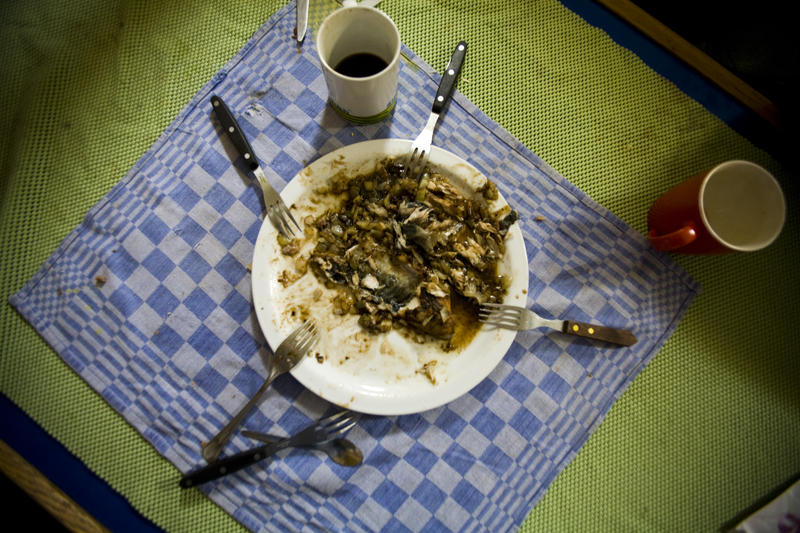
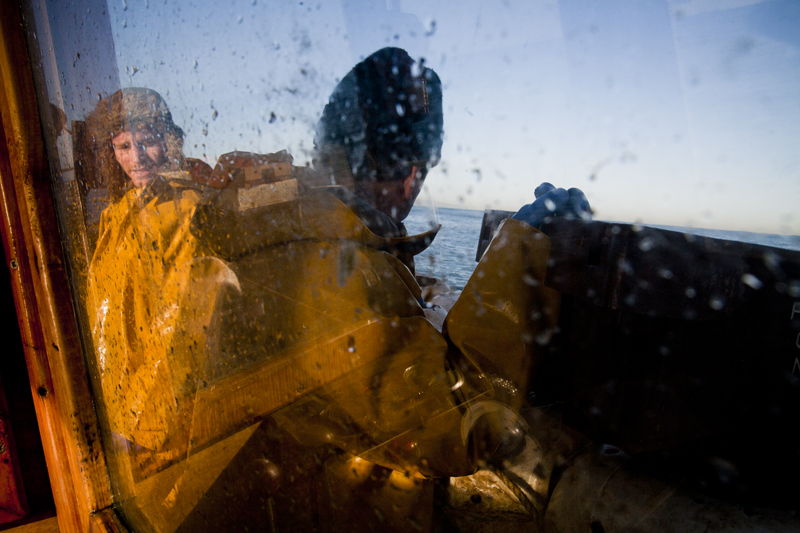
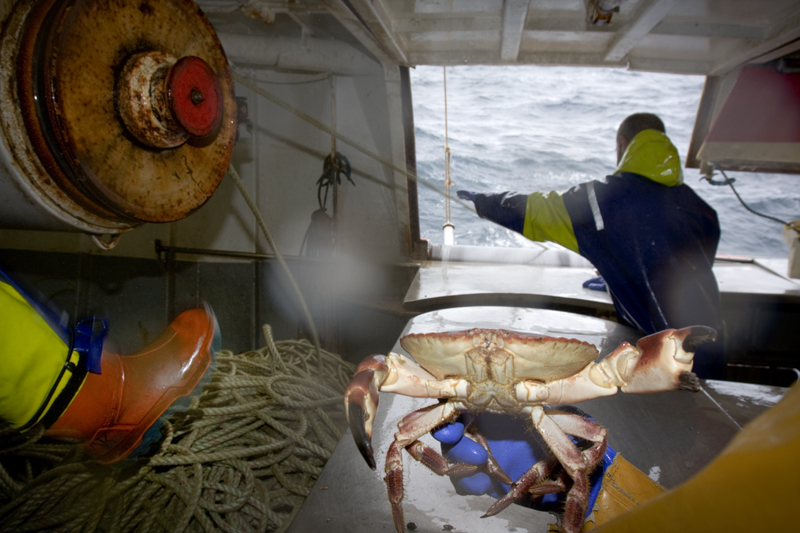
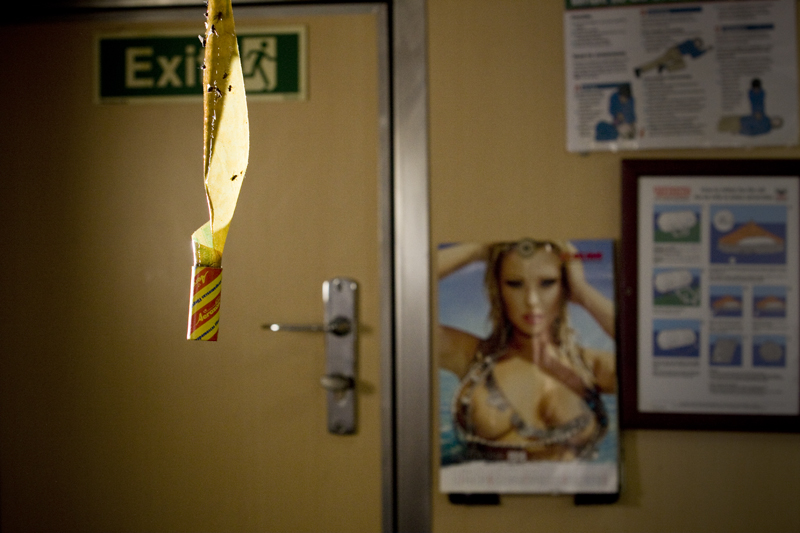
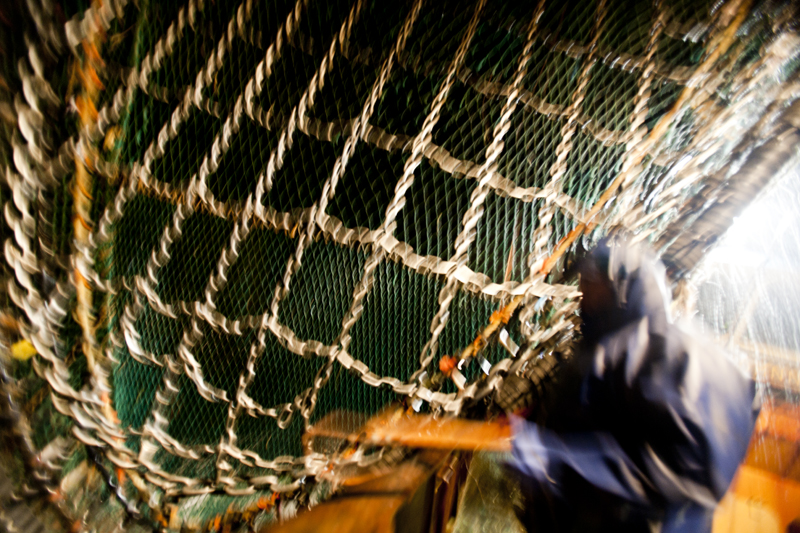
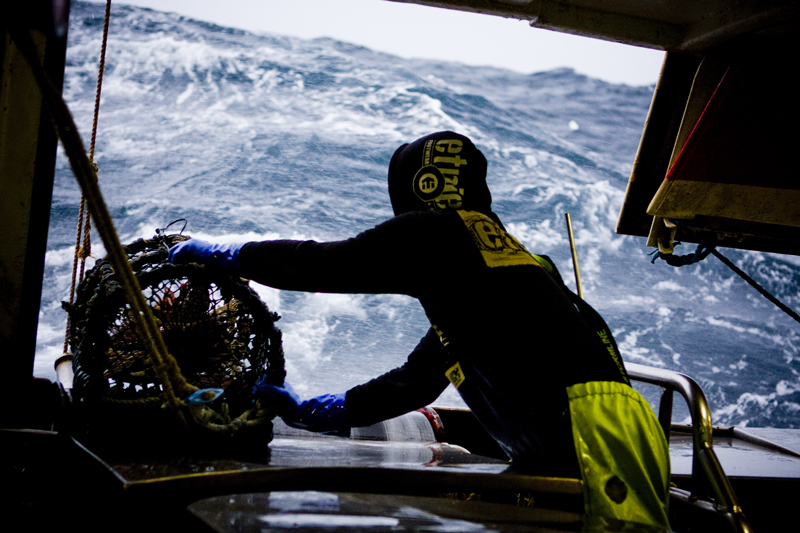
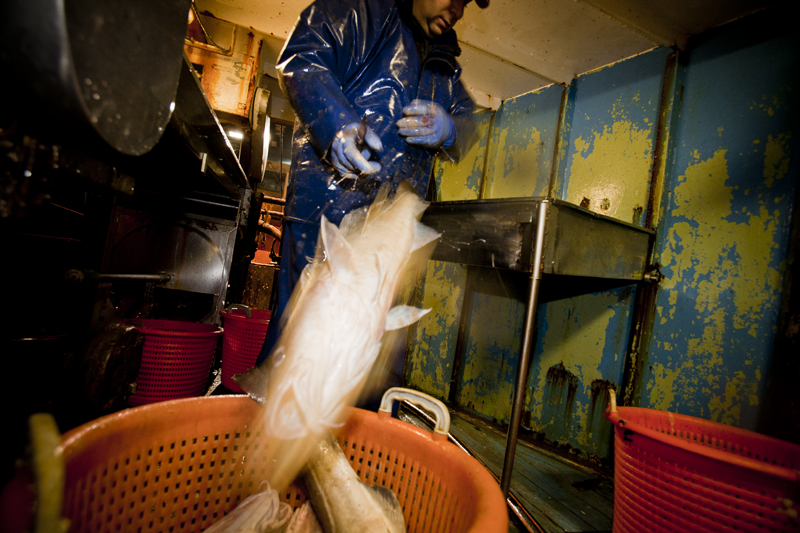
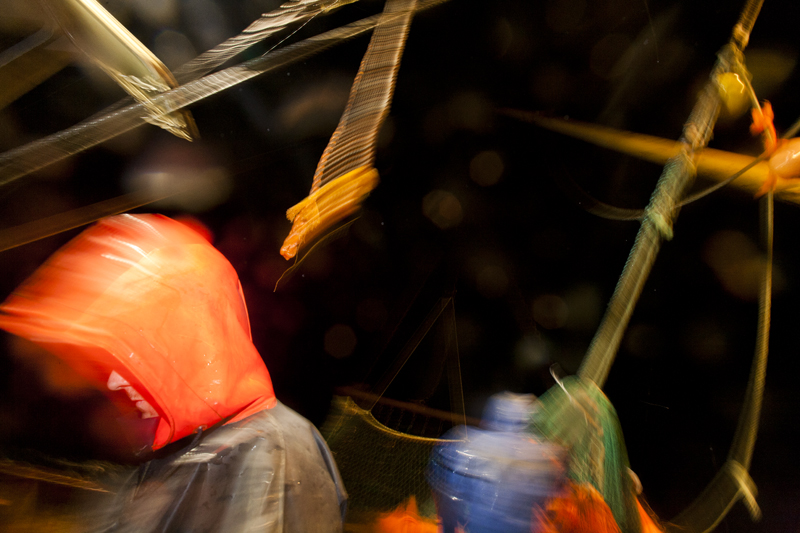
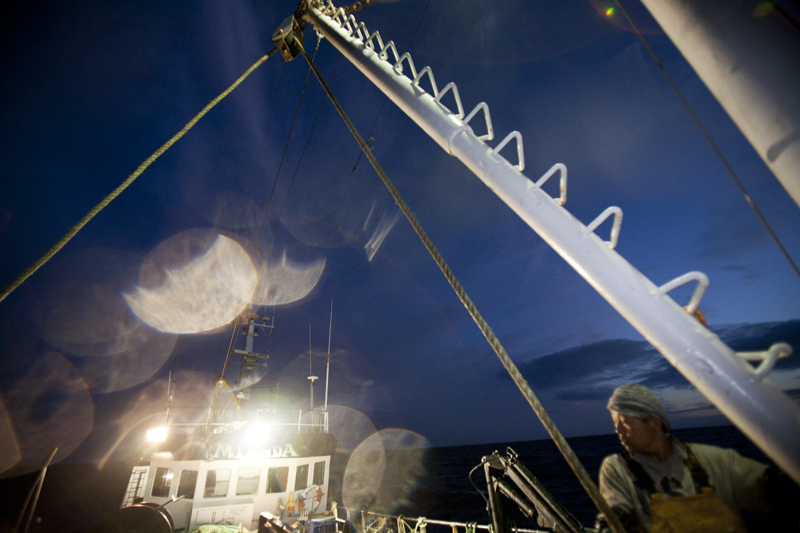
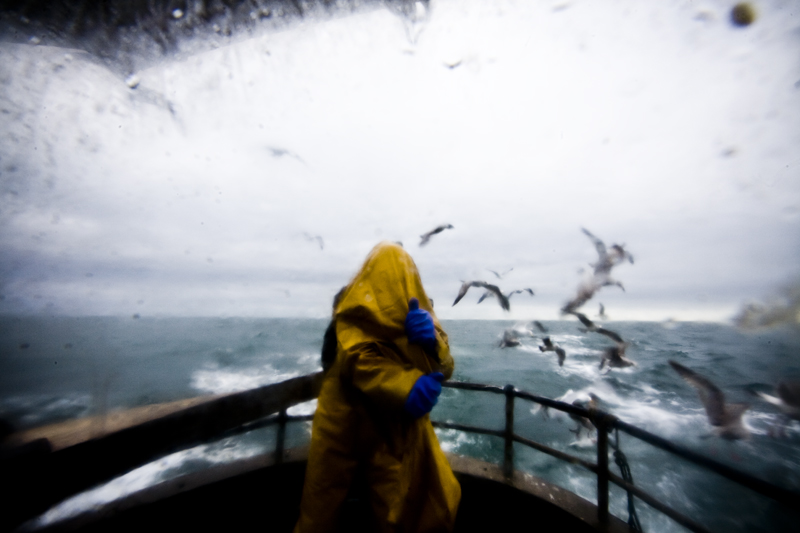
    ‘Iascairí’ means fishermen in Irish. These men are tough and very hard working. Much of the time they sleep only an hour or two in their 24 hours work marathons.

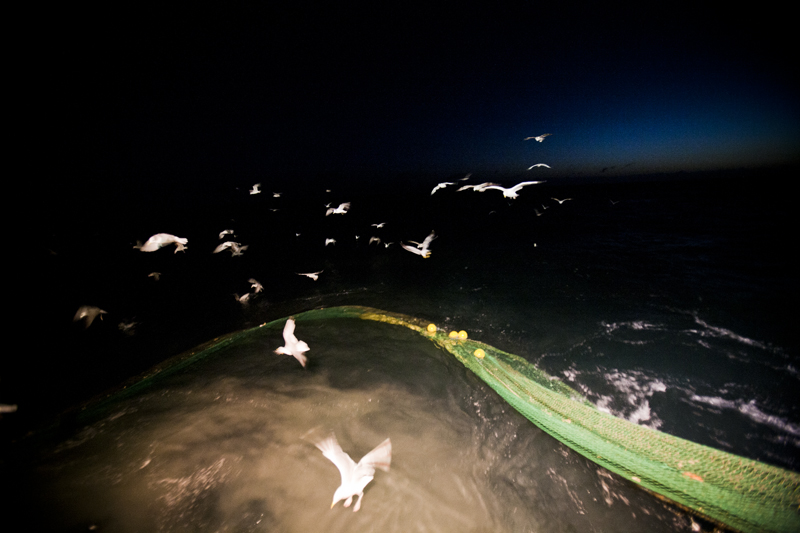
    Today’s law in Ireland (2012) for catching fish is different from that one many years ago. For various reasons (European Union laws) Ireland has given some rights to catch fish to other countries such as Spain, Holland or UK.

    Today on Irish coasts a trawler is allowed to catch only a certain quota of fish, however, there are rumors of trawlers catching fish and transporting their cargo to smaller boats. Despite the efforts of Board Iascaigh Mhara (BIM) in equipping the fishermen with strict safety measures and training in proper usage of equipment, life on the sea brings its own rules. According to different surveys from around the world, professional fishing is one the most dangerous jobs with the highest rates of fatality.

  • Growing Old from Homeby Norma Manly

    Growing Old from Home

    by Norma Manly

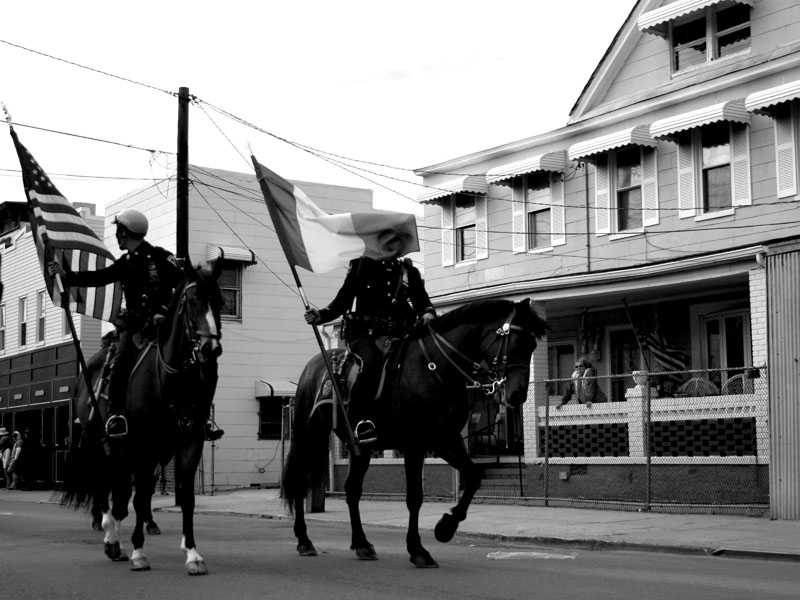
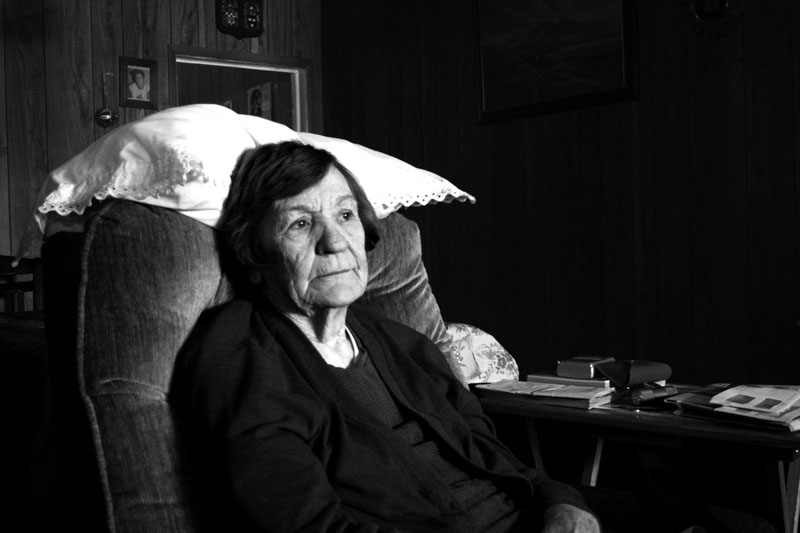
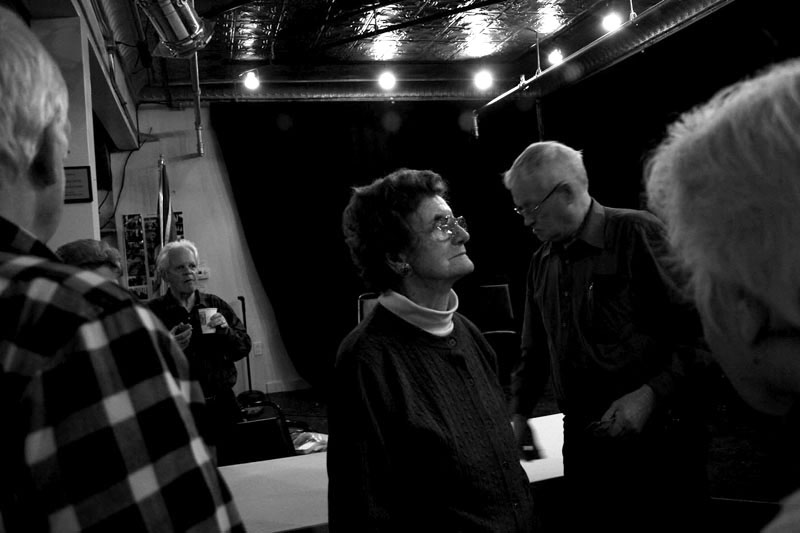
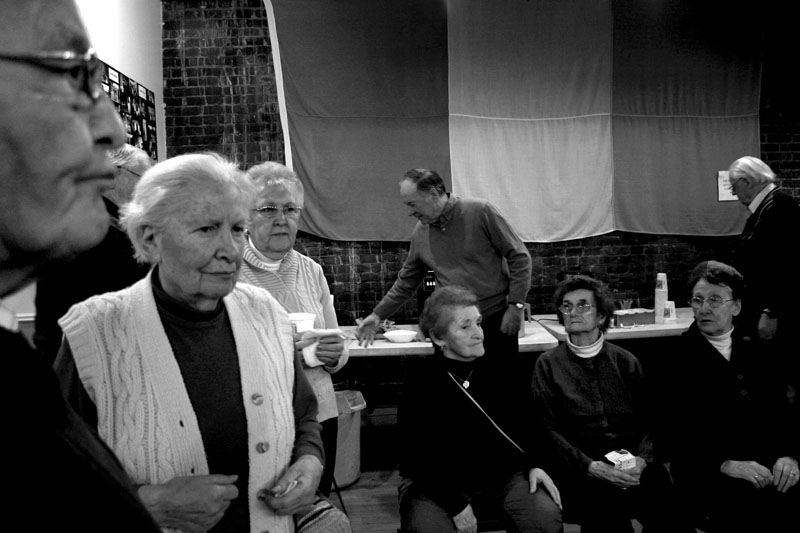
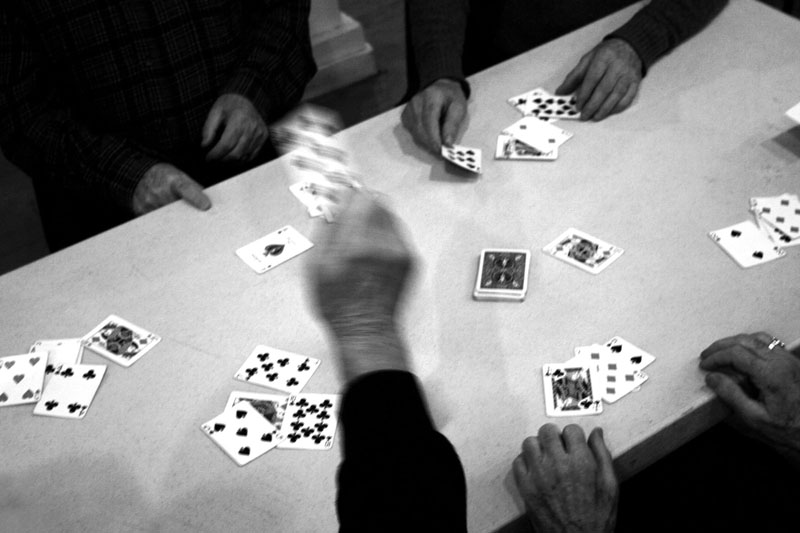
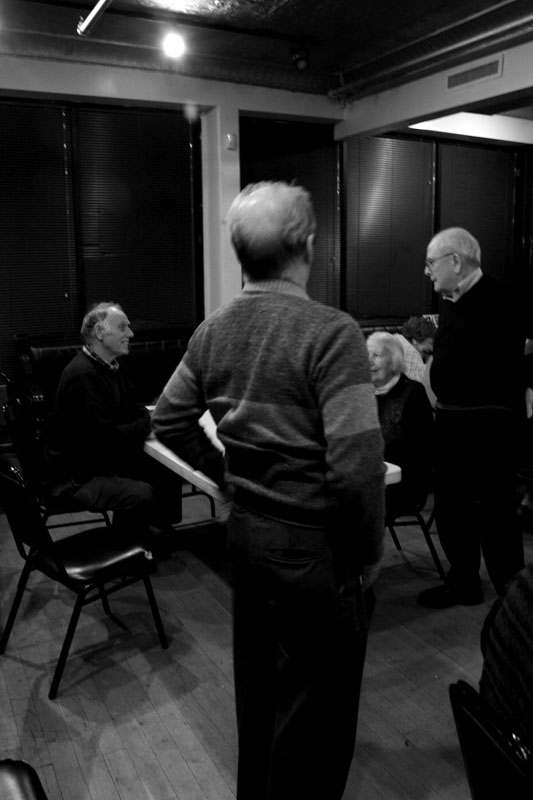
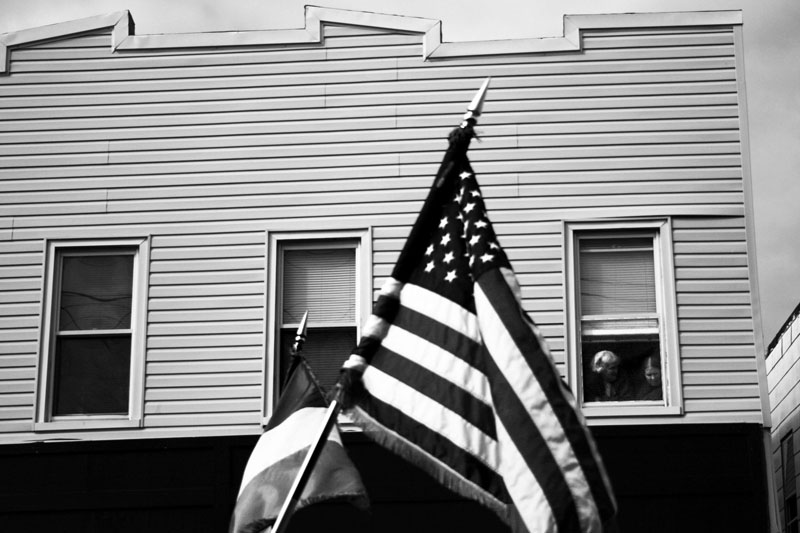
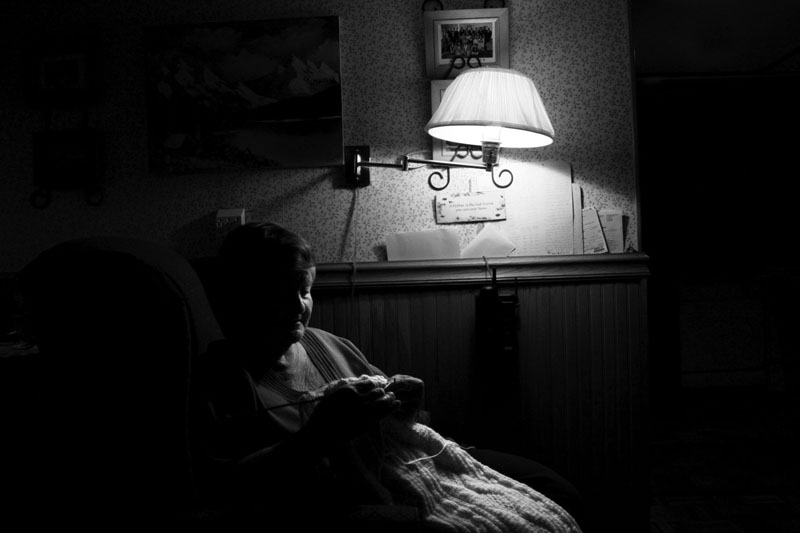
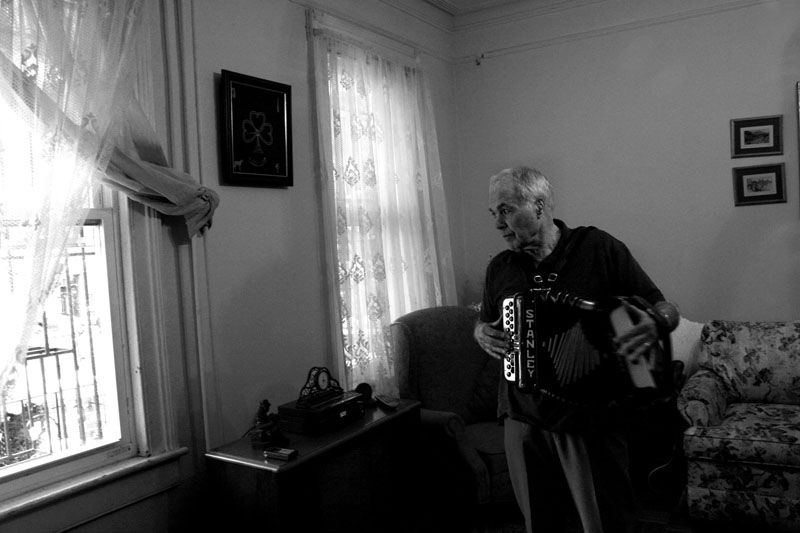
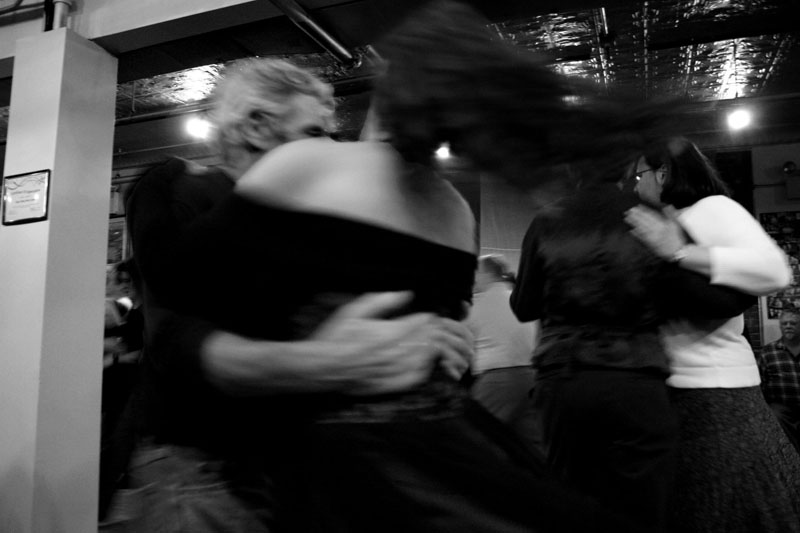
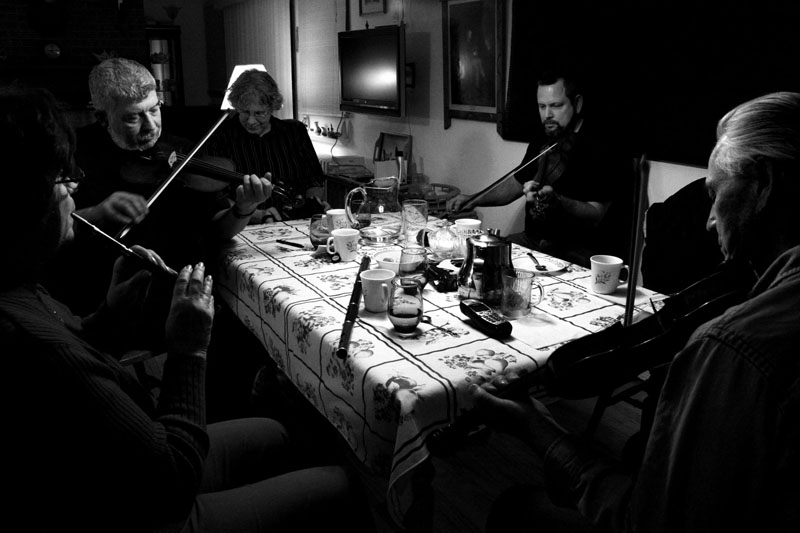
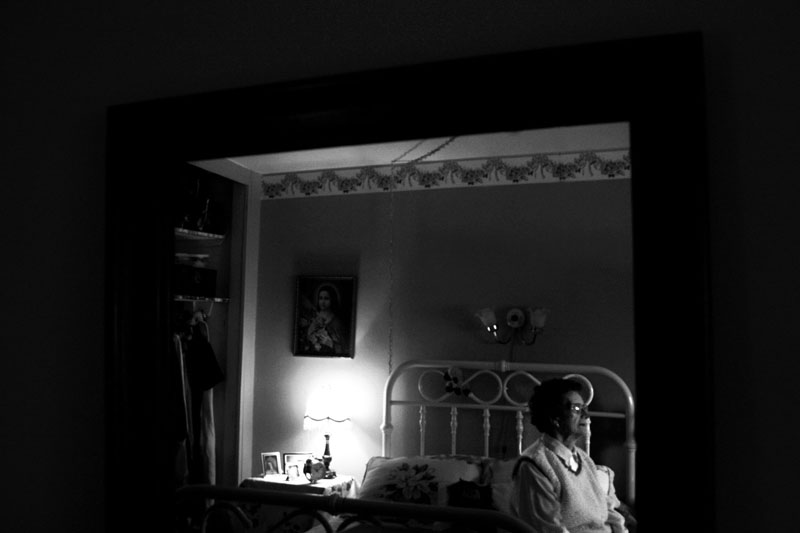
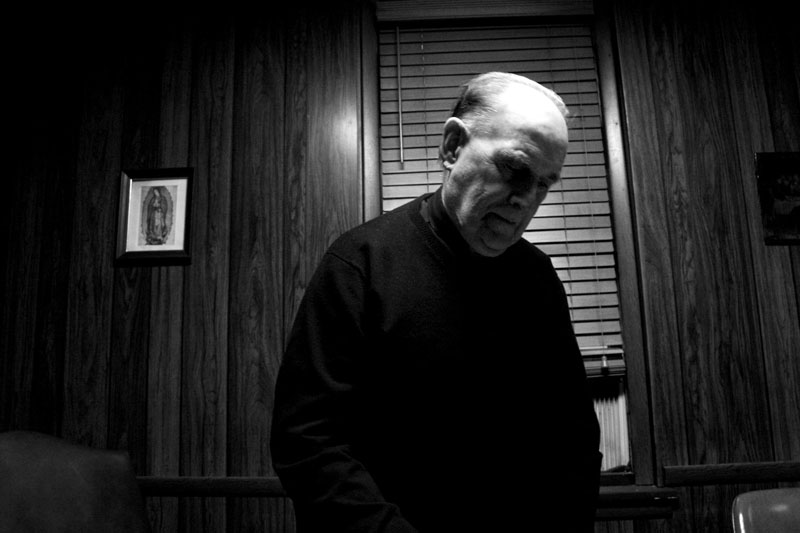
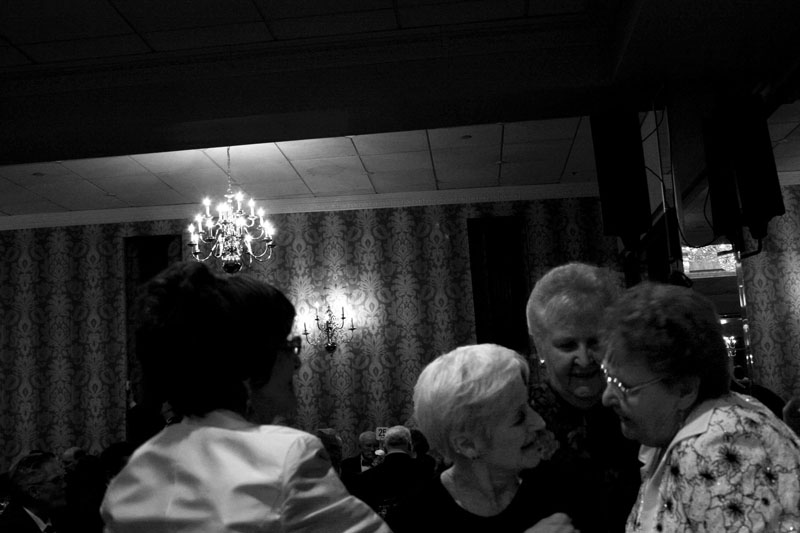
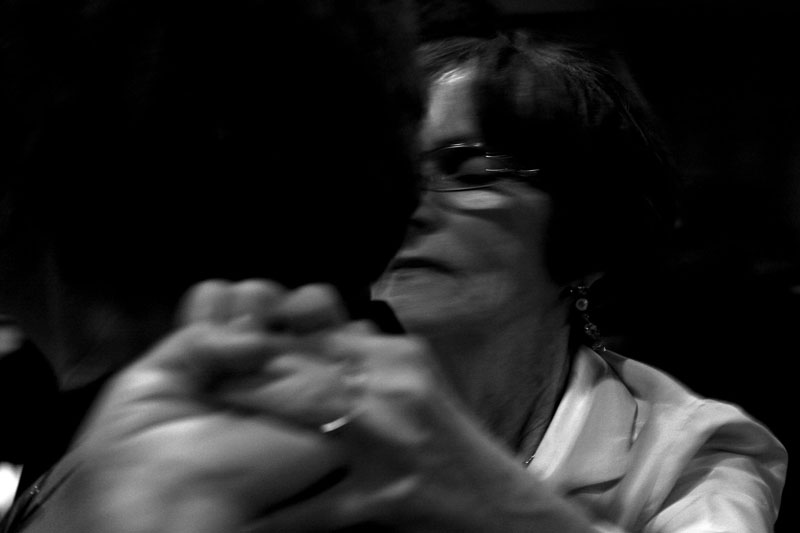
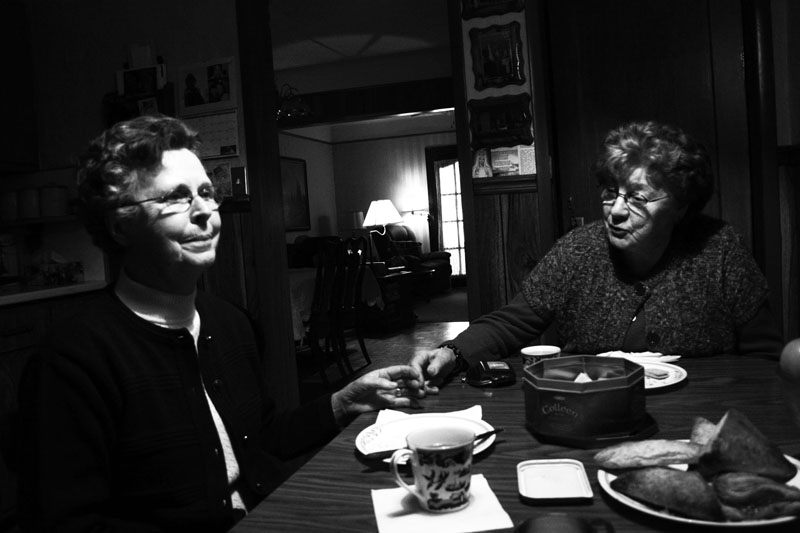
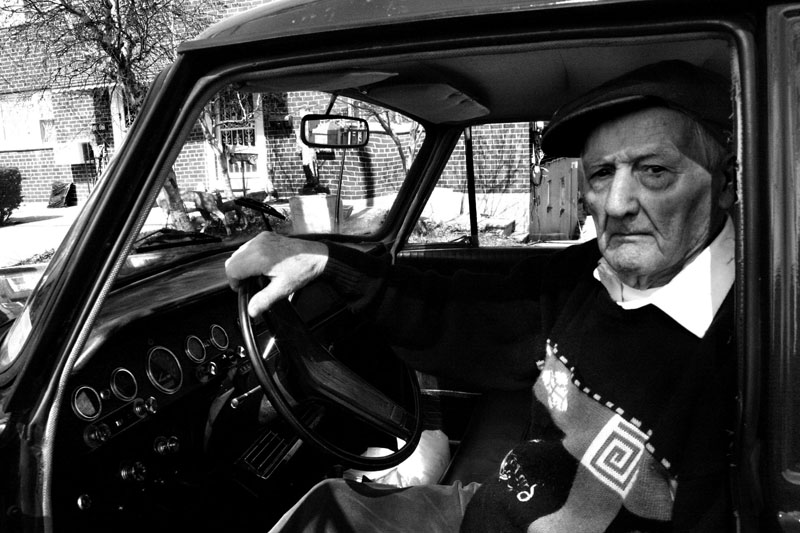
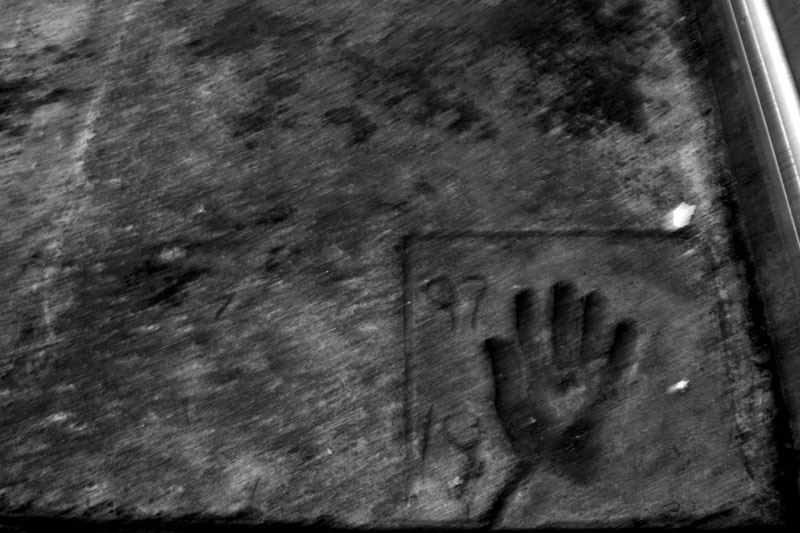
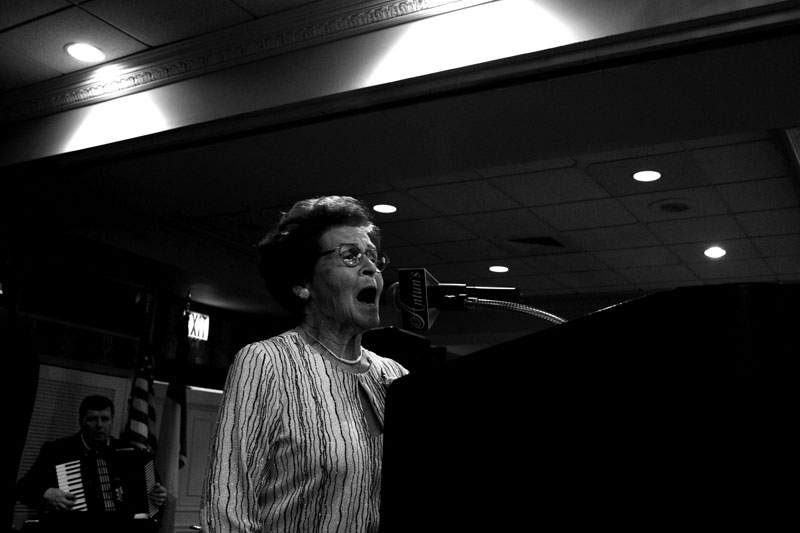
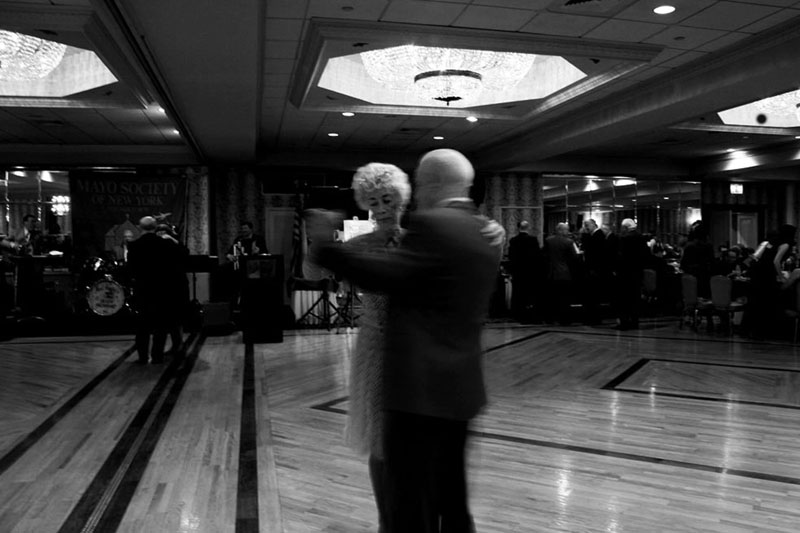
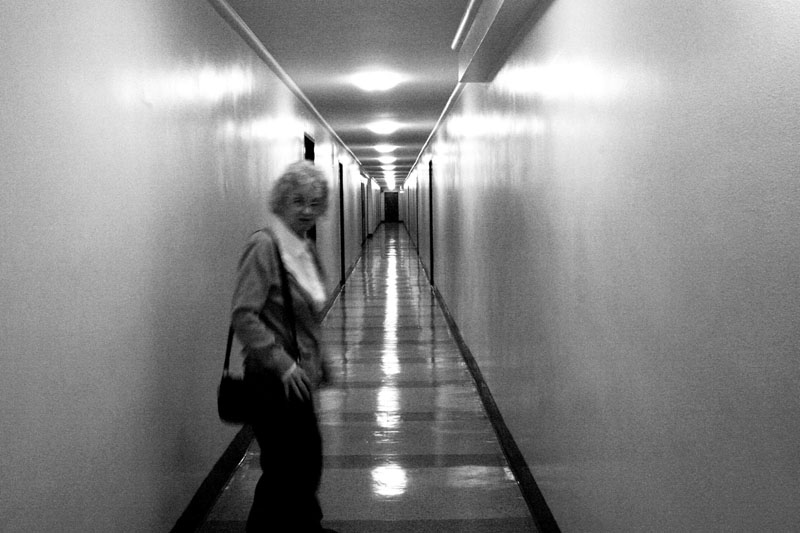
    Growing old from home explores the issue of emigration through photography, an issue so relevant in contemporary Ireland. It follows the lives of the ageing Irish Community in New York City, bringing alive their intense love and pride for their place of birth.

    My objective is to encourage new/renewed connections to be made and re-established from home and abroad. Re-connecting with family and friends, bringing them one step closer to our doorstep.

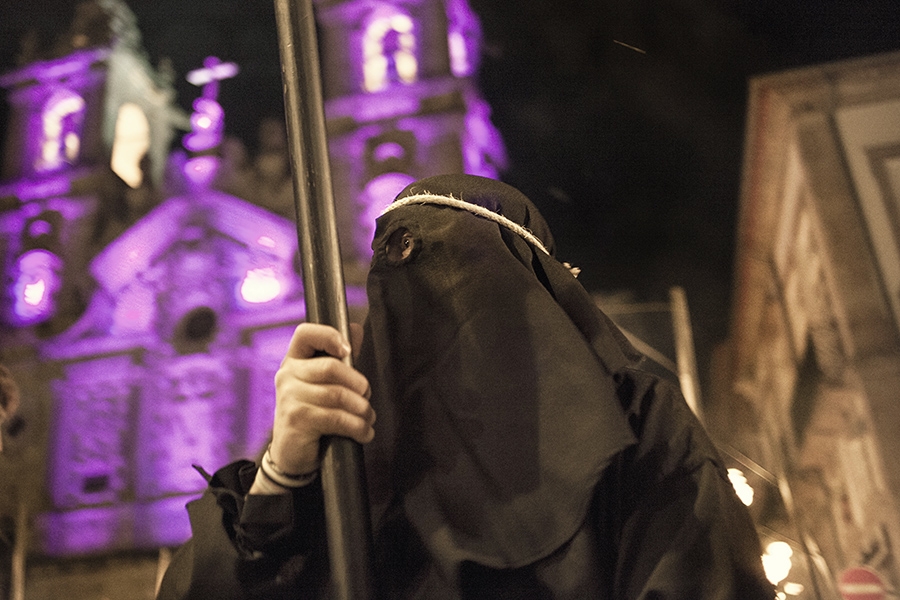
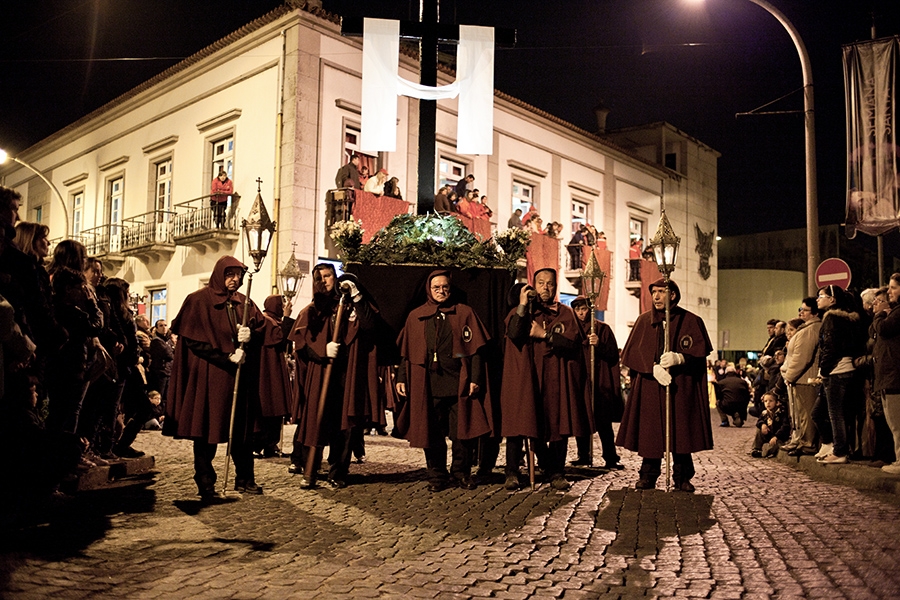
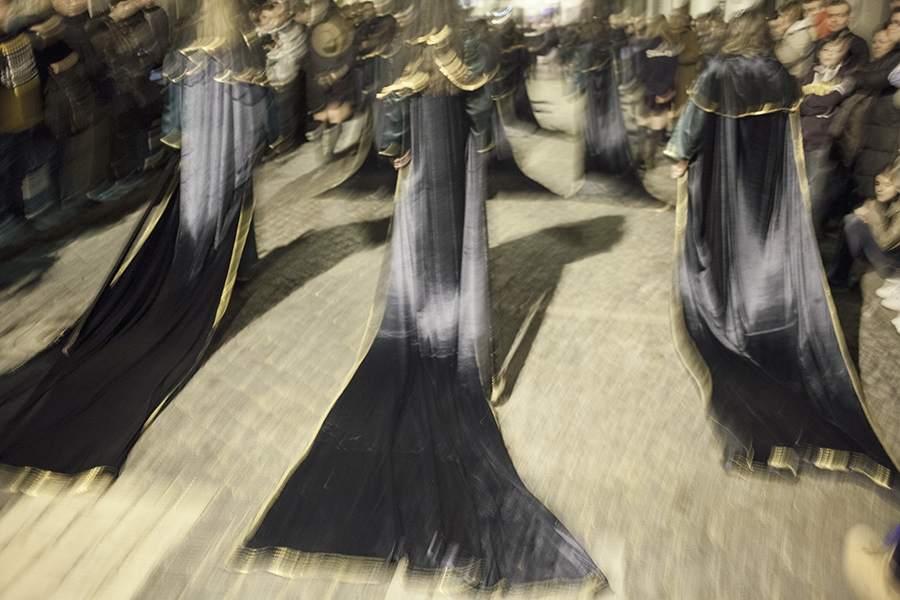
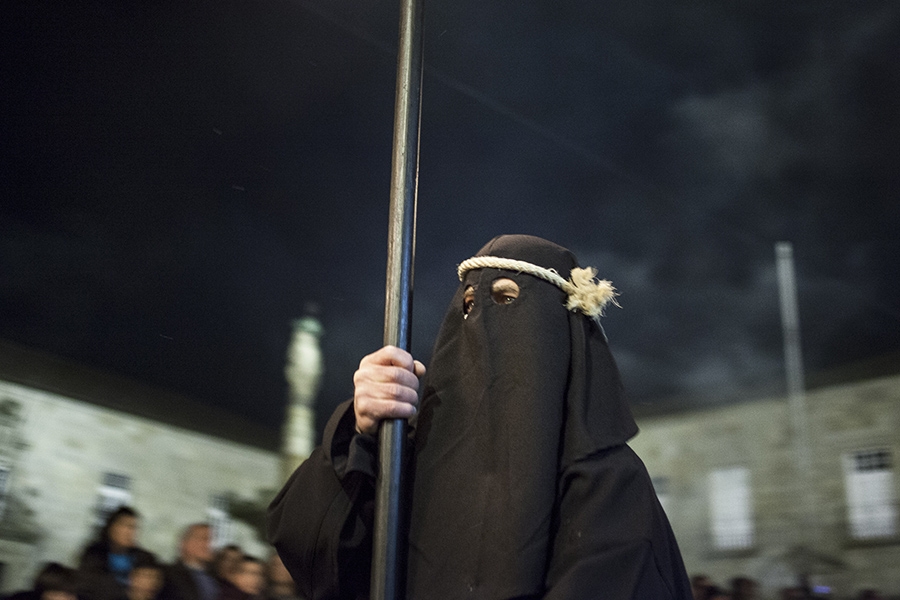
  • Semana SantaHoly Week in Bragaby Tom Szustek

    Semana Santa

    Holy Week in Braga

    by Tom Szustek

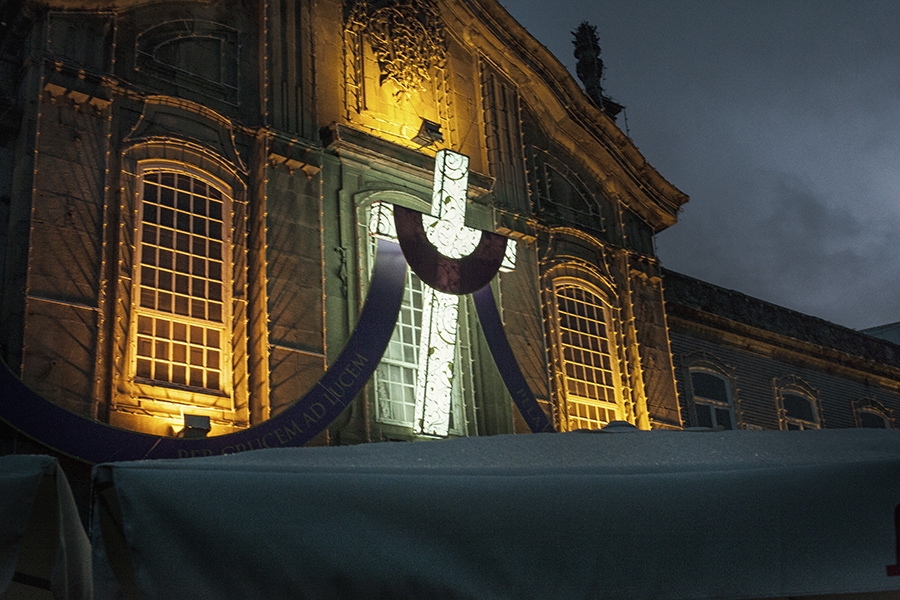
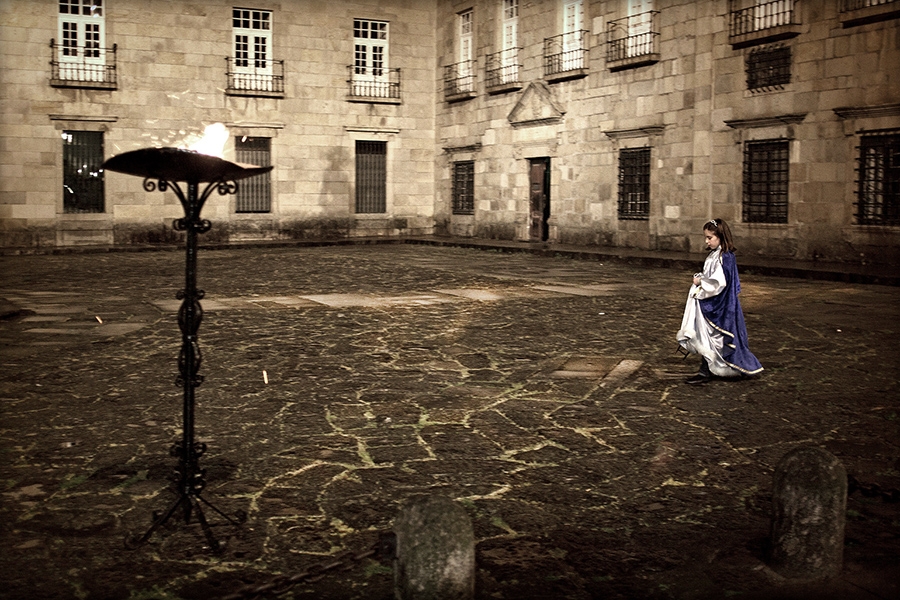
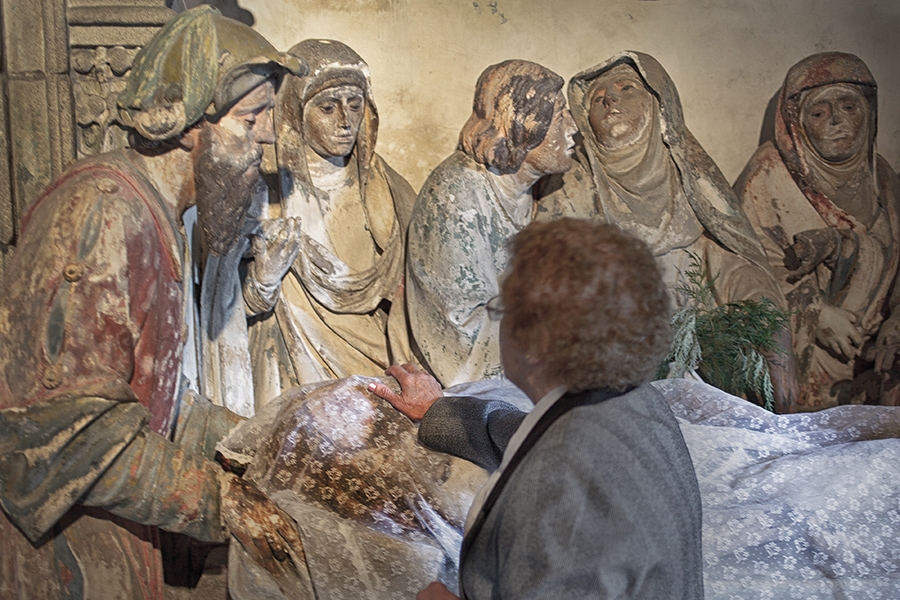
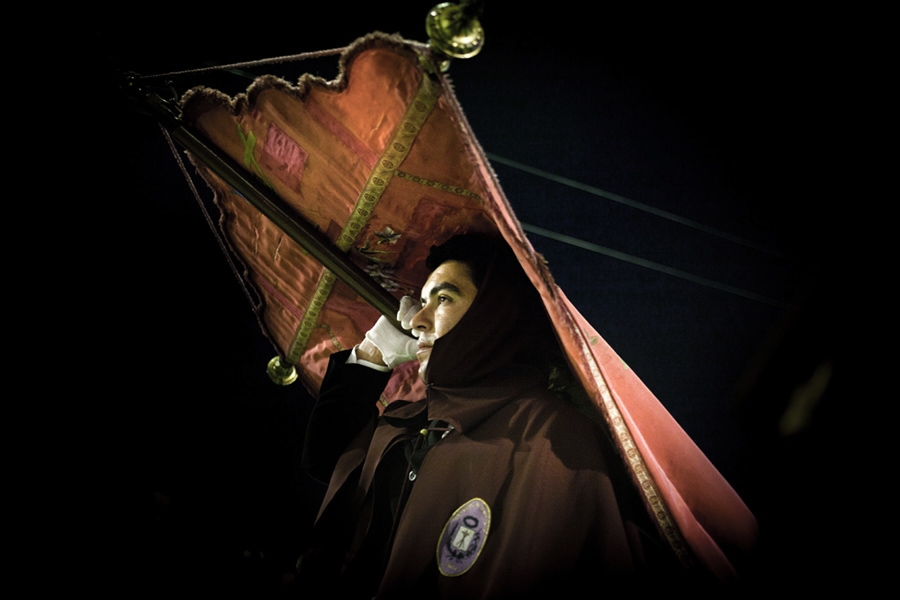
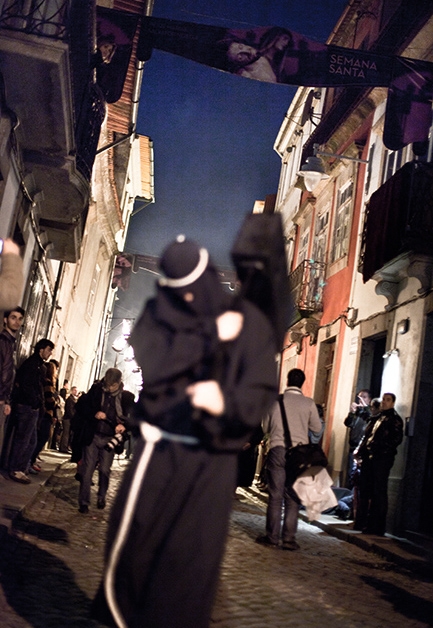
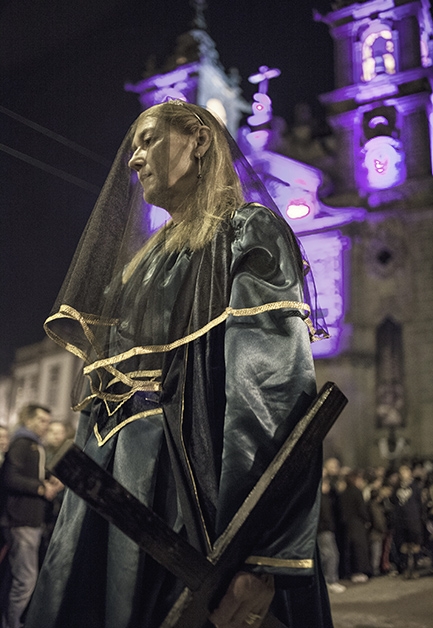
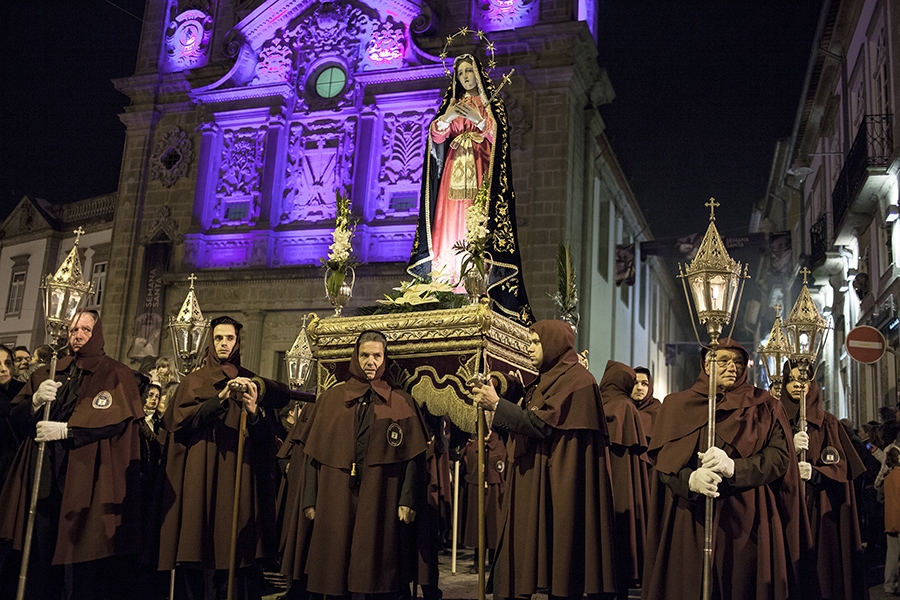
    Celebrations of the Holy Week (Semana Santa) in Braga, north Portugal have a long tradition rooted in medieval times.

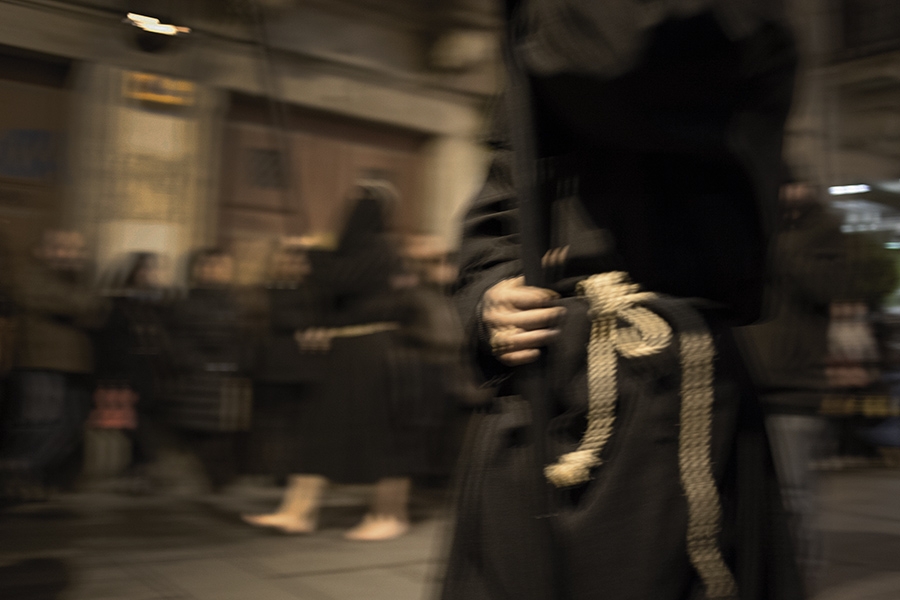
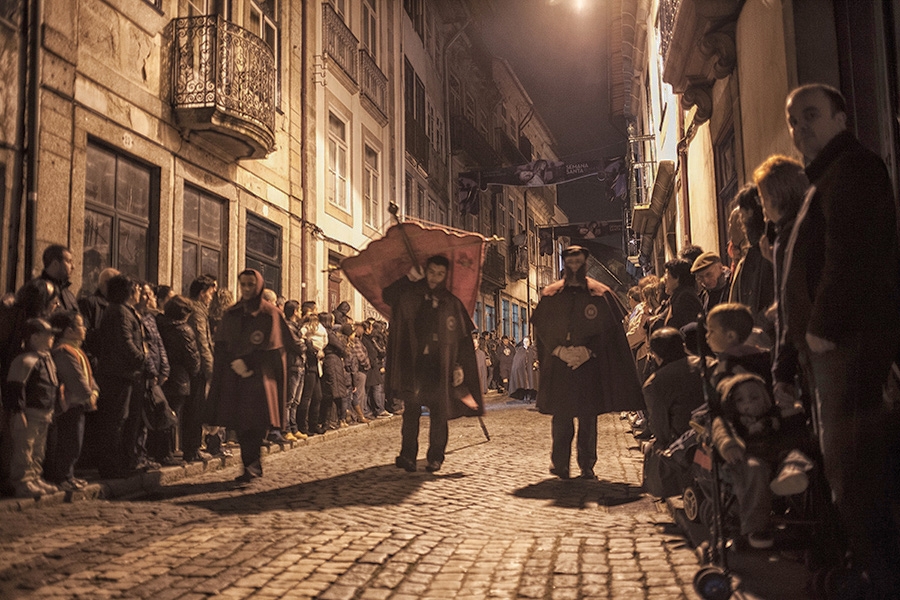
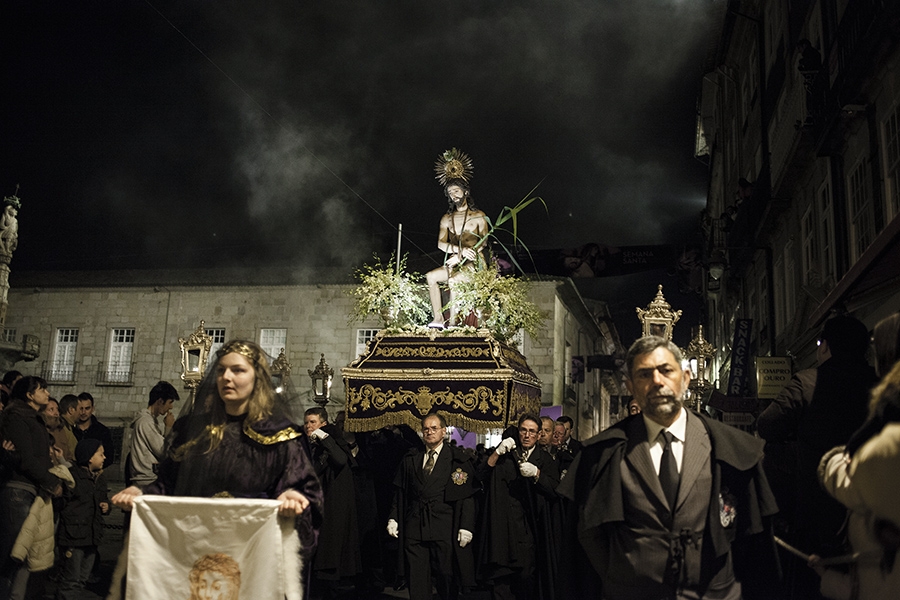
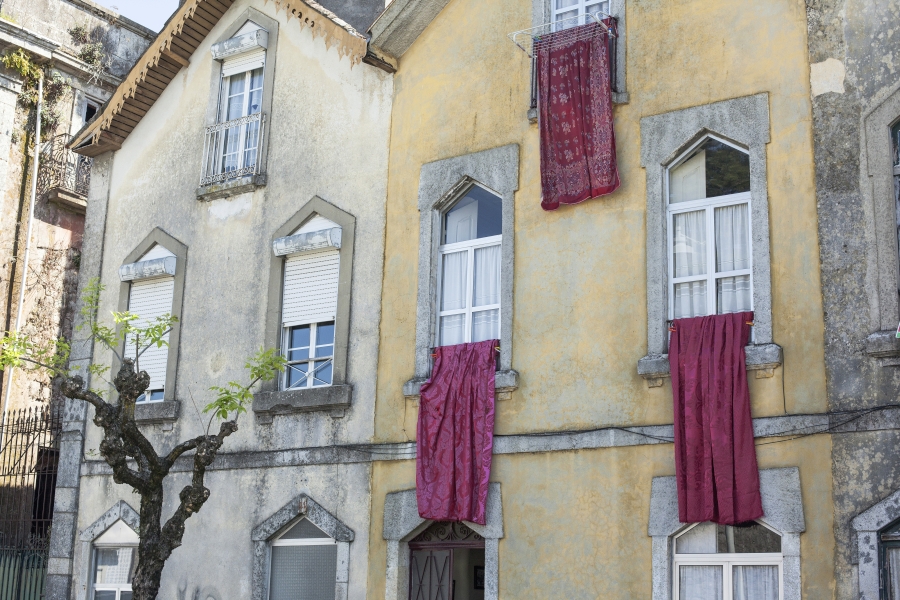
    Among many events, the most famous is Ecce Homo Procession. Organized by the Brotherhood of the Misericordia, re-enacts the trial of Jesus. The procession is led by a group of barefooted, hooded “farricocos”- representing the guards who arrested Jesus. The colourfully decorated streets are lined with spectators.

    Procession of Our Lord’s Funeral is held on Good Friday evening. The coffin is carried across the narrow streets of the town accompanied by the members of church-run organisations.

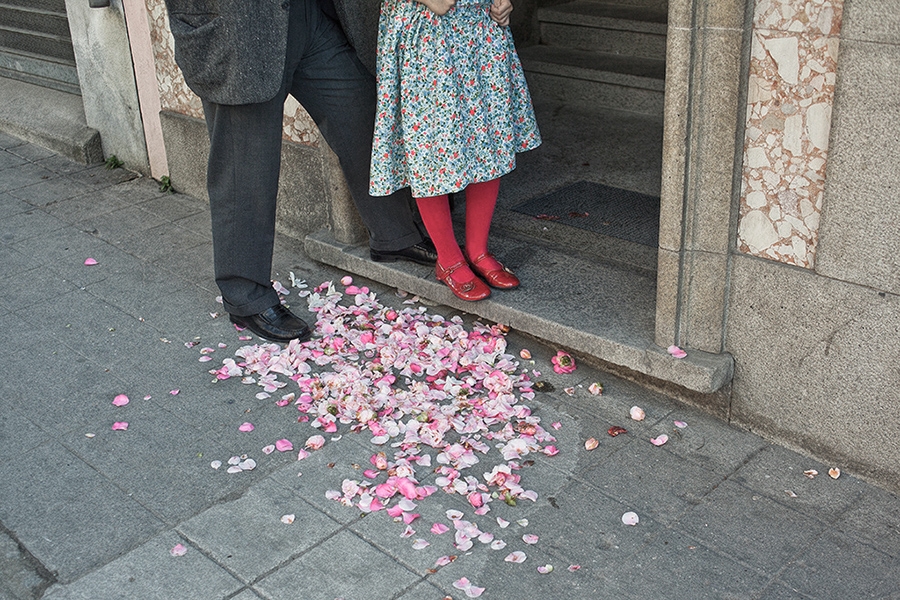
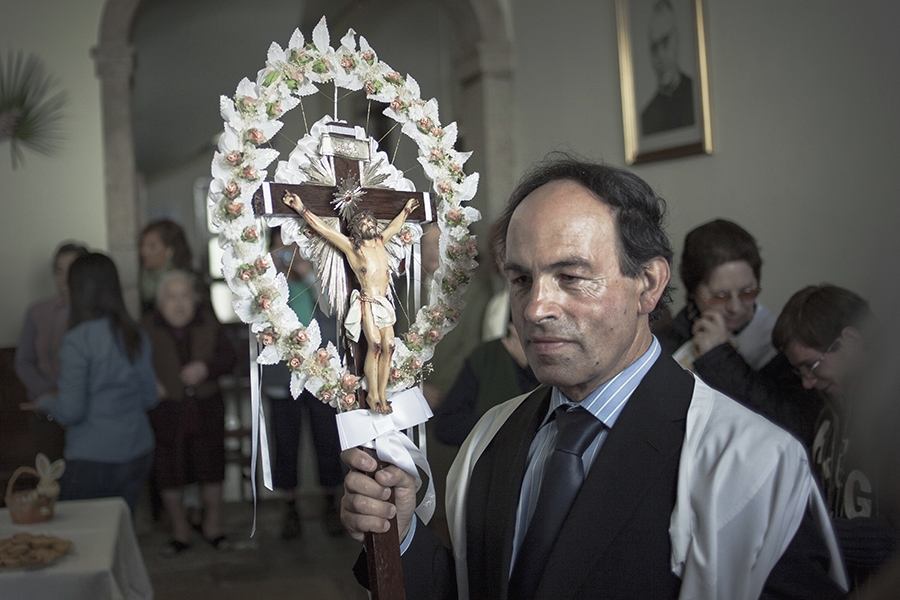
    On Easter Sunday morning, when churches’ bells together with fireworks sound through the air, the people of Braga adorn their homes’ thresholds with flower carpets. This is a sign of invitation for groups of “Compasso”- locals walking along the streets with a cross, visiting homes and announcing all the Resurrection of Christ.

  • Untitled post 1410

    by  Tomasz Bereska

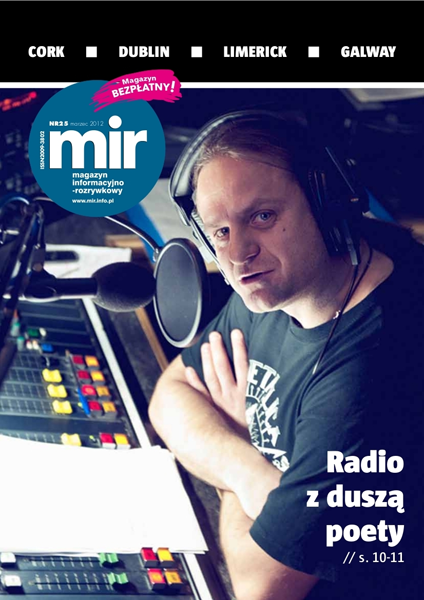
    Published in MIR, Polish community in Ireland  magazine, Ireland

    March 2012